Sub-Total: $0.00
Botanical Description
Explore our calendar of upcoming events, plant walks, and medicine-making classes.
TCM Perspective
Explore our calendar of upcoming events, plant walks, and medicine-making classes.
Ayurvedic Perspective
Explore our calendar of upcoming events, plant walks, and medicine-making classes.
Spiritual Associations
Explore our calendar of upcoming events, plant walks, and medicine-making classes.
Preparations
Explore our calendar of upcoming events, plant walks, and medicine-making classes.
Cautions
Explore our calendar of upcoming events, plant walks, and medicine-making classes.
Fun Facts
Explore our calendar of upcoming events, plant walks, and medicine-making classes.
Sacred Rituals
Explore our calendar of upcoming events, plant walks, and medicine-making classes.
Affirmations
Explore our calendar of upcoming events, plant walks, and medicine-making classes.
Known Chemical Constituents
Explore our calendar of upcoming events, plant walks, and medicine-making classes.
Chakra Associations
Explore our calendar of upcoming events, plant walks, and medicine-making classes.

Products containing Ingredient Template
Discover our collection of artisanal salves for holistic healing.
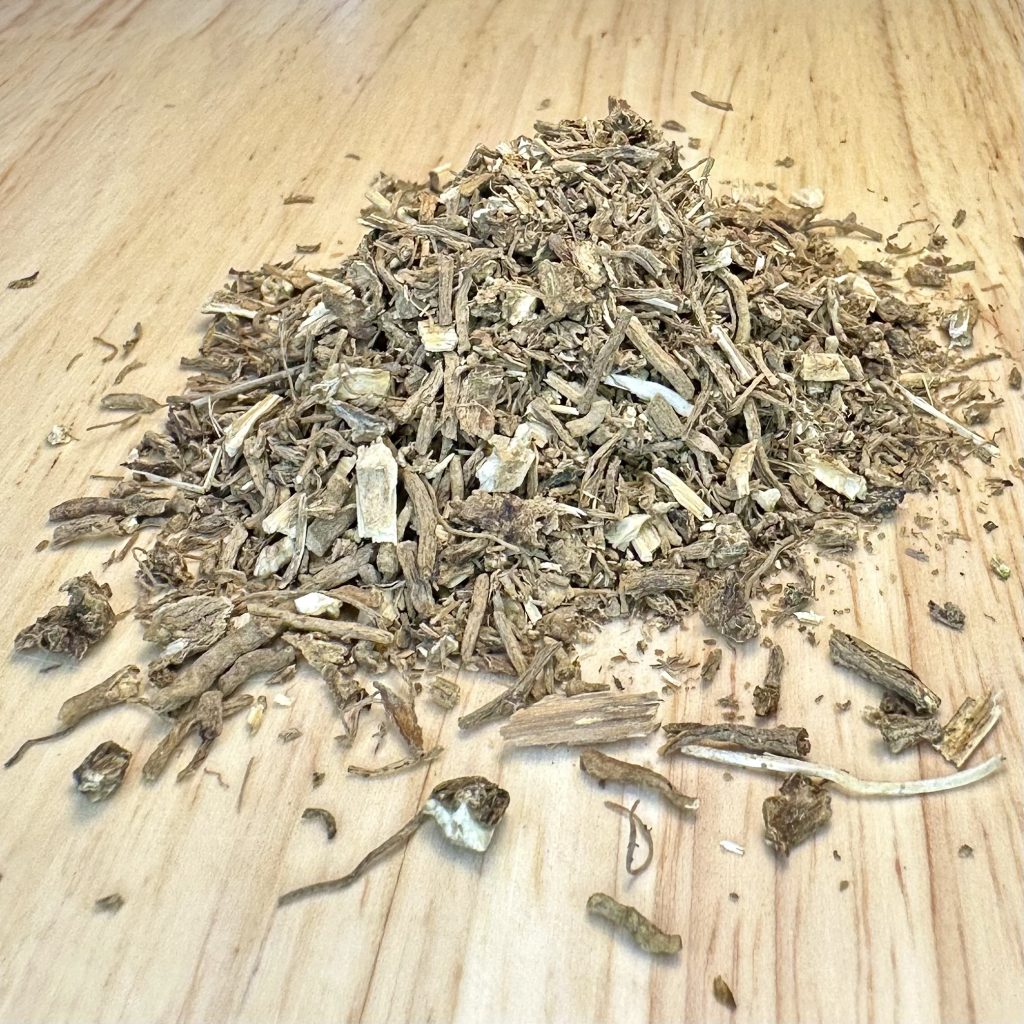
Valerian Root (Valeriana officinalis)
Historical Uses:
Valeriana officinalis has been used since ancient Greece and Rome as a nervine tonic, where it was prescribed for anxiety, insomnia, and nervous disorders. In medieval Europe, it was often called “All-Heal” for its versatile uses in treating wounds, pain, and restlessness. Valeriana sitchensis, on the other hand, was traditionally used by indigenous peoples of the Pacific Northwest for calming the mind, treating fevers, and enhancing dreams during spiritual rituals.
Current Uses:
- Valeriana officinalis: Widely used as a powerful sleep aid, this species is known for addressing insomnia, restlessness, and anxiety. Its fast-acting effects make it a favorite in herbal sleep and anxiety formulas.
- Valeriana sitchensis: A more gentle alternative, often used for mild anxiety, tension headaches, and to soothe the nervous system without the stronger sedative effects of V. officinalis. It is also valued in spiritual practices for its ability to enhance dreamwork and support emotional clarity.
Want to learn more? Visit our Materia Medica section and search for this herb to explore its history, uses, energetics, and more.
$7.85
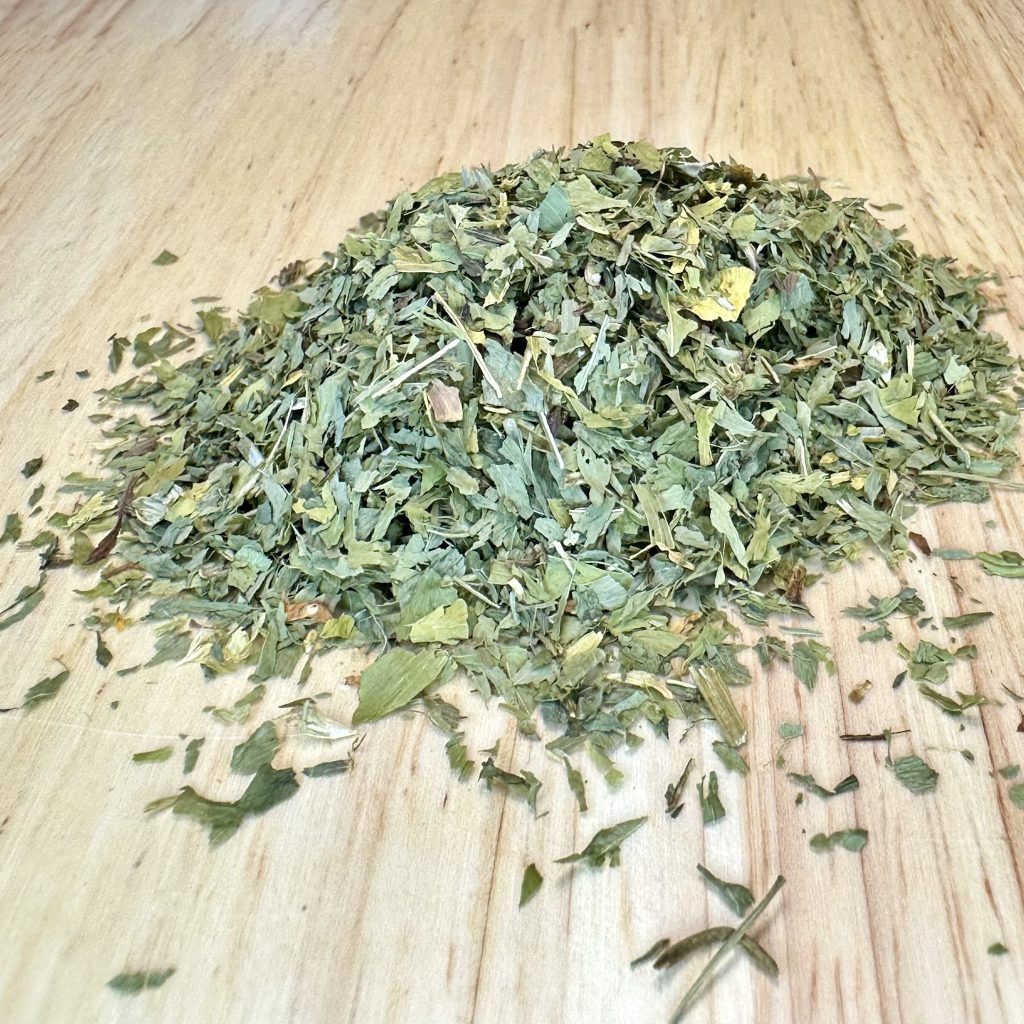
Red Clover (Trifolium pretense)
Historical Use:
Red clover has long been regarded in European and folk herbal traditions as a “blood purifier” and lymphatic tonic. Herbalists used the blossoms as an alterative to support the body’s natural detoxification processes, promote clearer skin, and ease stubborn, lingering congestion. The plant was also valued as a gentle expectorant to relieve coughs and bronchial irritation. Topically, poultices made from red clover were used to soothe rashes, eczema, and wounds.
Current Uses:
Today, red clover is most widely recognized for its phytoestrogenic properties. Isoflavones found in the blossoms have been studied for their ability to modulate estrogen activity, making red clover a common choice for easing menopausal symptoms such as hot flashes, night sweats, and mood swings.
Red clover also remains an important herb for lymphatic and “blood-cleansing” support in contemporary herbalism, used to promote healthy skin and gentle detoxification. It is sometimes included in formulations for chronic skin conditions, sluggish lymphatic flow, or recovery from long illness.
In cardiovascular health, red clover’s isoflavones have shown potential for improving vascular elasticity and supporting healthy lipid profiles, though research is mixed. Some practitioners also recommend red clover extracts for supporting bone density in postmenopausal women.
Respiratory uses continue today, with red clover being taken as a tea or syrup to support cough relief and promote the expectoration of mucus. Topically, it is used in salves, washes, and poultices to calm inflammatory skin conditions and support wound healing.
Learn More:
Want to explore more about energetics, history and more? Visit our Materia Medica section and search for this herb to deepen your understanding.
$4.15
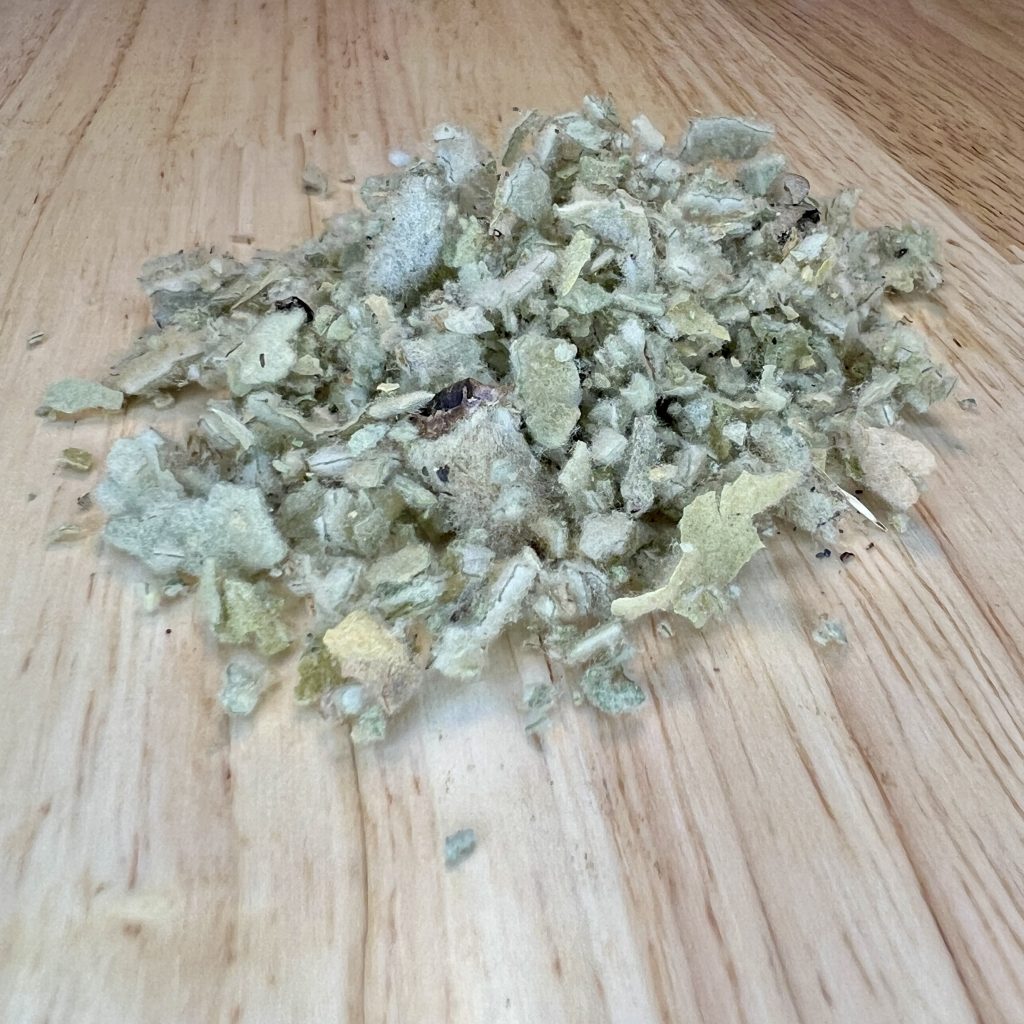
Mullein Leaf (Verbascum thapsus)
Historical Use:
Mullein has a long history of use in European folk medicine and among many Native American nations as a soothing herb for the lungs. The leaves and flowers were commonly brewed as a tea or smoked to ease coughs, bronchitis, and asthma. The plant’s soft, velvety leaves were applied as poultices to calm inflammation and promote healing of burns, wounds, and skin irritations. Mullein flowers were traditionally infused into oil to relieve earaches and reduce pain and swelling in the ear.
Current Uses:
Mullein remains a popular respiratory remedy. Its expectorant and demulcent properties help thin and move mucus, making coughs more productive and easing breathing during colds, bronchitis, and other congestive conditions. Teas, tinctures, and syrups are frequently used to soothe sore throats and support overall lung health.
Externally, mullein is applied in infused oils, poultices, and compresses to calm irritation, reduce inflammation, and assist with wound healing. Mullein flower oil continues to be a staple in ear drop preparations to ease ear discomfort and support a healthy inflammatory response.
Beyond respiratory and topical uses, mullein is sometimes used to soothe irritated mucous membranes in the digestive tract and gently support elimination when there is dryness or inflammation.
Learn More:
Want to explore more about energetics, history and more? Visit our Materia Medica section and search for this herb to deepen your understanding.
$4.05
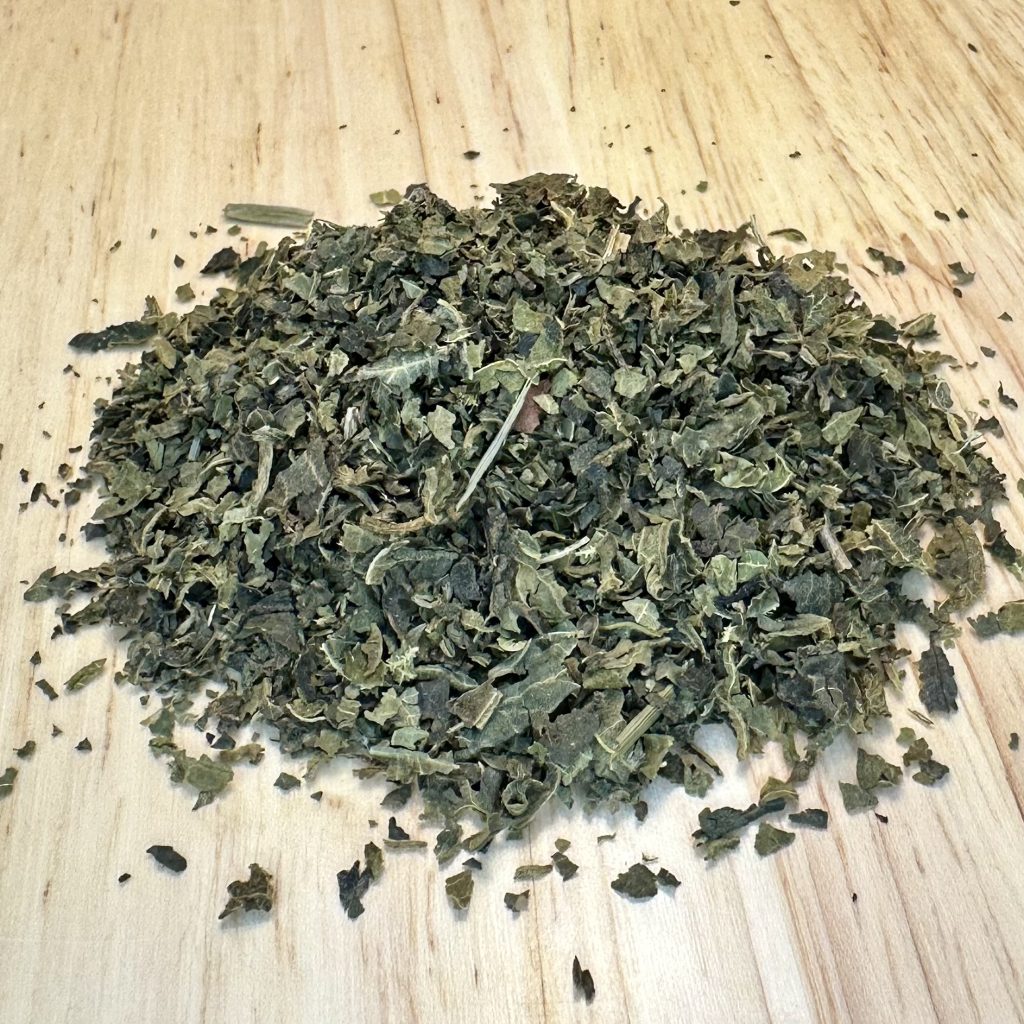
Nettle Leaf (Urtica dioica)
Our sourcing partners uphold fair wages, safe working conditions, and inclusive practices that value the hands and hearts behind each harvest.
Every bag supports small-scale regenerative growers and the renewal of our soil, communities, and connection to the earth.
Nettle has a long tradition of use across Europe and Asia as a strengthening spring tonic, valued for its ability to “cleanse the blood” and restore vitality after the winter months. Fresh nettles were sometimes used for urtication — intentionally brushed on the skin — to stimulate circulation and relieve joint pain or stiffness.
Current Uses:
Nettle leaf is now widely recognized as a nutrient-rich herb, abundant in vitamins A, C, K, and minerals such as calcium, magnesium, and iron. The leaf is taken as tea, infusion, or food to replenish nutrients, support general health, and gently build strength. Its anti-inflammatory actions make it a key ally for easing arthritis, joint pain, and muscle soreness. Many herbalists recommend nettle leaf for reducing seasonal allergies and supporting clear, healthy breathing, likely due to its influence on histamine pathways.
Nettle leaf is also used to encourage healthy kidney and urinary function and is considered mildly diuretic, supporting the removal of excess fluids. Externally and internally, nettle leaf has been used to support healthy skin and hair, helping reduce dandruff, strengthen hair, and soothe skin conditions such as eczema.
Nettle root is distinct in its action, most notably used to support urinary flow and prostate health in cases of benign prostatic hyperplasia (BPH). It is also considered mildly astringent and has been traditionally used to address excessive bleeding.
Nettle seed is prized as a nutritive tonic, rich in fatty acids and micronutrients. Contemporary herbalists use nettle seed as a rejuvenative herb, sometimes referred to as an adaptogen, to support energy, endurance, and overall vitality.
*To learn more about this plant’s traditional and modern uses, energetics, and potential contraindications, visit our Materia Medica section and search for this herb by name. There, you’ll find detailed notes on safe use and preparation methods.
$5.60