
Sub-Total: $0.00
Botanical Description
Explore our calendar of upcoming events, plant walks, and medicine-making classes.
TCM Perspective
Explore our calendar of upcoming events, plant walks, and medicine-making classes.
Ayurvedic Perspective
Explore our calendar of upcoming events, plant walks, and medicine-making classes.
Spiritual Associations
Explore our calendar of upcoming events, plant walks, and medicine-making classes.
Preparations
Explore our calendar of upcoming events, plant walks, and medicine-making classes.
Cautions
Explore our calendar of upcoming events, plant walks, and medicine-making classes.
Fun Facts
Explore our calendar of upcoming events, plant walks, and medicine-making classes.
Sacred Rituals
Explore our calendar of upcoming events, plant walks, and medicine-making classes.
Affirmations
Explore our calendar of upcoming events, plant walks, and medicine-making classes.
Known Chemical Constituents
Explore our calendar of upcoming events, plant walks, and medicine-making classes.
Chakra Associations
Explore our calendar of upcoming events, plant walks, and medicine-making classes.

Products containing Ingredient Template
Discover our collection of artisanal salves for holistic healing.
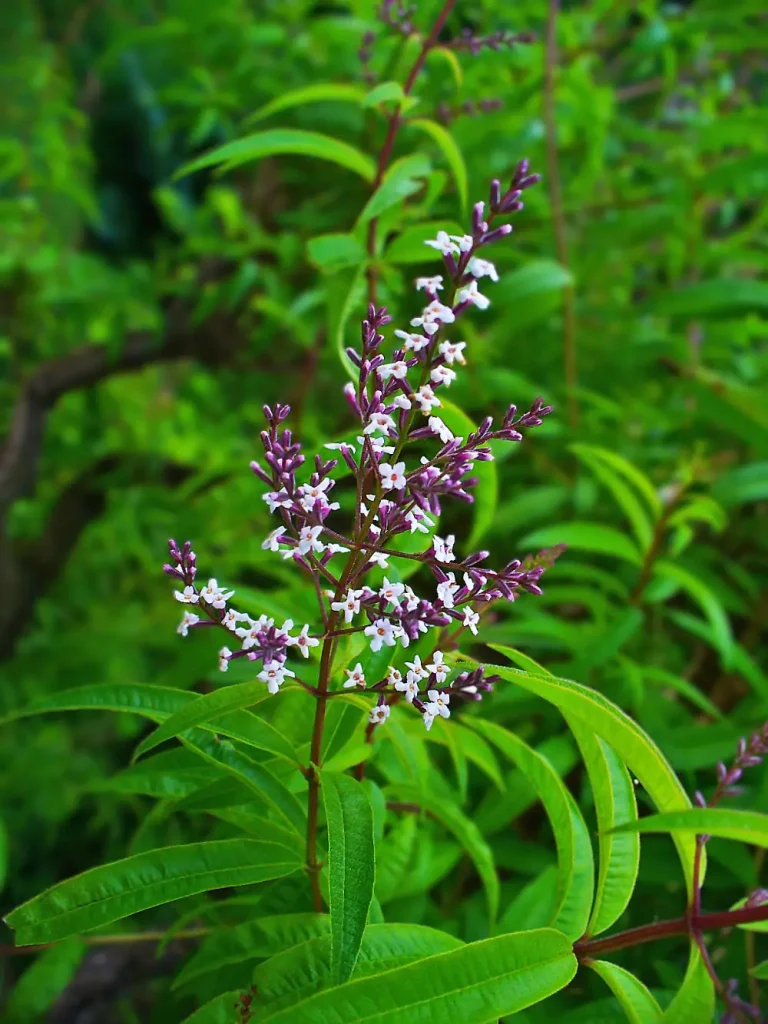
Lemon Verbena (Aloysia citriodera)
Traditional Uses
In South American folk medicine, Lemon Verbena was used to reduce fever, settle upset stomachs, and ease nervous tension. In European traditions, it became a prized tea herb for insomnia, melancholy, and digestive weakness.
Current Uses
-
Gentle sleep support for tension-related insomnia
-
Calming the mind during stress, anxiety, and overthinking
-
Digestive ally for bloating, gas, and sluggish digestion
-
Anti-inflammatory support for joint aches and mild pain
-
Pleasant culinary infusion in teas, syrups, and desserts
$4.25
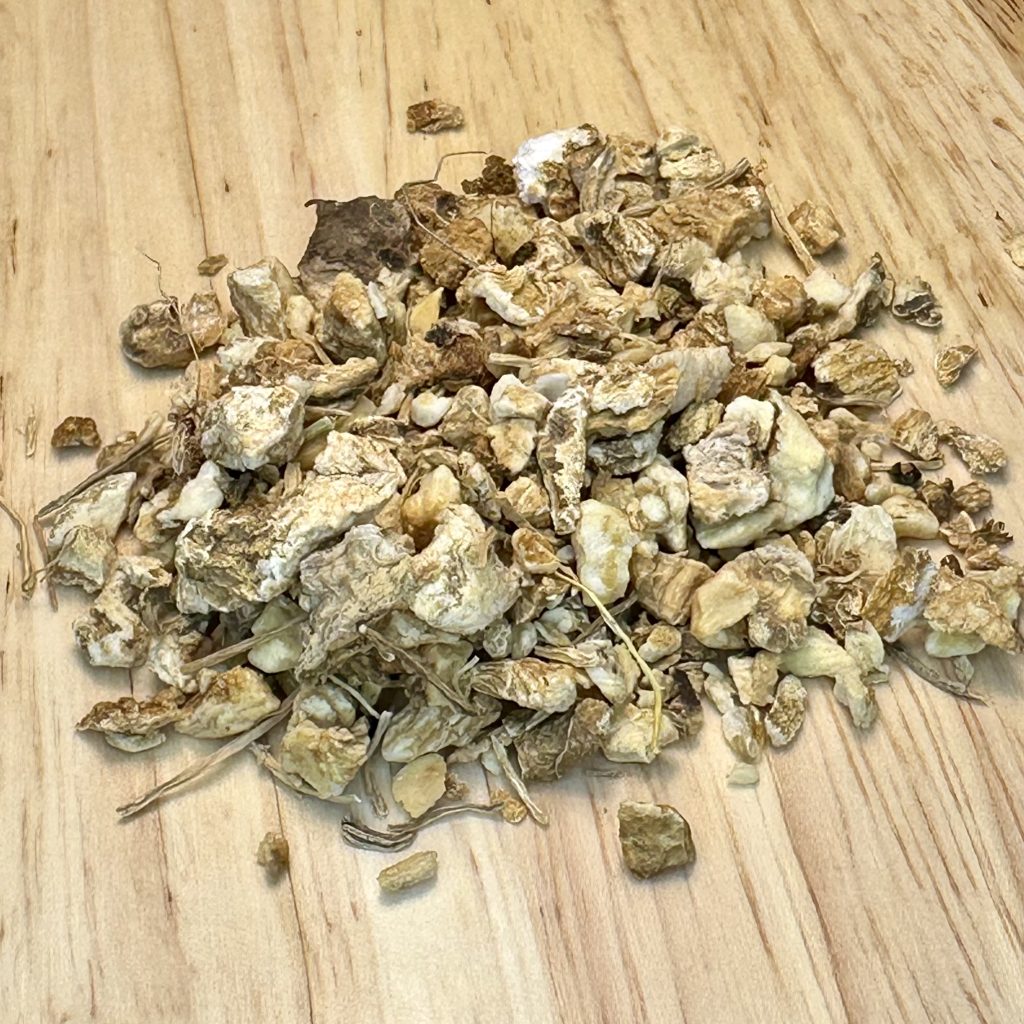
Soloman’s Seal Root (Polygonatum biflorum)
Traditional Uses
Solomon’s Seal has been used for centuries by various Indigenous peoples of North America as both food and medicine. The rhizomes are starchy and were used like potatoes in soups or breads; the young shoots sometimes eaten like asparagus.
In European herbalism, it was prized as a vulnerary for bruises and wounds, a tonic for weak or injured joints, bones, tendons, and as a cooling herb for lung, throat, and dry mucous membranes. In Chinese herbal tradition (though often using other Polygonatum species), it is considered yin-nourishing, moistening, tonifying of lungs, spleen, kidney, helping dryness, wasting, fatigue, and strengthening the sinews.
Current Uses
-
Support for joints, tendons, ligaments: sprains, strains, chronic joint pain, arthritis, tendonitis, bursitis.
-
As a demulcent in respiratory system: dry coughs, throat irritation, lung dryness.
-
Support for digestive tract mucous membranes: soothing irritated gut, mild gastritis, ulcerations.
-
Vulnerary / emollient uses topically: bruises, minor wounds, skin inflammations, hemorrhoids.
-
As a general restorative tonic: for convalescence, weakness after illness, bone healing.
-
For dry tissues / dryness complaints: vaginal dryness, dryness in mucous‐lined organs.
-
Possibly for mild hypoglycemic support (blood sugar regulation) in traditional contexts, though evidence is preliminary.
Learn More:
Want to explore more about energetics, history and more? Visit our Materia Medica section and search for this herb to deepen your understanding.
$13.60
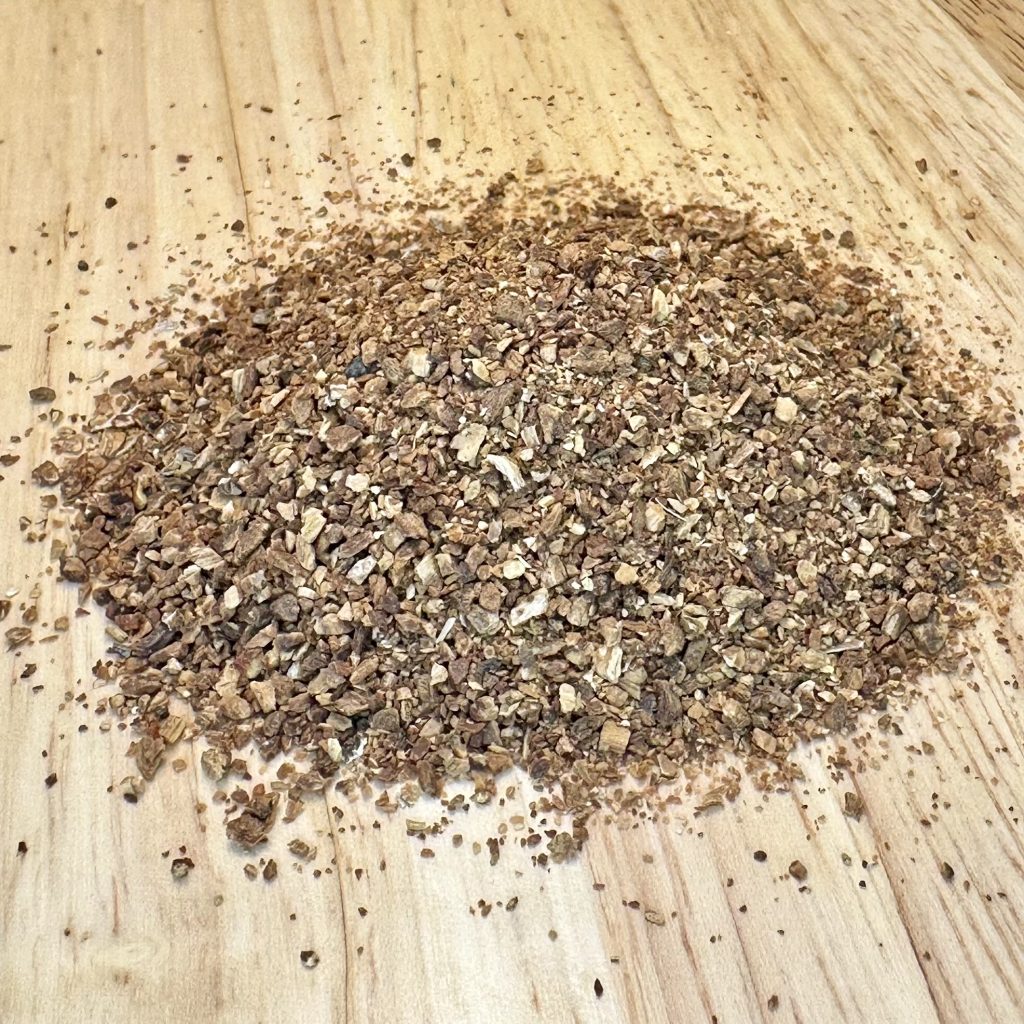
Dandelion Root roasted (Taraxacum officinale)
Traditional Uses:
In traditional European herbalism, dandelion root was roasted to create a coffee-like beverage that supported digestion and liver health without caffeine. This preparation mellowed the root’s bitterness and made it a pleasant daily tonic. The roasted root was valued for gently stimulating bile production, supporting the liver’s detoxification pathways, and helping the body process heavy or rich meals.
Current Uses:
Today, roasted dandelion root is often used as:
-
A coffee alternative — slightly bitter, nutty, and aromatic
-
A daily liver support tea, especially for those seeking to maintain healthy detoxification
-
A gentle digestive tonic before or after meals
-
An anti-inflammatory ally for the gut, with similar benefits to raw root
-
A nutritive beverage — still containing vitamins (A, C, K) and minerals such as potassium, iron, and calcium
Energetic Note:
Roasting slightly shifts the energetics, making the root warmer and more grounding, while preserving its liver and digestive affinity.
Learn More:
Want to explore more about dandelion’s energetics and history? Visit our Materia Medica section and search for this herb to deepen your understanding.
$4.25
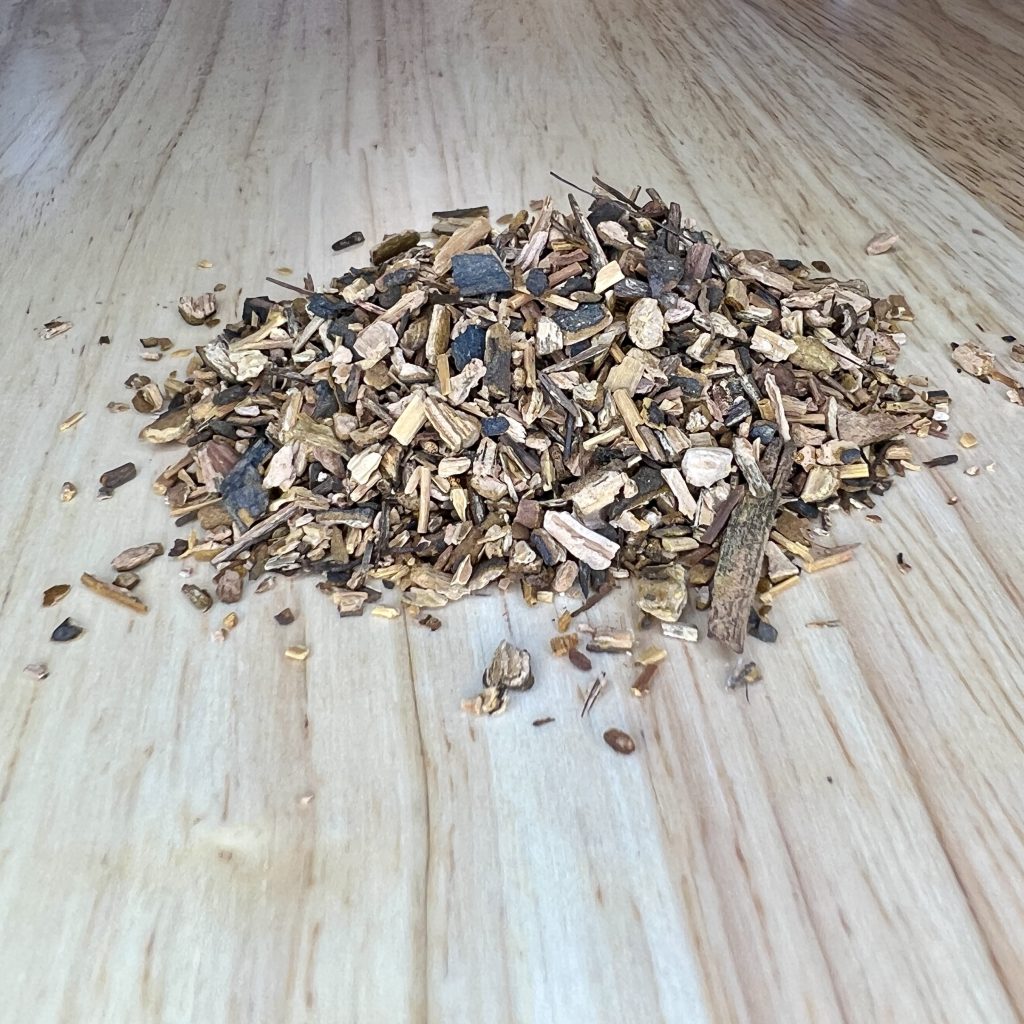
Sarsaparilla Root (Smilax medica)
Traditional Uses
Smilax, particularly sarsaparilla, has a long history in traditional medicine, especially in Central and South America, where it was used by indigenous people to purify the blood, treat venereal diseases, and support skin health. It was also used as a tonic to enhance strength and vitality, particularly for men’s health. Sarsaparilla made its way to Europe during the 16th century and became a popular remedy for treating syphilis and gout.
Current Uses
- Detoxification: Smilax is often used as a blood purifier, helping to detoxify the body and clear toxins from the bloodstream.
- Skin health: The herb is commonly used to address skin conditions like eczema, psoriasis, and acne, with its ability to reduce inflammation and clear toxins.
- Joint support: Smilax has anti-inflammatory properties, making it useful for arthritis and rheumatism by easing pain and swelling in the joints.
- Hormonal balance: Traditionally used to balance hormones, particularly in men, Smilax has been thought to boost testosterone levels and improve sexual health.
- Digestive health: The root has mild laxative properties and can stimulate digestion, helping to relieve constipation and digestive discomfort.
- Immune support: Rich in antioxidants and saponins, Smilax helps to boost the immune system and protect the body from infections.
Want to learn more? Visit our Materia Medica section and search for this herb to explore its history, uses, energetics, and more.
$6.05