
Sub-Total: $0.00
Botanical Description
Explore our calendar of upcoming events, plant walks, and medicine-making classes.
TCM Perspective
Explore our calendar of upcoming events, plant walks, and medicine-making classes.
Ayurvedic Perspective
Explore our calendar of upcoming events, plant walks, and medicine-making classes.
Spiritual Associations
Explore our calendar of upcoming events, plant walks, and medicine-making classes.
Preparations
Explore our calendar of upcoming events, plant walks, and medicine-making classes.
Cautions
Explore our calendar of upcoming events, plant walks, and medicine-making classes.
Fun Facts
Explore our calendar of upcoming events, plant walks, and medicine-making classes.
Sacred Rituals
Explore our calendar of upcoming events, plant walks, and medicine-making classes.
Affirmations
Explore our calendar of upcoming events, plant walks, and medicine-making classes.
Known Chemical Constituents
Explore our calendar of upcoming events, plant walks, and medicine-making classes.
Chakra Associations
Explore our calendar of upcoming events, plant walks, and medicine-making classes.

Products containing Ingredient Template
Discover our collection of artisanal salves for holistic healing.
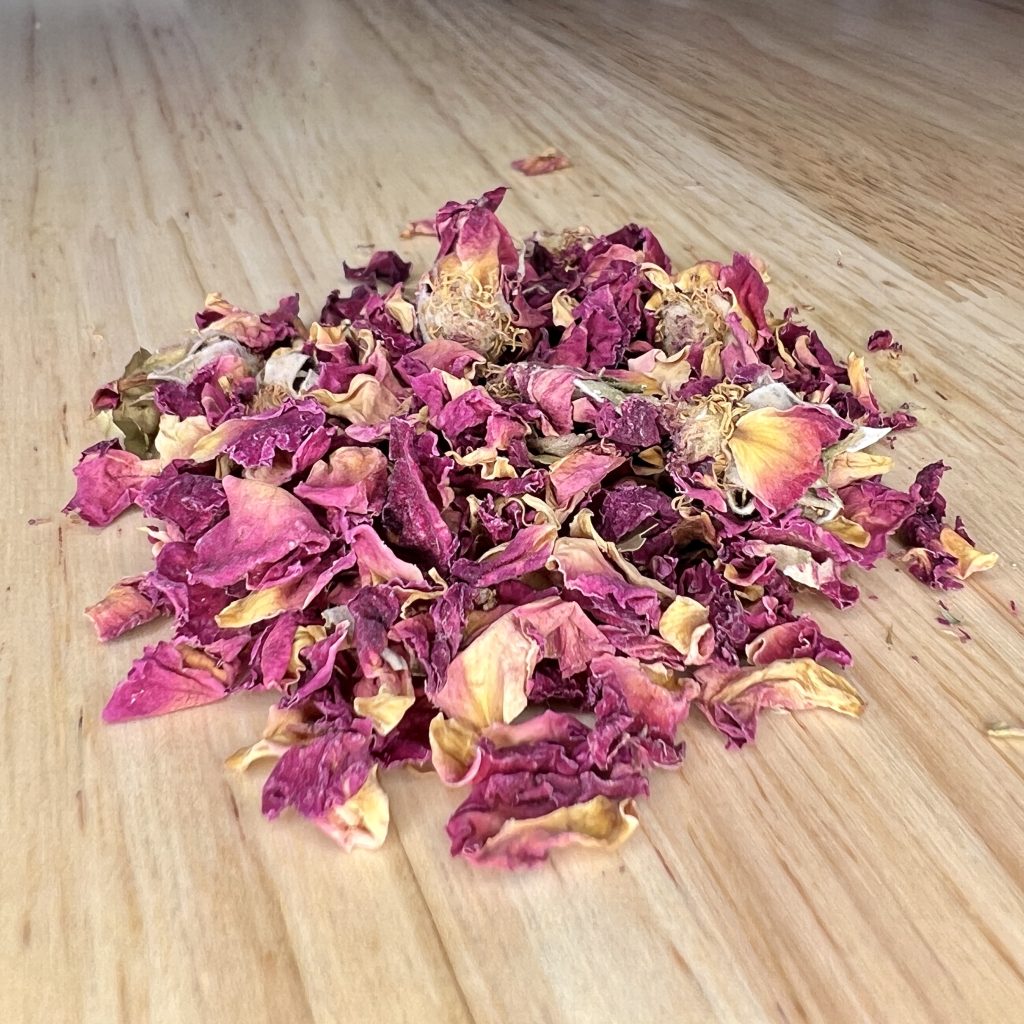
Rosebuds (Rosa centifolia)
Uses
Historical Uses:
Roses have been cherished since ancient times for their beauty, fragrance, and medicinal properties. The Persians and Romans used Rosa damascena and Rosa gallica for making rosewater and rose oil, which were applied to treat infections and skin conditions. Rosa gallica, known as the Apothecary’s Rose, was a staple in European medicinal gardens for its ability to support wound healing, menstrual health, and digestive issues. The rose hips from wild species like Rosa nutkana were highly valued by Native American tribes for their vitamin C content and used to treat colds, fevers, and digestive upset.
Current Uses:
- Emotional healing: Rose is used to soothe the heart, especially during times of grief, sadness, and emotional imbalance. Rose petals are commonly added to teas and baths for their calming effects.
- Skin care: The astringent and anti-inflammatory properties of rose petals and rosewater make them beneficial for irritated skin, rashes, and acne.
- Immune support: Rose hips are a potent source of vitamin C and antioxidants, commonly used to support immune function and help prevent colds and flu.
- Digestive aid: The astringent properties of Rosa spp. are helpful in relieving diarrhea and inflammation in the digestive tract.
- Menstrual health: Rose has been traditionally used to support menstrual health, helping to regulate menstrual flow and alleviate cramping.
Want to learn more? Visit our Materia Medica section and search for this herb to explore its history, uses, energetics, and more.
$7.15
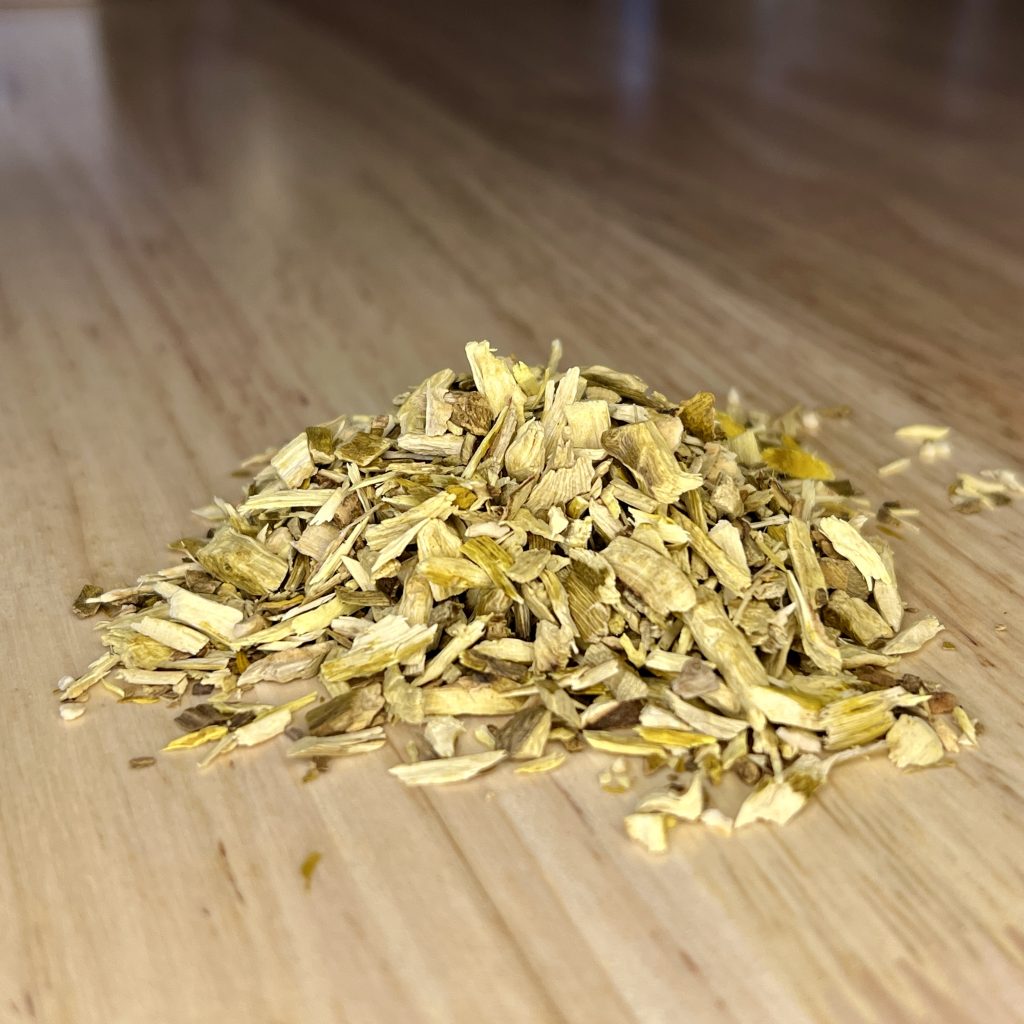
Oregon Grape Root (Berberis aquifolium)
Uses
Used by Native American tribes to treat skin conditions such as eczema, psoriasis, and acne.
Historically valued as a liver tonic and digestive bitter, helping to stimulate bile flow and detoxify the body.
Traditionally applied as a poultice for treating wounds and infections.
Current Uses:
-
- Known for its high berberine content, Berberis aquifolium is still used for treating skin disorders and improving overall skin health.
- Popular in herbal medicine as a liver detoxifier and immune booster.
- Frequently used to support digestive health, particularly in relieving bloating, indigestion, and liver congestion.
Want to learn more? Visit our Materia Medica section and search for this herb to explore its history, uses, energetics, and more.
$5.00
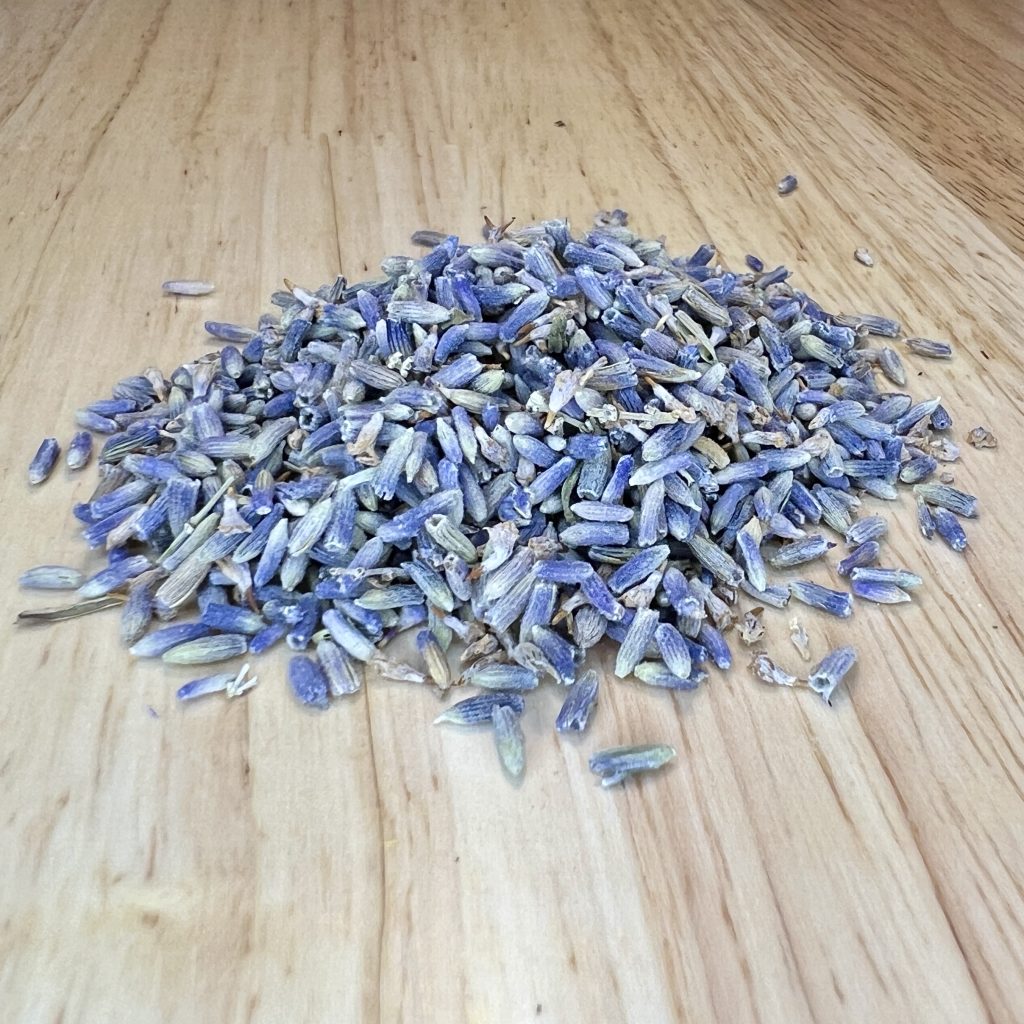
Lavender Flower (Lavandula angustufolia)
Our sourcing partners uphold fair wages, safe working conditions, and inclusive practices that value the hands and hearts behind each harvest.
Every bag supports small-scale regenerative growers and the renewal of our soil, communities, and connection to the earth.
Uses
Relaxation and Stress Relief: Lavandin has been used historically in herbal medicine and aromatherapy for its potent calming effects. The essential oil from Lavandin flowers is often used to promote relaxation, reduce anxiety, and soothe nervous tension.
Skin Healing and Burns: Lavandin has also been traditionally applied to burns, cuts, and insect bites to promote healing and reduce inflammation. Its antiseptic properties help prevent infections in minor wounds.
Repelling Insects: Historically, Lavandin has been used as a natural insect repellent, keeping away mosquitoes and moths due to its strong fragrance.
Current Uses:
Aromatherapy: Today, Lavandin is a staple in aromatherapy for its relaxing and soothing effects, used to ease stress, promote better sleep, and alleviate headaches.
Cosmetics and Skin Care: Lavandin essential oil is commonly found in soaps, lotions, and perfumes due to its antiseptic and anti-inflammatory properties. It is also used in skin care for its ability to improve the appearance of acne and soothe irritated skin.
Pain Relief: Modern herbalists recommend Lavandin for muscle aches and joint pain, often through massage oils or bath soaks to help relax muscle tension and provide pain relief.
*To learn more about this plant’s traditional and modern uses, energetics, and potential contraindications, visit our Materia Medica section and search for this herb by name. There, you’ll find detailed notes on safe use and preparation methods.
$12.20
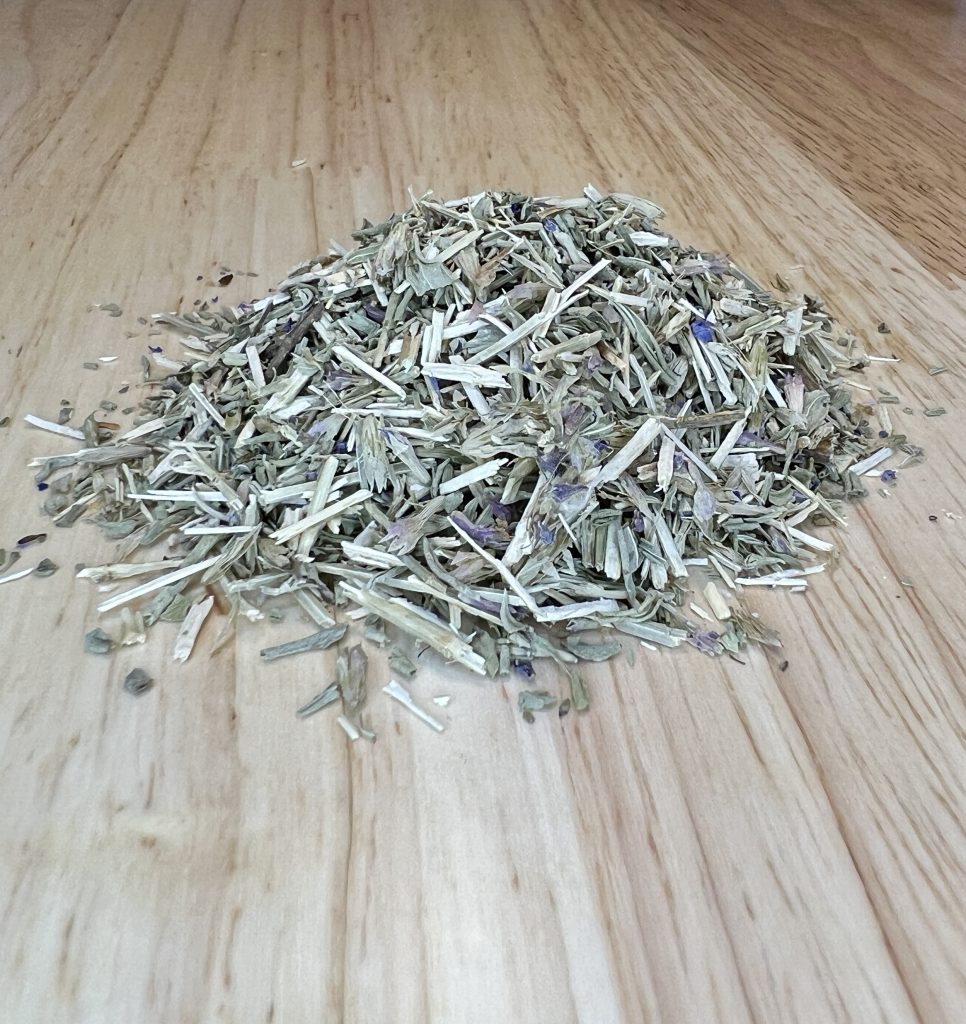
Hyssop (Hyssopus officinalis)
Traditional Uses
Used since ancient times for cleansing and protection, both physically and spiritually. In biblical texts, hyssop was mentioned as a purifying herb. In medieval European medicine, it was employed as a remedy for lung ailments and digestive support. Traditionally, hyssop was infused into teas or syrups to help break up mucus and ease coughs.
Current Uses
Hyssop is primarily used for respiratory support, acting as a mild expectorant that helps clear mucus from the lungs while also soothing dry, spasmodic coughs. It is considered a gentle children’s herb and can be safely used in mild teas or syrups to support respiratory health, particularly during colds and congestion. As an immune-supportive herb, hyssop contains antiviral properties that may help with mild infections, especially those affecting the lungs and sinuses.
It also plays a role in digestive health, traditionally used to relieve bloating, sluggish digestion, and mild indigestion. As a circulatory tonic, hyssop’s warming nature helps stimulate circulation and move stagnant energy in the body. Energetically, hyssop is regarded as uplifting and nervine, helping with emotional tension and mental fog.
Learn More:
Want to explore more about energetics, history and more? Visit our Materia Medica section and search for this herb to deepen your understanding.
$5.85