
Sub-Total: $0.00
Botanical Description
Explore our calendar of upcoming events, plant walks, and medicine-making classes.
TCM Perspective
Explore our calendar of upcoming events, plant walks, and medicine-making classes.
Ayurvedic Perspective
Explore our calendar of upcoming events, plant walks, and medicine-making classes.
Spiritual Associations
Explore our calendar of upcoming events, plant walks, and medicine-making classes.
Preparations
Explore our calendar of upcoming events, plant walks, and medicine-making classes.
Cautions
Explore our calendar of upcoming events, plant walks, and medicine-making classes.
Fun Facts
Explore our calendar of upcoming events, plant walks, and medicine-making classes.
Sacred Rituals
Explore our calendar of upcoming events, plant walks, and medicine-making classes.
Affirmations
Explore our calendar of upcoming events, plant walks, and medicine-making classes.
Known Chemical Constituents
Explore our calendar of upcoming events, plant walks, and medicine-making classes.
Chakra Associations
Explore our calendar of upcoming events, plant walks, and medicine-making classes.

Products containing Ingredient Template
Discover our collection of artisanal salves for holistic healing.
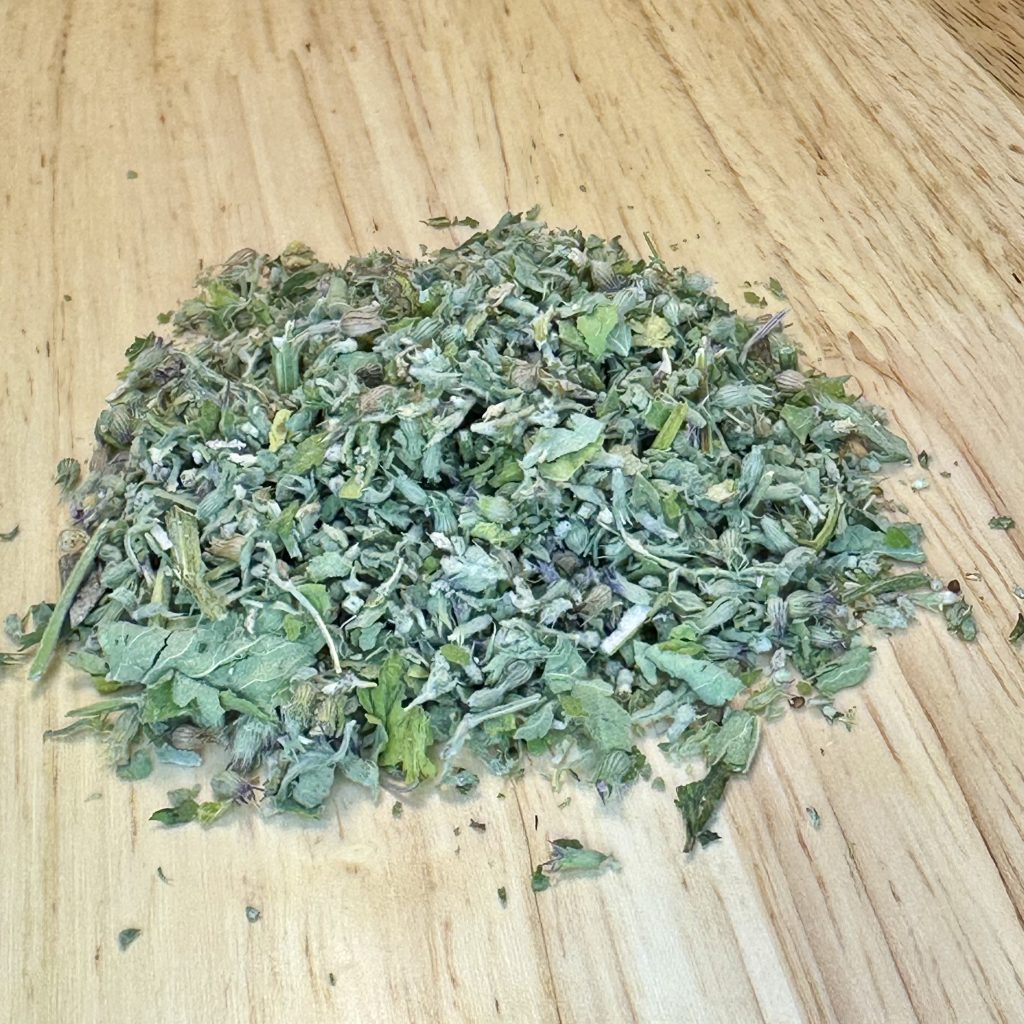
Catnip (Nepeta cataria)
Uses
Nervine and Sedative:
Catnip has been traditionally used as a mild sedative to calm the nervous system, making it useful for treating anxiety, nervous tension, and insomnia. Its gentle relaxing properties help alleviate restlessness and promote restful sleep without the grogginess associated with stronger sedatives.
Digestive Support:
Catnip is also well known for its use in treating digestive issues. It acts as a carminative and antispasmodic, making it effective for relieving indigestion, gas, cramping, and colic. Its ability to calm both the nervous system and the digestive system makes it a powerful herb for conditions where stress and digestive discomfort are intertwined.
Children’s Herb:
Because of its gentle nature, catnip is often used for children, particularly for treating colic, restlessness, fever, and teething discomfort. Its calming effects help to ease fussy behavior and soothe an upset stomach in infants and young children.
Menstrual Relief:
Catnip’s antispasmodic properties also make it helpful for menstrual cramps. Its ability to relax smooth muscle tissue eases the pain of cramping and discomfort associated with menstruation.
Cold and Flu Support:
Traditionally, catnip has been used to support the body during colds and fevers. It acts as a diaphoretic, promoting sweating to help break fevers, and can ease congestion and soothe the respiratory system during illness.
Want to learn more? Visit our Materia Medica section and search for this herb to explore its history, uses, energetics, and more.
$3.80
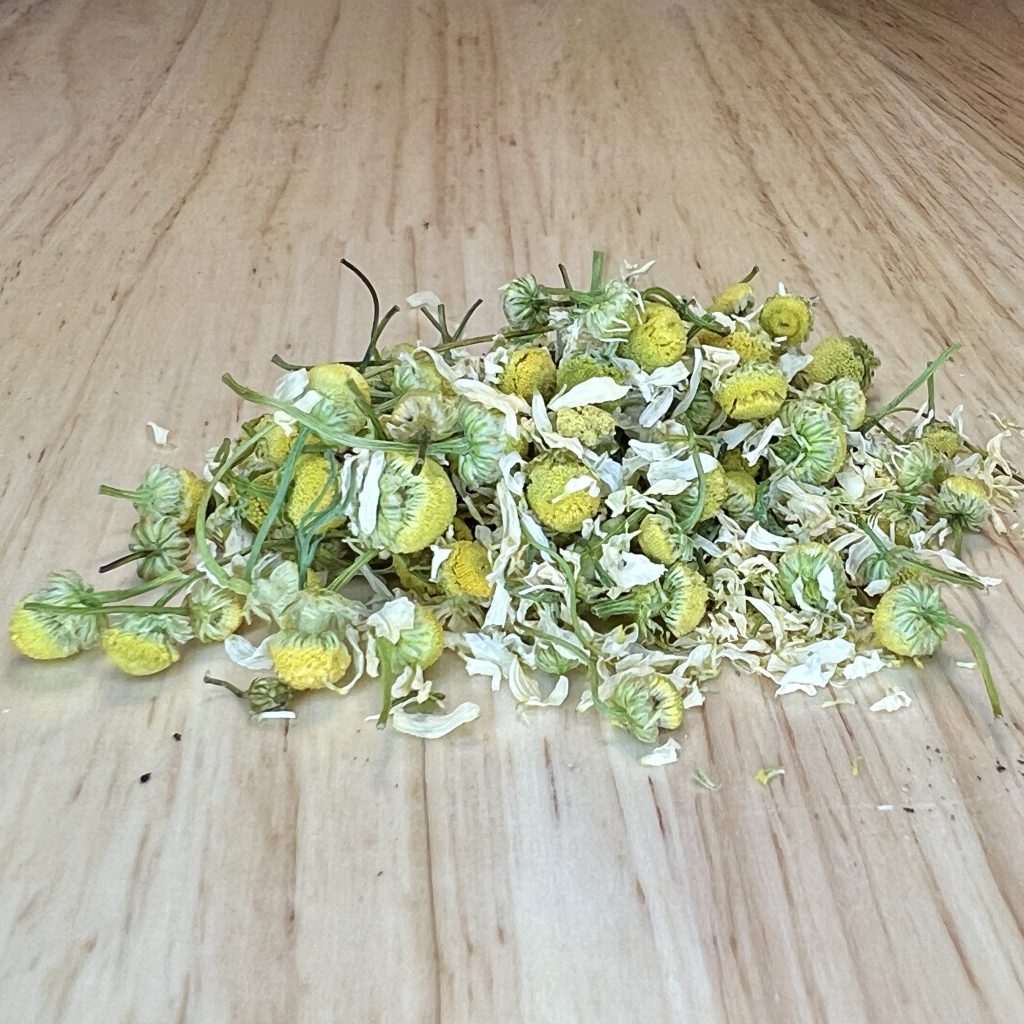
Chamomile (Matricaria recutita)
Uses
Digestive Aid:
German chamomile has been traditionally used to soothe indigestion, bloating, and gas. It acts as an anti-inflammatory and antispasmodic for the digestive tract, easing discomfort from irritable bowel syndrome (IBS), colic, and other digestive disorders.
Calming and Sleep Aid:
Chamomile is widely known for its calming effects on the nervous system, traditionally used to reduce anxiety, promote relaxation, and combat insomnia. Chamomile tea has been a common remedy for restlessness and is often used as a bedtime tea to encourage restful sleep.
Anti-Inflammatory and Pain Relief:
Historically, chamomile has been applied both internally and externally to reduce inflammation. It has been used to soothe menstrual cramps, muscle pain, and joint inflammation. Chamomile compresses and oils have been applied topically to reduce swelling and pain.
Skin Healing:
Chamomile has been applied externally for its wound-healing and antiseptic properties. It is used to treat eczema, rashes, minor burns, and other skin irritations. Chamomile has also been included in baths to soothe irritated skin and promote healing of wounds or inflamed tissues.
Cold and Respiratory Support:
Traditionally, chamomile has been used in steam inhalations to relieve respiratory issues, including congestion and coughs. Its anti-inflammatory properties make it effective in easing the discomfort of cold symptoms.
Want to learn more? Visit our Materia Medica section and search for this herb to explore its history, uses, energetics, and more.
$12.40
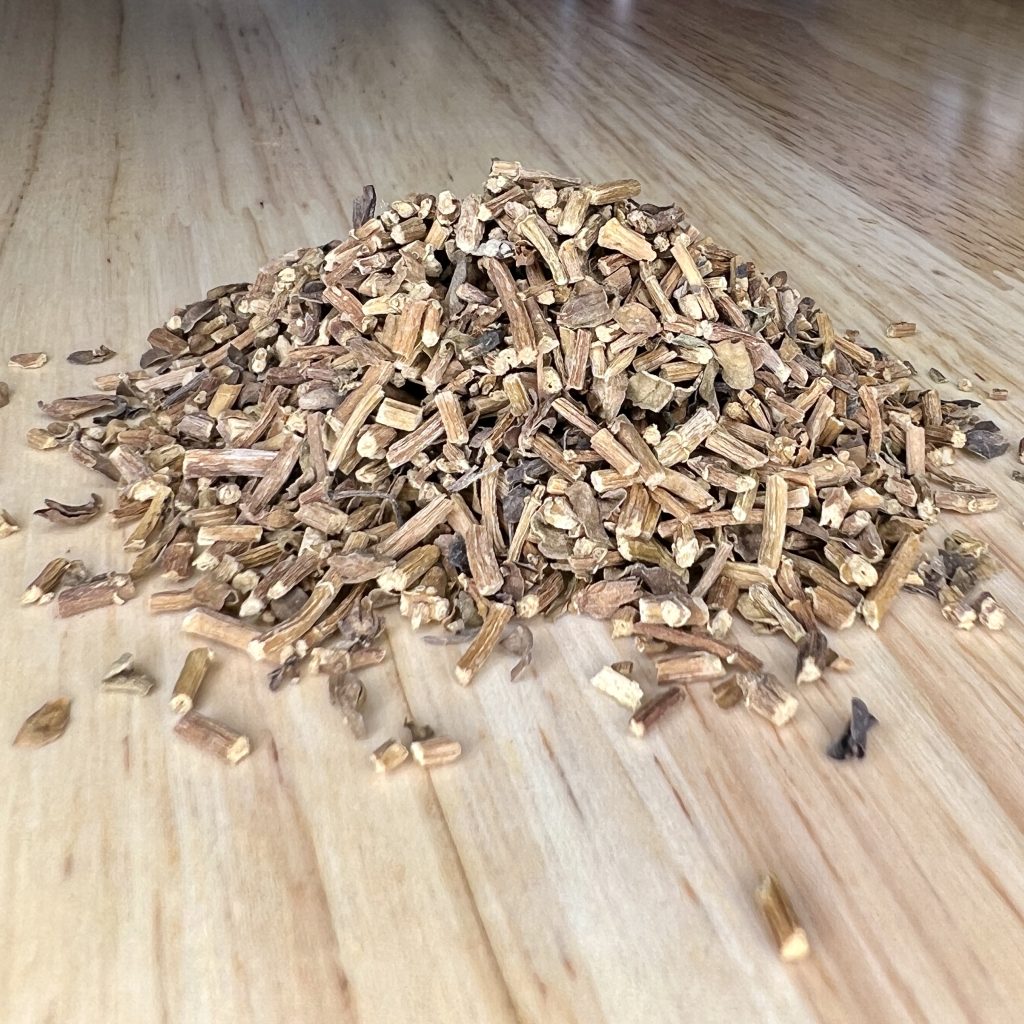
Bacopa / Brahmi (Bacopa monnieri)
Uses
Cognitive Enhancement:
Bacopa has been traditionally used in Ayurvedic medicine for centuries to enhance memory, learning, and concentration. It is known to improve mental clarity and reduce brain fog, making it a popular herb for supporting overall cognitive health and mental performance.
Anxiety and Stress Relief:
Bacopa is recognized as an adaptogen, meaning it helps the body manage stress. It has been used to reduce anxiety and mental fatigue, promoting emotional balance and a sense of calm. It is often used in combination with other calming herbs to support emotional well-being and nervous system health.
Neuroprotective:
Bacopa’s neuroprotective properties are attributed to its ability to reduce oxidative stress and support the regeneration of brain cells. It is traditionally used to prevent age-related cognitive decline, and some modern studies support its use for improving memory retention and synaptic function.
Epilepsy and Seizure Control:
In traditional use, Bacopa was administered to treat epilepsy and seizure disorders, as it was believed to help calm the nervous system. Its anticonvulsant properties were valued in ancient healing practices for supporting neurological balance.
Digestive Health:
Bacopa has been used to support digestive function by promoting healthy liver activity and detoxification. It helps relieve indigestion and bloating, especially when associated with stress or emotional tension.
Skin Health:
Topically, Bacopa was applied to heal wounds and skin conditions like eczema and psoriasis. Its anti-inflammatory and antimicrobial properties made it a useful remedy in traditional healing for skin irritations and injuries.
Want to learn more? Visit our Materia Medica section and search for this herb to explore its history, uses, energetics, and more.
$6.60
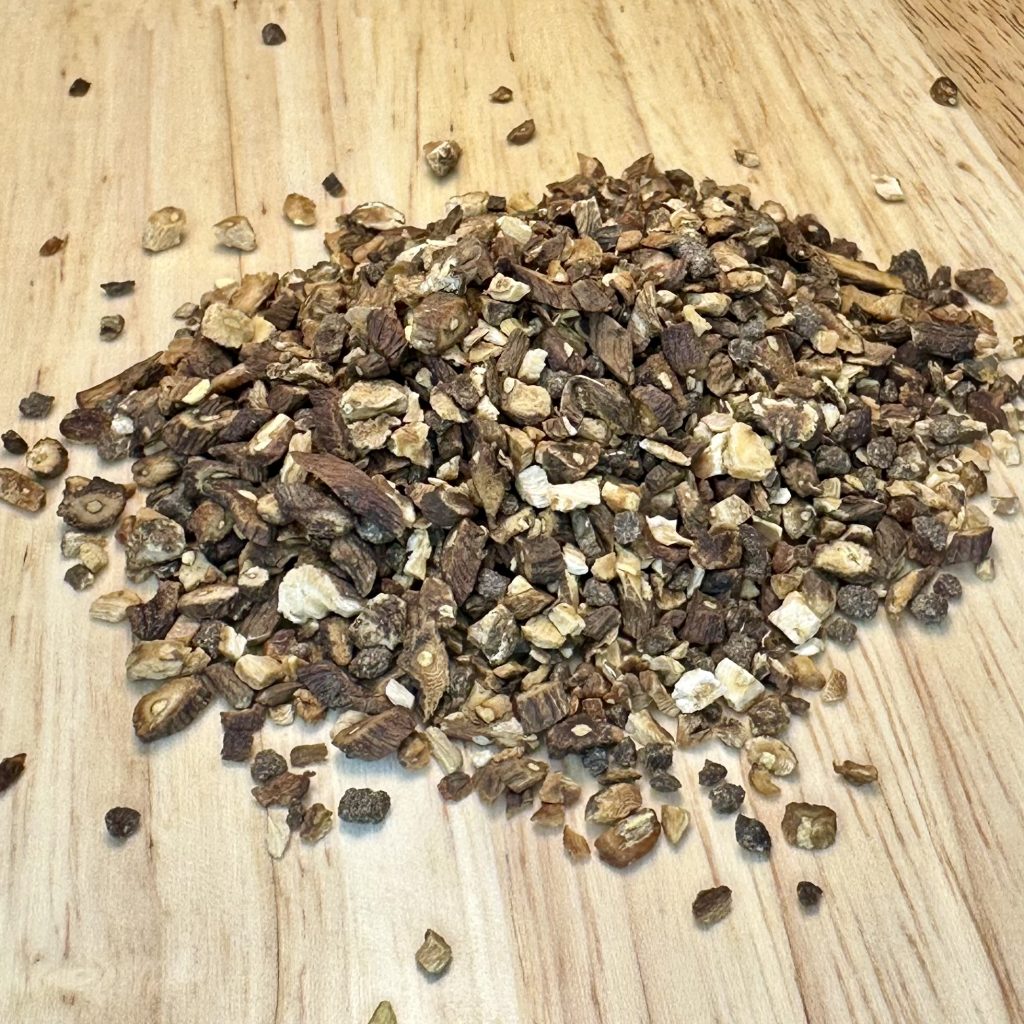
Dandelion Root raw (Taraxacum officinale)
Uses
Traditional Uses:
In traditional European herbalism, dandelion has long been revered as a liver tonic and digestive aid, with the root being used to stimulate bile production and support the liver in detoxification. The leaves were traditionally used as a diuretic to reduce fluid retention and support kidney function. Indigenous peoples in North America also utilized dandelion to address digestive issues, skin conditions, and general detoxification.
Current Uses:
Today, dandelion is commonly used in herbal medicine to:
- Support liver health and detoxification
- Improve digestion by increasing bile flow
- Act as a mild diuretic, aiding in the elimination of excess fluids
- Reduce inflammation in the digestive tract
- Provide nutrients such as vitamins A, C, K, and minerals like calcium, iron, and potassium
- Support immune function and skin health due to its anti-inflammatory and antioxidant properties
Want to learn more? Visit our Materia Medica section and search for this herb to explore its history, uses, energetics, and more.
$4.45