
Sub-Total: $0.00
Medicinal Action

Anti-viral
Anti-viral agents work by disrupting the virus’s ability to invade cells, replicate, or spread, supporting the body’s immune system in combating viral infections. Many herbs with anti-viral properties contain bioactive compounds that target specific viral mechanisms or enhance overall immune function. Elderberry (Sambucus nigra) is renowned for its ability to reduce the severity and duration of viral infections such as the flu. Lemon balm (Melissa officinalis) has been traditionally used for its anti-viral effects against herpes simplex viruses. Olive leaf (Olea europaea) contains oleuropein, a compound known to inhibit viral replication. These herbs provide a natural approach to managing viral infections and promoting resilience during illness.

Products containing Anti-viral
Discover our collection of artisanal salves for holistic healing.
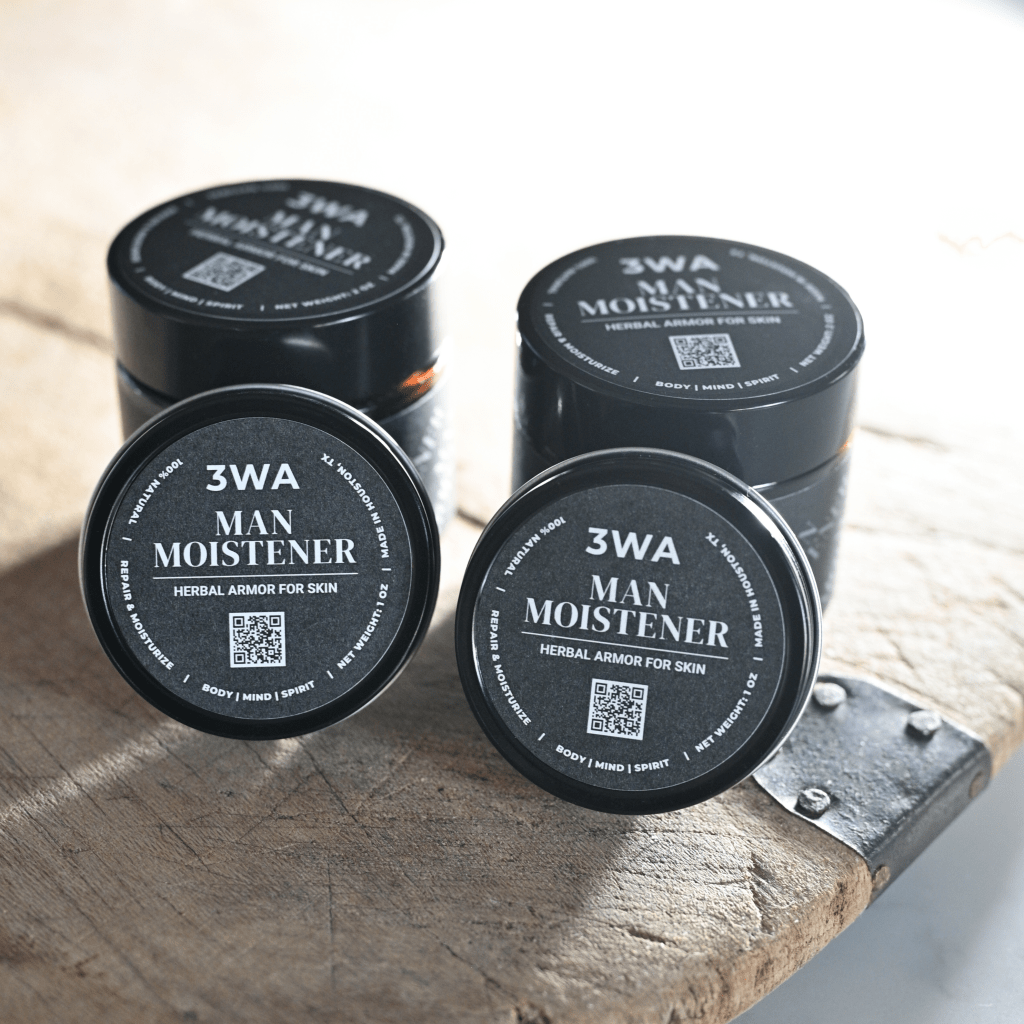
Man Moistener Salve
Herbal Armor for Skin
The ultimate multi-purpose salve for all your skincare needs, the Man Moistener Salve is crafted to heal, soothe, and protect. Whether you’re looking for after-shave care, hydration for dry skin, or relief for minor irritations, this salve has you covered.
Monographs with the (Anti-viral) function

Live Organic Milk Kefir Grains
PROBIOTICS & YEASTS
Kefir grains contain a diverse community of approximately 30–60 species of beneficial bacteria and yeasts, including Lactobacillus, Lactococcus, Streptococcus, and Saccharomyces species. These microorganisms produce enzymes and short-chain fatty acids that support digestion and metabolic health. They adhere to intestinal cells, strengthen the mucosal barrier, improve lactose digestion, and help regulate immune function.
ORGANIC ACIDS
During fermentation, kefir microbes produce organic acids—primarily lactic and acetic acid. These compounds lower gut pH, creating an environment that inhibits harmful and pathogenic bacteria. In combination with naturally occurring ethanol (trace amounts) and bacteriocins, they support a balanced and resilient gut ecosystem.
BIOACTIVE PEPTIDES
Milk proteins are broken down during fermentation into bioactive peptides. These compounds have demonstrated anti-inflammatory, antimicrobial, and immune-modulating effects. They help regulate inflammatory signaling and may reduce intestinal inflammation associated with chronic conditions.
KEFIRAN
Kefiran is a unique polysaccharide produced by kefir cultures that forms the structural matrix of the grains. It functions as a prebiotic, selectively feeding beneficial bacteria. Kefiran has antioxidant and anti-inflammatory properties and may enhance mucosal immunity by increasing secretory IgA.
CONTRAINDICATIONS & PRECAUTIONS
Kefir is generally well tolerated; however, use caution if you are:
• Pregnant or breastfeeding (limited research available) • Immunocompromised (live cultures may pose risk) • Sensitive to dairy or histamines
When first introducing kefir, mild symptoms such as bloating, cramping, or constipation may occur. Kefir contains trace amounts of naturally occurring alcohol due to fermentation; individuals taking medications such as disulfiram should avoid use. Consult a healthcare professional if you have underlying conditions or are on immunosuppressive therapy.
REFERENCES
- Prado MR, Blandón LM, Vandenberghe LPS, et al. Milk kefir: composition, microbial cultures, biological activities, and related products. Front Microbiol. 2015;6:1177.
- Bourrie BCT, Willing BP, Cotter PD. The microbiota and health promoting characteristics of the fermented beverage kefir. Front Microbiol. 2016;7:647.
- Leite AMO, Miguel MAL, Peixoto RS, et al. Microbiological, technological and therapeutic properties of kefir: a natural probiotic beverage. Braz J Microbiol. 2013;44(2):341-349.
- Rosa DD, Dias MMS, Grześkowiak ŁM, Reis SA, Conceição LL, Peluzio MDCG. Milk kefir: nutritional, microbiological and health benefits. Nutr Res Rev. 2017;30(1):82-96.
- Farnworth ER. Kefir – a complex probiotic. Food Sci Technol Bull Funct Foods. 2005;2(1):1-17.
- Fiorda FA, de Melo Pereira GV, Thomaz-Soccol V, Rakshit SK, Pagnoncelli MGB, Soccol CR. Microbiological, biochemical, and functional aspects of sugary kefir fermentation. Food Microbiol. 2017;66:86-95.
$10.00
Prickly Ash
Prickly Ash Bark (Zanthoxylum americanum) is a dynamic, warming tonic that encourages movement, clarity, and vitality. Traditionally used by Indigenous peoples and early North American herbalists, it is valued as a circulatory stimulant and nervine tonic — an ally for those who feel sluggish, chilled, or stagnant.
This vibrant bark enlivens the body’s rivers of circulation, stimulating both blood and lymphatic flow. Its gentle tingling on the tongue reflects its activating nature — awakening digestion, supporting healthy warmth, and promoting awareness in the periphery.
Energetically, Prickly Ash embodies the spark of renewal. It helps encourage a sense of warmth and natural circulation throughout the body, restoring aliveness and gentle momentum.
Crafted through a 60% organic cane ethanol extraction, this tincture preserves the bark’s full aromatic and bitter complexity, capturing its ancient wisdom and vital fire.
Dosage
Take 2-4 mL (approximately 20–40 drops) up to three times daily in a small amount of water or directly on the tongue.
Best taken before meals to support circulation and digestion, or as needed when feeling cold or energetically sluggish.
Pairs well with warming teas and practices that move energy — such as walking, breathwork, or gentle stretching.
Cautions
Generally well-tolerated at suggested dosages. Consult a qualified healthcare provider before use if you are:
-
Pregnant or nursing
-
Experiencing acute inflammation or hot, dry conditions
-
Managing gastrointestinal irritation or ulcers
-
Taking medications that affect circulation or blood clotting
Avoid excessive use; Prickly Ash is a stimulating herb best used in moderate amounts.
$25.00