
Sub-Total: $0.00
Botanical Description
Explore our calendar of upcoming events, plant walks, and medicine-making classes.
TCM Perspective
Explore our calendar of upcoming events, plant walks, and medicine-making classes.
Ayurvedic Perspective
Explore our calendar of upcoming events, plant walks, and medicine-making classes.
Spiritual Associations
Explore our calendar of upcoming events, plant walks, and medicine-making classes.
Preparations
Explore our calendar of upcoming events, plant walks, and medicine-making classes.
Cautions
Explore our calendar of upcoming events, plant walks, and medicine-making classes.
Fun Facts
Explore our calendar of upcoming events, plant walks, and medicine-making classes.
Sacred Rituals
Explore our calendar of upcoming events, plant walks, and medicine-making classes.
Affirmations
Explore our calendar of upcoming events, plant walks, and medicine-making classes.
Known Chemical Constituents
Explore our calendar of upcoming events, plant walks, and medicine-making classes.
Chakra Associations
Explore our calendar of upcoming events, plant walks, and medicine-making classes.

Products containing Ingredient Template
Discover our collection of artisanal salves for holistic healing.

Prickly Ash
Prickly Ash Bark (Zanthoxylum americanum) is a dynamic, warming tonic that encourages movement, clarity, and vitality. Traditionally used by Indigenous peoples and early North American herbalists, it is valued as a circulatory stimulant and nervine tonic — an ally for those who feel sluggish, chilled, or stagnant.
This vibrant bark enlivens the body’s rivers of circulation, stimulating both blood and lymphatic flow. Its gentle tingling on the tongue reflects its activating nature — awakening digestion, supporting healthy warmth, and promoting awareness in the periphery.
Energetically, Prickly Ash embodies the spark of renewal. It helps encourage a sense of warmth and natural circulation throughout the body, restoring aliveness and gentle momentum.
Crafted through a 60% organic cane ethanol extraction, this tincture preserves the bark’s full aromatic and bitter complexity, capturing its ancient wisdom and vital fire.
Dosage
Take 2-4 mL (approximately 20–40 drops) up to three times daily in a small amount of water or directly on the tongue.
Best taken before meals to support circulation and digestion, or as needed when feeling cold or energetically sluggish.
Pairs well with warming teas and practices that move energy — such as walking, breathwork, or gentle stretching.
Cautions
Generally well-tolerated at suggested dosages. Consult a qualified healthcare provider before use if you are:
-
Pregnant or nursing
-
Experiencing acute inflammation or hot, dry conditions
-
Managing gastrointestinal irritation or ulcers
-
Taking medications that affect circulation or blood clotting
Avoid excessive use; Prickly Ash is a stimulating herb best used in moderate amounts.
$25.00
Ashwagandha Root
A deeply restorative adaptogen, Ashwagandha Root (Withania somnifera) has been treasured in Ayurvedic tradition for centuries for its ability to strengthen resilience and restore balance. Known as a “rasayana” or rejuvenative tonic, it supports the body’s natural capacity to adapt to life’s daily stressors and maintain equilibrium across the nervous, endocrine, and immune systems.
This tincture offers a stabilizing, grounding energy — not stimulating, but harmonizing. It helps moderate the body’s stress response, nourishing depleted reserves and supporting healthy adrenal function over time.
Crafted through a 60% organic cane ethanol extraction to preserve its full spectrum of constituents, this formula embodies the adaptogenic principle described by herbalist David Winston: to normalize rather than force, to strengthen rather than overstimulate, and to build vitality that endures.
Like the resilient root itself, Ashwagandha invites you to slow your rhythm, find your center, and cultivate calm strength from within.
Dosage
Take 2–4 mL (approximately 40–80 drops) up to three times daily in a small amount of water or directly on the tongue.
Best taken consistently over time for cumulative benefit, particularly during periods of emotional strain, fatigue, or high output.
Pairs well with restorative practices such as breathwork, yoga nidra, journaling, or quiet moments in nature.
Cautions
Generally well-tolerated. Consult a qualified healthcare provider before use if you are:
-
Pregnant or nursing
-
Sensitive to plants in the nightshade (Solanaceae) family
-
Managing hemochromatosis (excess iron) or hyperthyroid conditions
-
Taking sedatives or thyroid medications
Discontinue use if any adverse effects occur.
$25.00
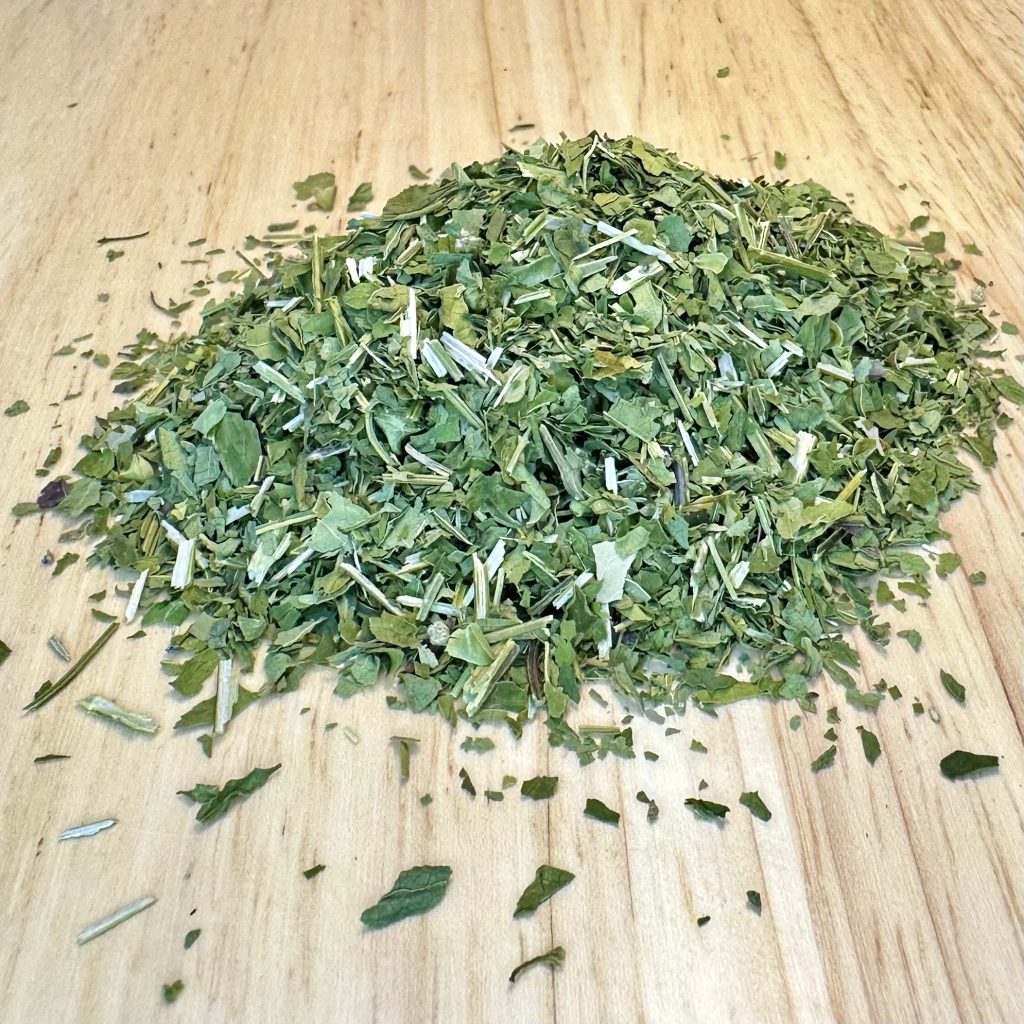
Skullcap (Scutellaria lateriflora)
Historical Uses:
Skullcap has a long history of use by Native American tribes for its calming effects on the nervous system, particularly in cases of anxiety and nervous tension. It was also used in early American medicine for treating conditions such as hysteria, rabies, and convulsions—which is how it earned the nickname Mad Dog Skullcap. Historically, it was often given to individuals suffering from nervous disorders to soothe the mind and promote sleep.
Current Uses:
- Nervous system support: Skullcap is widely used today to address anxiety, stress, and nervous tension. It is known for its ability to calm frazzled nerves without causing drowsiness.
- Sleep aid: While not as sedative as other herbs, Skullcap is often used as a mild sleep aid, particularly for individuals whose insomnia is caused by overthinking or mental stress.
- Headache relief: Skullcap is also used to relieve tension headaches, especially those associated with stress or emotional overwhelm.
- Muscle relaxation: Known for its antispasmodic properties, Skullcap can help relieve muscle tension and spasms, making it beneficial for muscular pain or cramps.
Want to learn more? Visit our Materia Medica section and search for this herb to explore its history, uses, energetics, and more.
$8.05
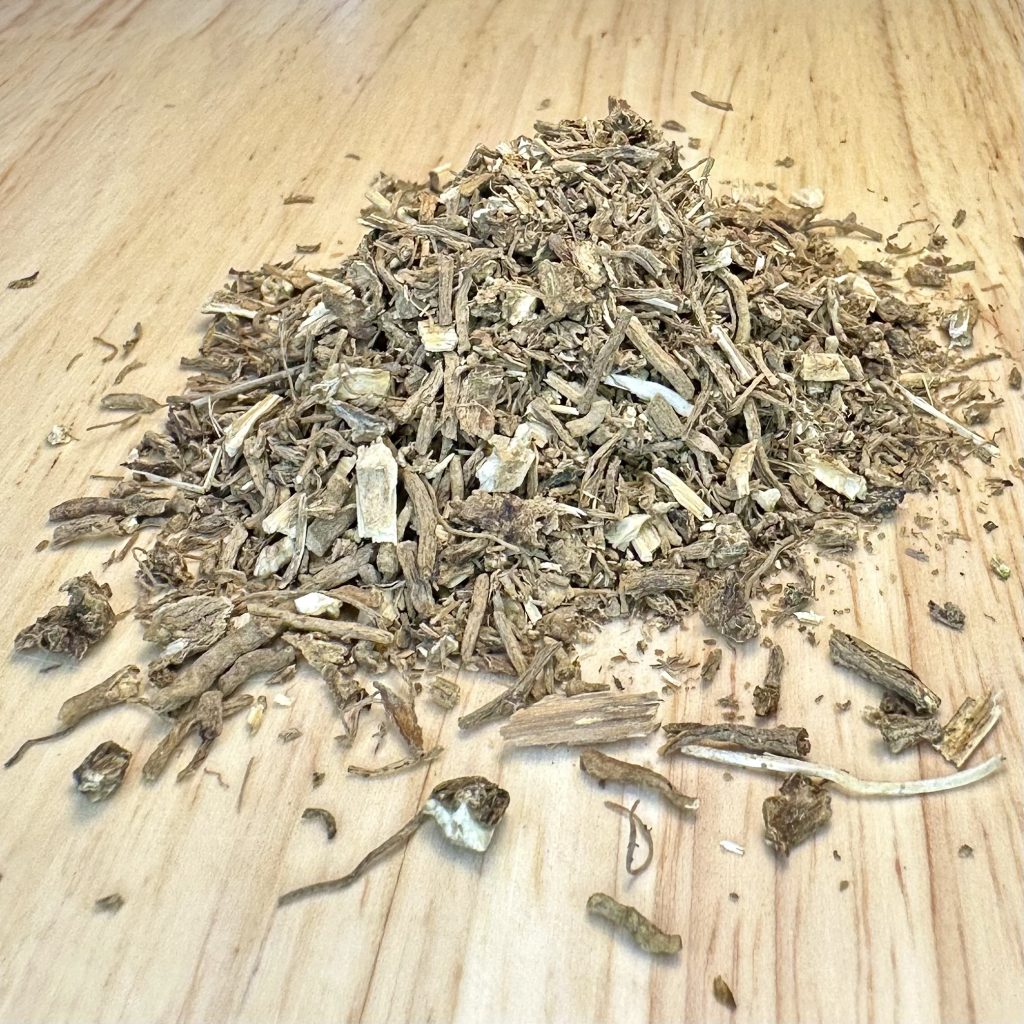
Valerian Root (Valeriana officinalis)
Historical Uses:
Valeriana officinalis has been used since ancient Greece and Rome as a nervine tonic, where it was prescribed for anxiety, insomnia, and nervous disorders. In medieval Europe, it was often called “All-Heal” for its versatile uses in treating wounds, pain, and restlessness. Valeriana sitchensis, on the other hand, was traditionally used by indigenous peoples of the Pacific Northwest for calming the mind, treating fevers, and enhancing dreams during spiritual rituals.
Current Uses:
- Valeriana officinalis: Widely used as a powerful sleep aid, this species is known for addressing insomnia, restlessness, and anxiety. Its fast-acting effects make it a favorite in herbal sleep and anxiety formulas.
- Valeriana sitchensis: A more gentle alternative, often used for mild anxiety, tension headaches, and to soothe the nervous system without the stronger sedative effects of V. officinalis. It is also valued in spiritual practices for its ability to enhance dreamwork and support emotional clarity.
Want to learn more? Visit our Materia Medica section and search for this herb to explore its history, uses, energetics, and more.
$7.85