
Sub-Total: $0.00
Botanical Description
Explore our calendar of upcoming events, plant walks, and medicine-making classes.
TCM Perspective
Explore our calendar of upcoming events, plant walks, and medicine-making classes.
Ayurvedic Perspective
Explore our calendar of upcoming events, plant walks, and medicine-making classes.
Spiritual Associations
Explore our calendar of upcoming events, plant walks, and medicine-making classes.
Preparations
Explore our calendar of upcoming events, plant walks, and medicine-making classes.
Cautions
Explore our calendar of upcoming events, plant walks, and medicine-making classes.
Fun Facts
Explore our calendar of upcoming events, plant walks, and medicine-making classes.
Sacred Rituals
Explore our calendar of upcoming events, plant walks, and medicine-making classes.
Affirmations
Explore our calendar of upcoming events, plant walks, and medicine-making classes.
Known Chemical Constituents
Explore our calendar of upcoming events, plant walks, and medicine-making classes.
Chakra Associations
Explore our calendar of upcoming events, plant walks, and medicine-making classes.

Products containing Ingredient Template
Discover our collection of artisanal salves for holistic healing.
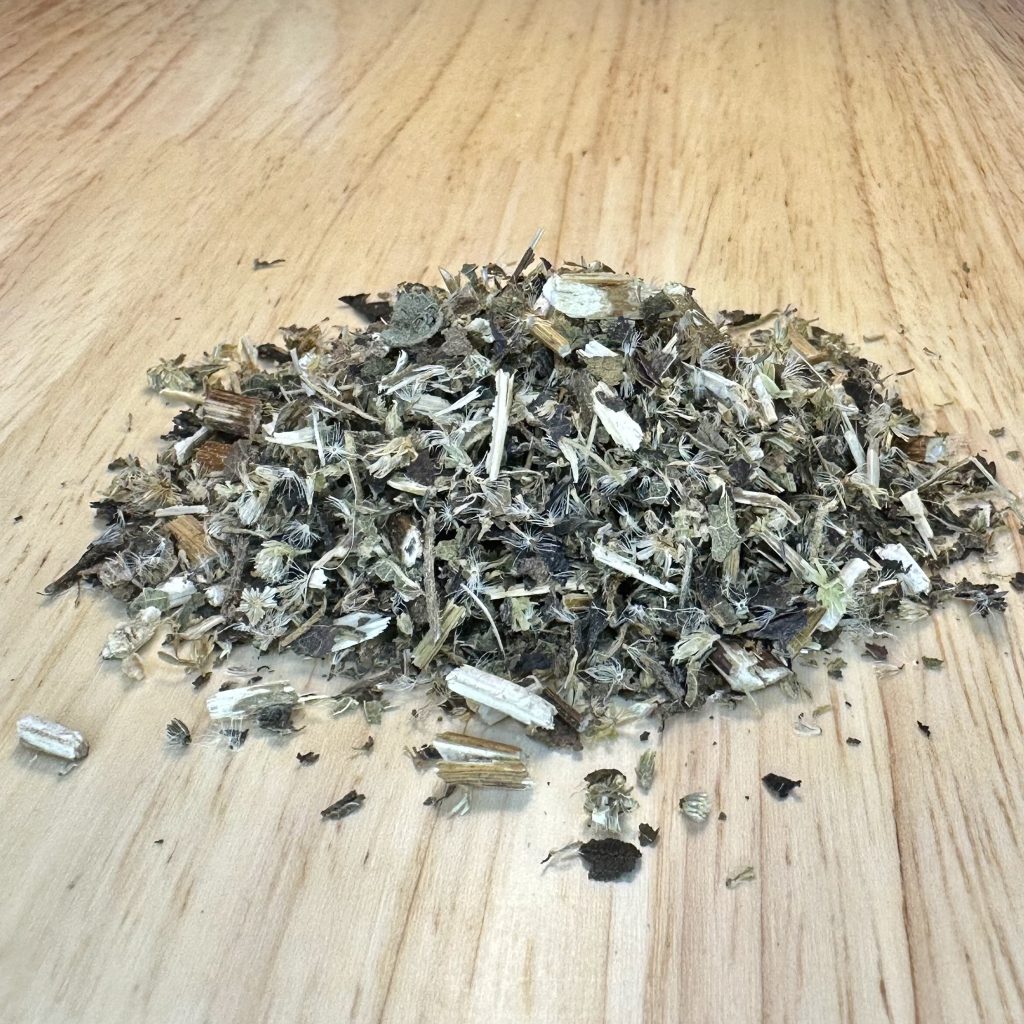
Boneset (Eupatorium perfoliatum)
Uses
Fever Reduction (Febrifuge):
Boneset is primarily known for its use in breaking fevers. Historically, it was used to promote sweating, helping the body cool down during high fevers caused by the flu, colds, or infections. Its diaphoretic action makes it highly effective for reducing body temperature naturally.
Treatment of Influenza and Cold Symptoms:
Traditionally, Boneset was a key herb in treating influenza and severe colds. It helps to alleviate body aches, chills, and congestion associated with these conditions. Native American tribes, particularly the Delaware and Iroquois, valued Boneset for its ability to relieve the “bone-breaking” pain that often accompanies these illnesses.
Digestive Support:
Boneset was also used as a mild laxative and digestive tonic. It helps relieve constipation and is thought to support the liver, promoting detoxification and improving overall digestive health.
Anti-inflammatory and Pain Relief:
Due to its anti-inflammatory properties, Boneset has traditionally been used to relieve rheumatic pains and other joint discomforts. It is particularly beneficial for treating inflammatory conditions that affect the bones, joints, and muscles.
Immune Support:
Boneset has historically been used to boost the immune system, particularly during viral infections. It helps to strengthen the body’s defenses, speeding recovery and preventing the recurrence of illness.
Learn More:
Want to explore more about energetics, history and more? Visit our Materia Medica section and search for this herb to deepen your understanding.
$7.20
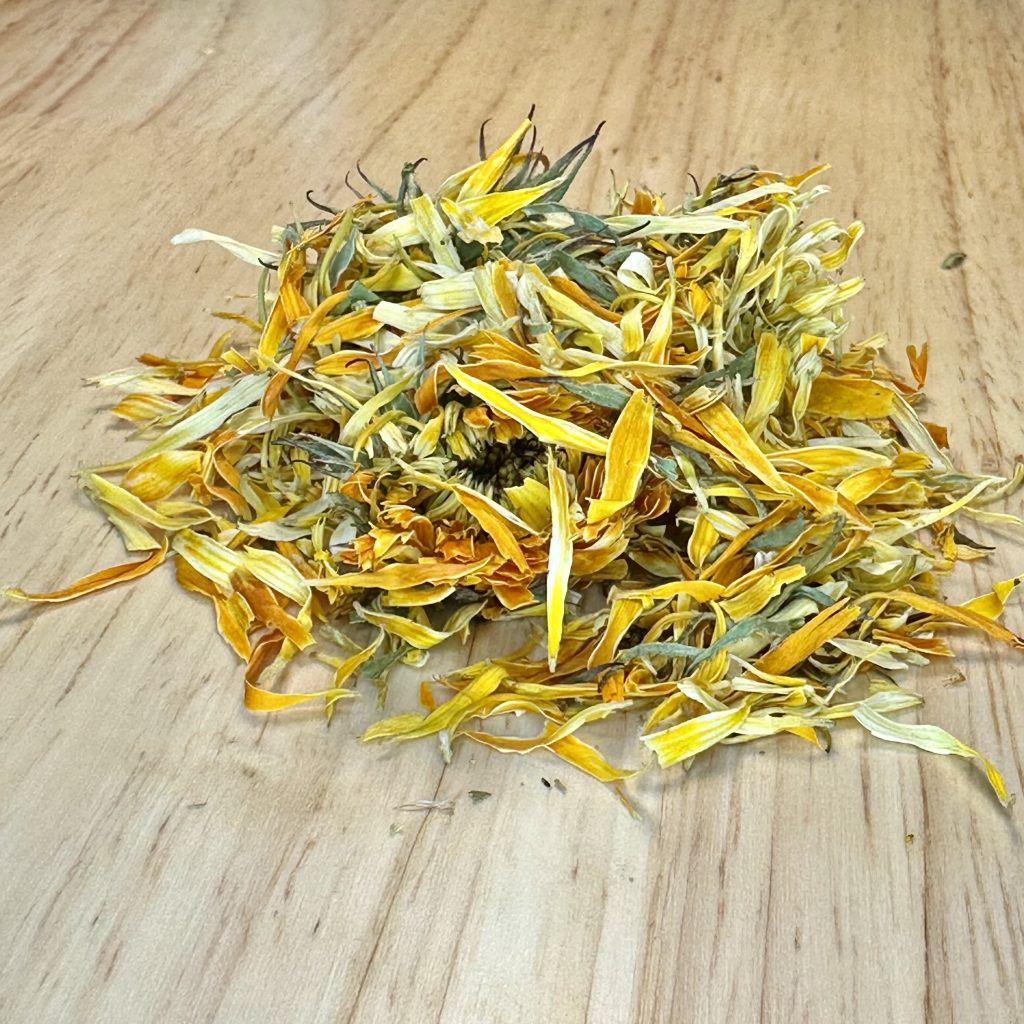
Calendula Flowers (Calendula officinalis)
Uses
Wound Healing:
Calendula has been used for centuries as a wound-healing herb. Its flowers are applied topically to treat cuts, scrapes, burns, and insect bites. Calendula’s ability to stimulate collagen production helps accelerate the healing of wounds, while its antiseptic and antimicrobial properties prevent infection.
Skin Conditions:
Calendula is widely used in the treatment of skin irritations, such as eczema, psoriasis, dermatitis, and acne. Its anti-inflammatory properties help soothe inflamed skin, while its natural ability to hydrate and nourish the skin promotes overall skin health. It is commonly used in creams, ointments, and salves for treating rashes and sunburn.
Anti-inflammatory and Antiseptic:
Calendula has been traditionally used as an anti-inflammatory and antiseptic herb, particularly in treating minor infections and swelling. Calendula extracts are also used in mouthwashes to reduce inflammation in the gums and sore throat. In folk medicine, it has been used as an internal remedy for gastric ulcers and inflammatory digestive conditions.
Menstrual Support:
Historically, Calendula was used to help regulate menstrual cycles and alleviate menstrual cramps. Its gentle action on the uterus made it useful for supporting women’s reproductive health.
Digestive Health:
Calendula is also used as a mild tonic to support digestive health. It helps to soothe the mucous membranes of the digestive tract, making it useful for gastritis, ulcers, and other digestive issues where inflammation is present.
Learn More:
Want to explore more about energetics, history and more? Visit our Materia Medica section and search for this herb to deepen your understanding.
$12.20
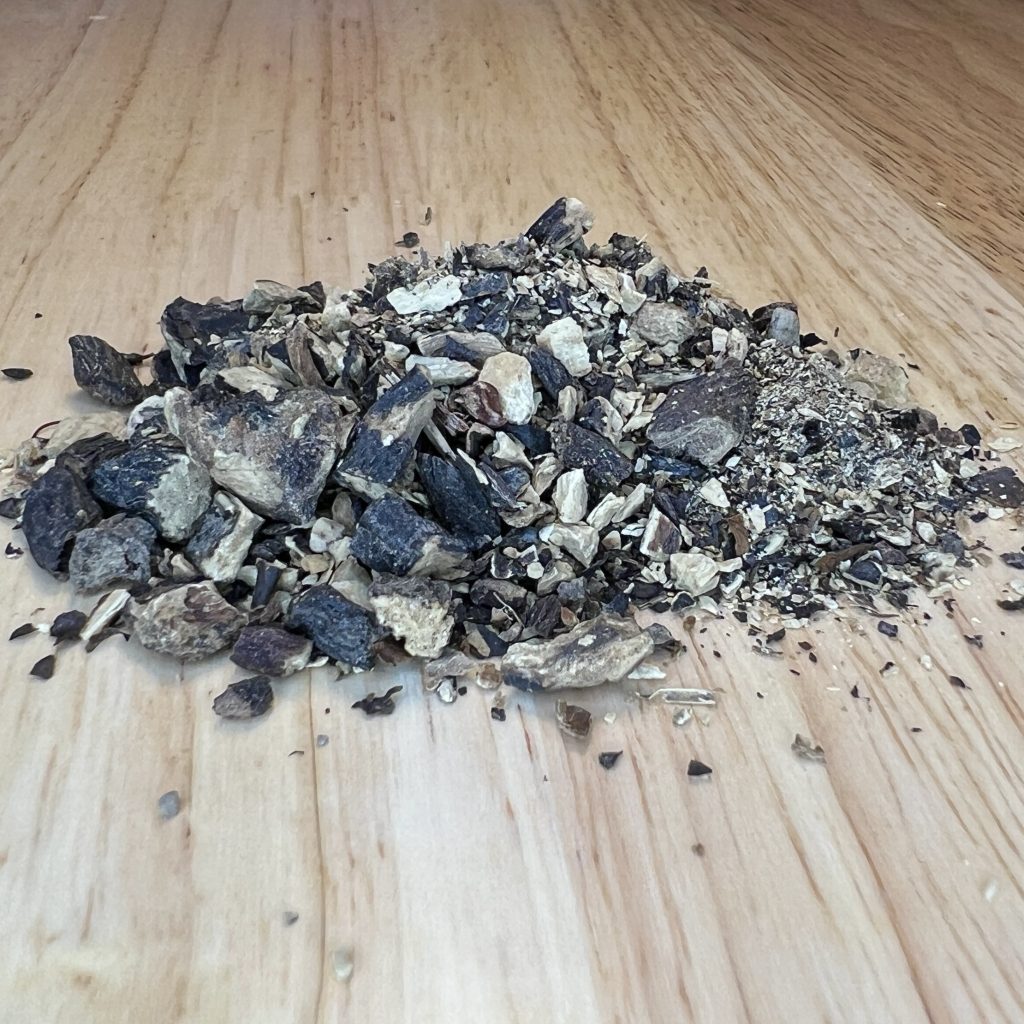
Comfrey Root (Symphytum officinale)
Traditional Uses:
Comfrey has been widely used for centuries as a healing herb, particularly in folk medicine. Traditionally, it was known as “boneset” or “knitbone” due to its ability to promote the healing of fractures and broken bones. The herb was applied externally in the form of poultices, compresses, and salves to treat bruises, sprains, wounds, and joint injuries. The leaves and roots were used to reduce inflammation and swelling and speed up the healing of soft tissues.
Wound Healing: Comfrey’s traditional use for wounds and ulcers was due to its content of allantoin, a compound that stimulates cell regeneration and tissue repair.
Internal Use (Historical): In the past, comfrey was also consumed as a tea or decoction to treat respiratory conditions, gastrointestinal disorders, and internal bleeding. However, internal use of comfrey is now discouraged due to concerns over pyrrolizidine alkaloids (PAs), which can be toxic to the liver.
Current Uses:
Today, comfrey remains highly regarded for its external use in treating bruises, sprains, strains, and inflammation of muscles and joints. Modern herbalists recommend comfrey as an ingredient in ointments and creams to aid in the healing of skin conditions, minor wounds, burns, and fractures. Its ability to promote tissue regeneration and reduce inflammation has kept it relevant in natural remedies, though strict regulations now limit its internal use due to its hepatotoxic potential.
Topical Applications: Comfrey is commonly used in herbal salves, balms, and lotions for musculoskeletal pain, as well as in arthritis and rheumatic treatments. The herb helps reduce pain, swelling, and inflammation, making it a popular remedy for athletes and those recovering from injuries.
Learn More:
Want to explore more about Comfrey’s energetics and history? Visit our Materia Medica section and search for this herb to deepen your understanding.
$4.80
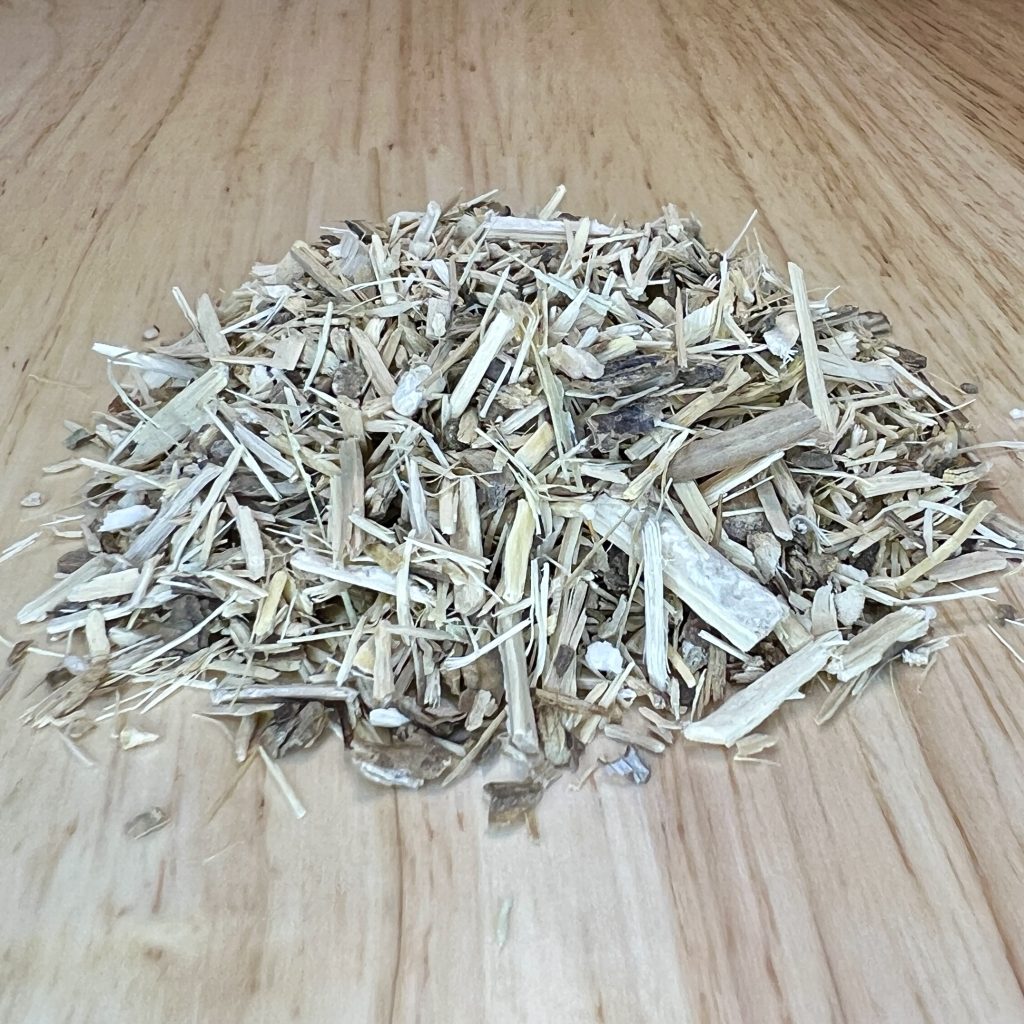
Eleuthero Root (Eleutherococcus senticosus)
Traditional Uses:
In traditional Chinese medicine (TCM), Eleuthero has been used for over 2,000 years to fortify Qi and support the Spleen and Kidney meridians. It was traditionally used to increase stamina, combat fatigue, and strengthen the immune system, especially during recovery from illness. In Russia, Eleuthero gained prominence during the Soviet era for its ability to enhance athletic performance, mental clarity, and stress resilience.
Current Uses:
Today, Eleuthero is widely used as an adaptogen, helping the body adapt to stress and improve endurance and energy. It is commonly used for:
- Increasing energy and stamina during periods of fatigue or physical exertion
- Supporting immune function, particularly in times of stress or recovery
- Balancing stress responses, promoting mental clarity and focus
- Enhancing athletic performance and aiding in post-exercise recovery
- Improving overall vitality and resilience to environmental stressors
Learn More:
Want to explore more about Eleuthero’s energetics and history? Visit our Materia Medica section and search for this herb to deepen your understanding.
$2.90