
Sub-Total: $0.00
Botanical Description
Explore our calendar of upcoming events, plant walks, and medicine-making classes.
TCM Perspective
Explore our calendar of upcoming events, plant walks, and medicine-making classes.
Ayurvedic Perspective
Explore our calendar of upcoming events, plant walks, and medicine-making classes.
Spiritual Associations
Explore our calendar of upcoming events, plant walks, and medicine-making classes.
Preparations
Explore our calendar of upcoming events, plant walks, and medicine-making classes.
Cautions
Explore our calendar of upcoming events, plant walks, and medicine-making classes.
Fun Facts
Explore our calendar of upcoming events, plant walks, and medicine-making classes.
Sacred Rituals
Explore our calendar of upcoming events, plant walks, and medicine-making classes.
Affirmations
Explore our calendar of upcoming events, plant walks, and medicine-making classes.
Known Chemical Constituents
Explore our calendar of upcoming events, plant walks, and medicine-making classes.
Chakra Associations
Explore our calendar of upcoming events, plant walks, and medicine-making classes.

Products containing Ingredient Template
Discover our collection of artisanal salves for holistic healing.
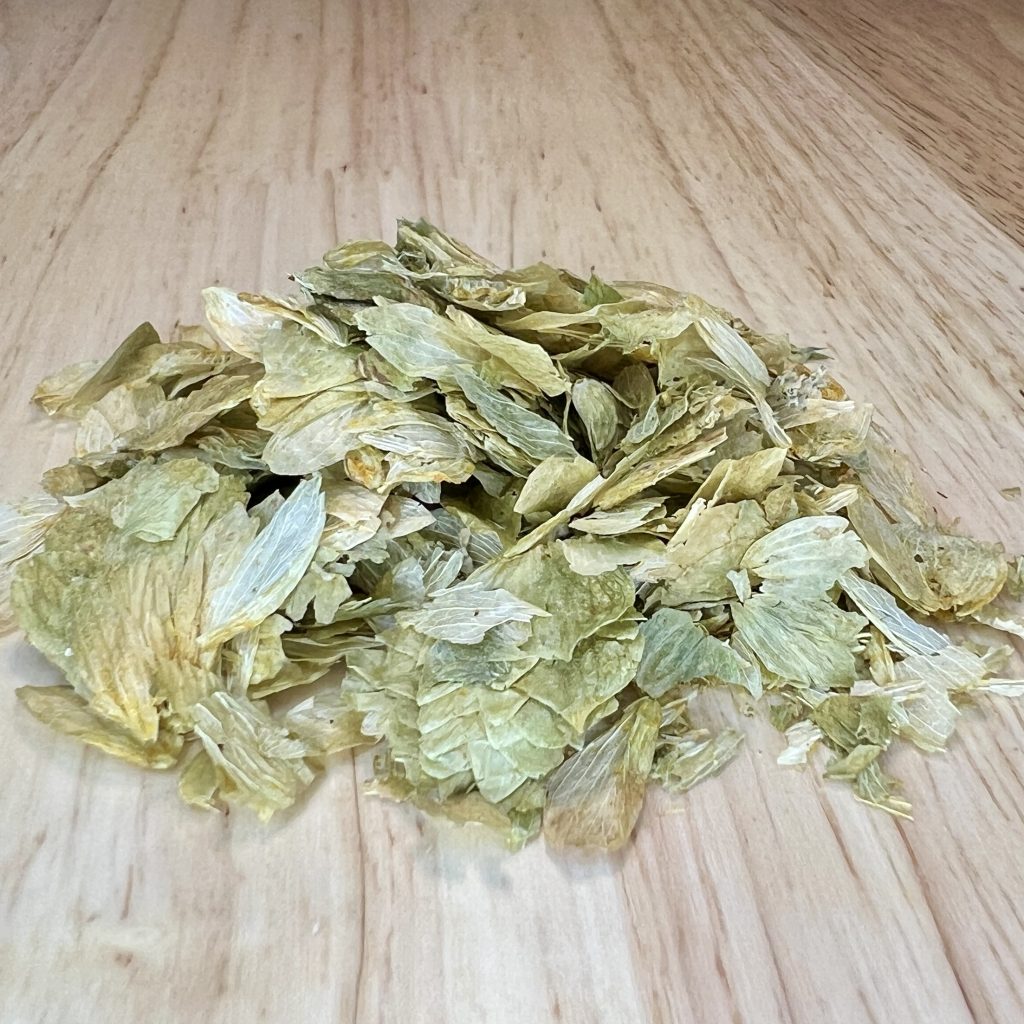
Hops Flower (Humulus lupulus)
Sedative and Relaxant: Traditionally, hops have been used for their calming effects on the nervous system. In European folk medicine, hops were used to treat insomnia, anxiety, and restlessness. People often stuffed pillows with hops to induce sleep and ease nervous tension.
Digestive Aid: Hops have long been recognized for their bitter properties, which stimulate digestive secretions. They were commonly used to treat indigestion, loss of appetite, and digestive discomfort in traditional herbal medicine.
Antiseptic and Anti-inflammatory: Hops were also used for their antibacterial and anti-inflammatory effects. Traditional healers applied hops externally to treat skin infections and inflammation and internally to reduce fevers and combat infections.
Current Uses:
Sleep Aid: In modern herbalism, hops are a popular remedy for insomnia and anxiety. They are often combined with other sedative herbs, such as valerian or passionflower, in supplements or teas to promote restful sleep.
Nervous System Support: Hops are frequently used to alleviate nervous tension, stress, and mild anxiety. They are incorporated into tinctures, capsules, or teas designed to calm the mind and relax the body.
Digestive Health: Due to their bitter compounds, hops continue to be used as a digestive stimulant, helping to enhance appetite and alleviate indigestion.
Anti-inflammatory and Antibacterial: Hops possess anti-inflammatory and antimicrobial properties and are still used in modern herbal medicine to treat skin conditions, infections, and inflammation both internally and externally.
Brewing: Hops are famously used in the brewing industry to flavor and preserve beer. Their bitter resins and aromatic oils give beer its distinctive flavor and help prevent bacterial growth during the fermentation process.
Learn More:
Want to explore more about Hops’ energetics and history? Visit our Materia Medica section and search for this herb to deepen your understanding.
$8.75
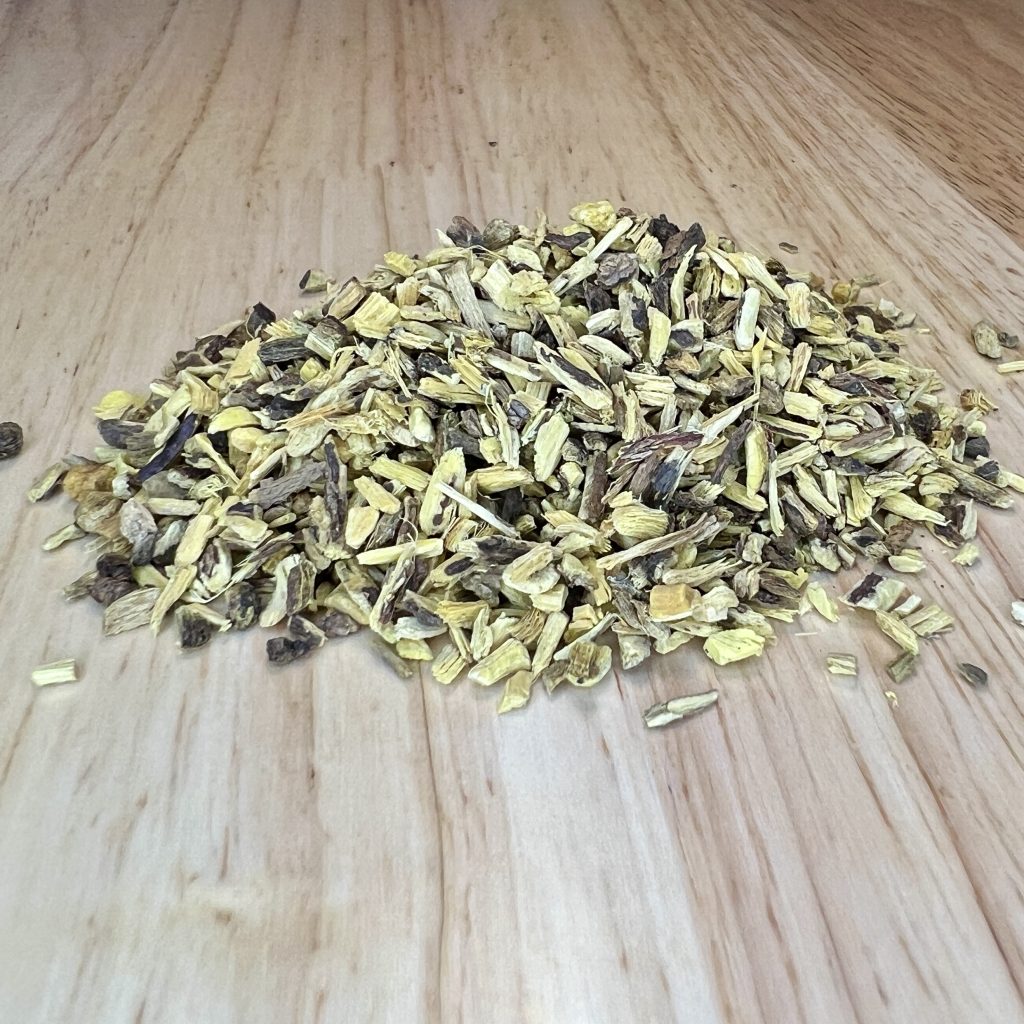
Licorice Root (Glycyrrhiza glabra)
Digestive Soother: Licorice Root has been used in ancient Egyptian and Greek medicine as a remedy for gastric ulcers, indigestion, and heartburn. Its mucilaginous properties soothe inflamed mucous membranes, making it beneficial for conditions like gastritis and acid reflux.
Respiratory Support: In Traditional Chinese Medicine (TCM), Licorice Root is known as Gan Cao and has been used for centuries to treat coughs, bronchitis, and sore throats due to its ability to soothe inflamed tissues and expel mucus.
Hormonal Balance: In Ayurvedic medicine, Licorice Root has been employed to balance hormones and address menstrual irregularities. It’s particularly noted for its ability to help with adrenal fatigue and stress.
Current Uses:
Anti-inflammatory: Modern research highlights Licorice Root’s potent anti-inflammatory effects, making it valuable for conditions like arthritis, eczema, and other inflammatory disorders.
Adrenal Support: Today, Licorice is widely used for supporting adrenal health in cases of chronic stress. It helps regulate cortisol levels, acting as a natural remedy for adrenal fatigue.
Antiviral: Licorice Root is recognized for its antiviral properties, showing effectiveness against viruses like herpes simplex and hepatitis.
Gut Health: DGL (deglycyrrhizinated licorice) is commonly used to treat peptic ulcers, as it helps soothe and heal the stomach lining without the glycyrrhizin component that can elevate blood pressure.
Learn More:
Want to explore more about Licorice’s energetics and history? Visit our Materia Medica section and search for this herb to deepen your understanding.
$3.75
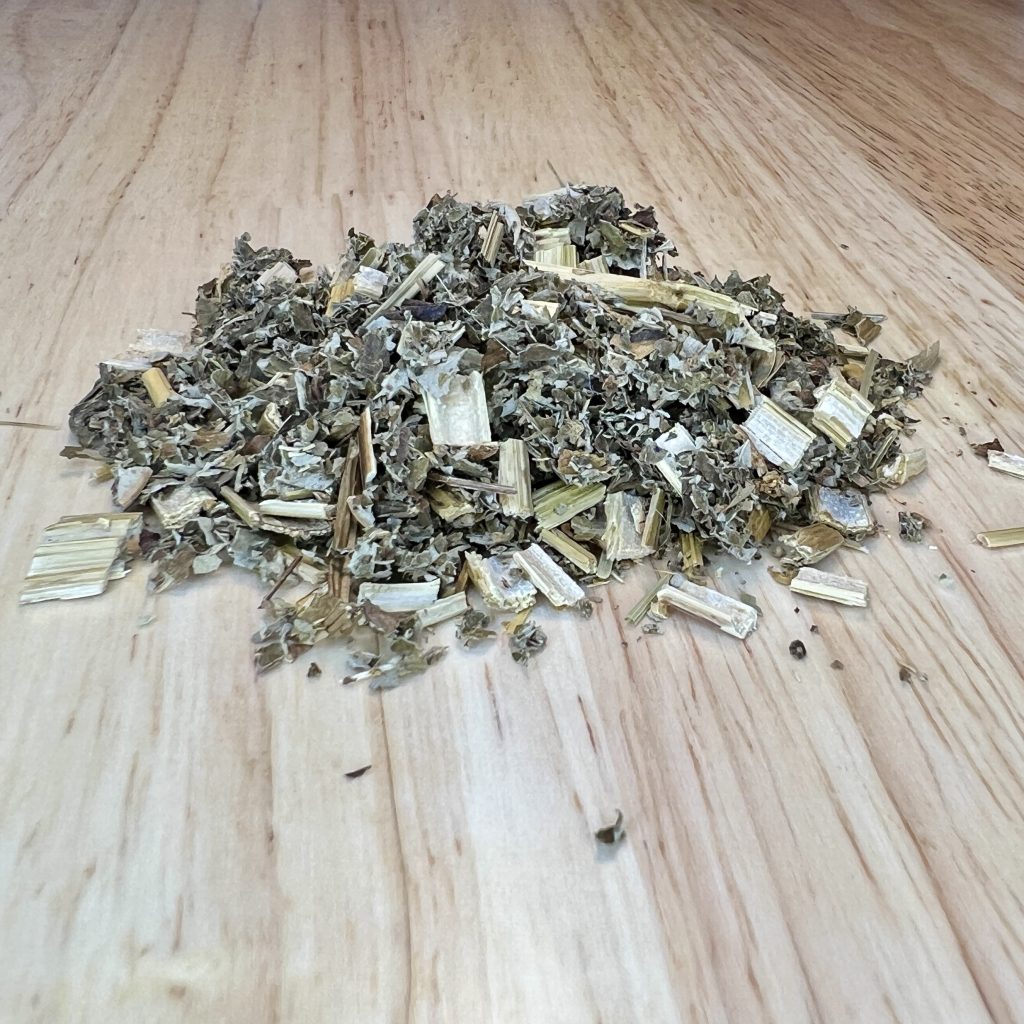
Meadowsweet (Filipendula ulmaria)
Pain Relief: Meadowsweet has been used for centuries in European folk medicine to treat headaches, fevers, and arthritis. It was a common remedy for joint pain and rheumatism, thanks to its natural content of salicylates.
Digestive Soother: Traditionally, Meadowsweet was used to treat gastric ulcers, indigestion, and heartburn. It was recognized for its ability to reduce stomach acidity while providing a soothing effect on the digestive tract.
Fever-Reducing: Meadowsweet was also commonly used to bring down fevers in cases of colds or flu. Its combination of anti-inflammatory and fever-reducing properties made it a staple in herbal remedies for respiratory illnesses.
Current Uses:
Anti-inflammatory and Analgesic: Meadowsweet remains a popular natural remedy for conditions involving inflammation and pain, such as arthritis, headaches, and fevers. It is often used as a gentler alternative to aspirin, providing similar benefits without the stomach irritation commonly associated with synthetic forms of the drug.
Digestive Aid: Meadowsweet is still widely used today for its role in balancing stomach acidity and treating acid reflux, heartburn, and gastritis. Its ability to soothe mucous membranes and promote healthy digestion makes it a valuable herb for digestive wellness.
Urinary Health: Modern herbalists use Meadowsweet to support urinary tract health, particularly in cases of inflammation or infection of the bladder or kidneys. Its mild diuretic properties help to flush out toxins while soothing irritation.
Learn More:
Want to explore more about Meadowsweet’s energetics and history? Visit our Materia Medica section and search for this herb to deepen your understanding.
$3.00
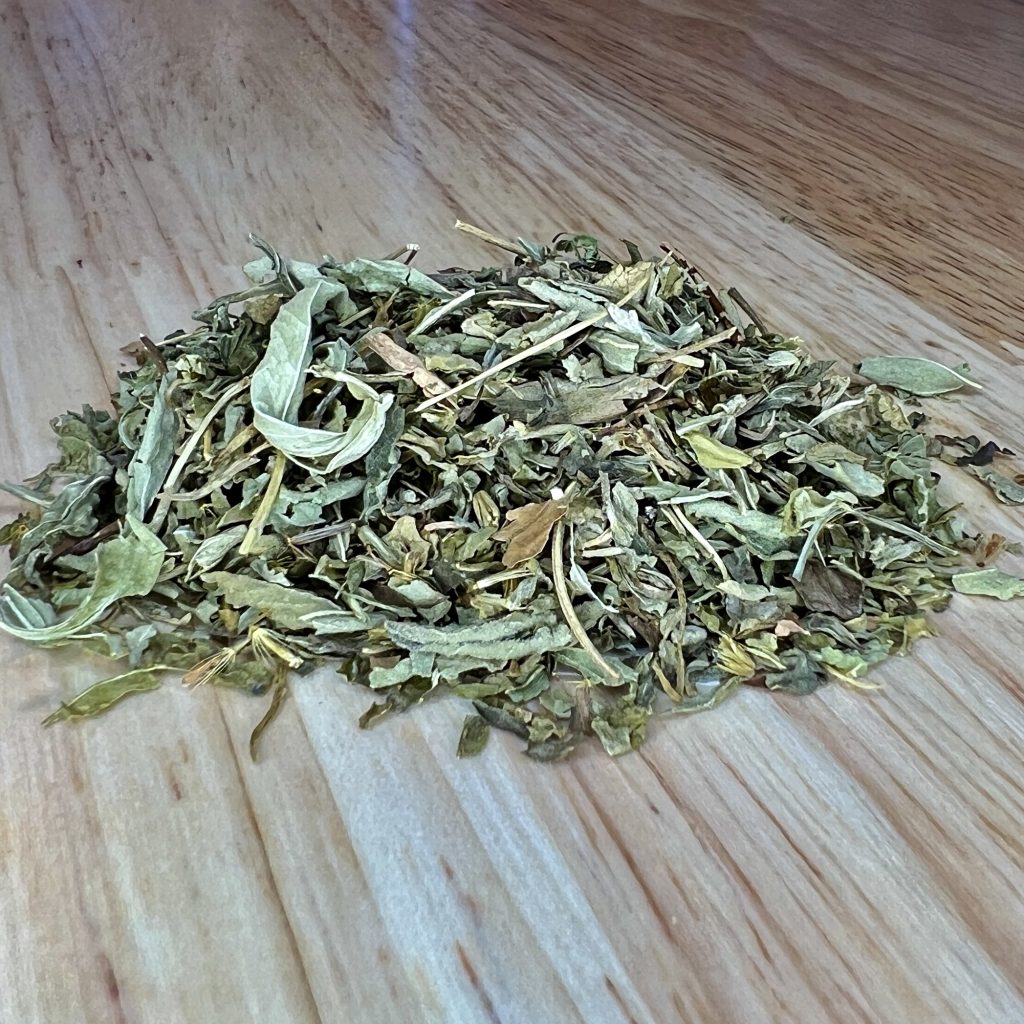
Stevia Leaf (Stevia rebaudiana)
Traditional Uses
Stevia has been used for centuries by the Guaraní people of Paraguay, who referred to it as “Ka’a He’ê,” meaning sweet herb. Traditionally, the leaves were used to sweeten beverages like maté and were also chewed for their natural sweetness. The indigenous people valued Stevia not only as a natural sweetener but also for its medicinal properties, using it to treat stomach issues and as a tonic for energy and endurance.
Current Uses
- Sugar substitute: Stevia is widely used as a natural sugar alternative in foods and beverages, especially for individuals seeking to reduce caloric intake or manage blood sugar levels.
- Diabetes support: Stevia has been studied for its ability to help regulate blood sugar and improve insulin sensitivity, making it beneficial for those with type 2 diabetes.
- Anti-inflammatory: The antioxidants in Stevia, such as stevioside, have shown potential in reducing inflammation and protecting against oxidative stress.
- Oral health: Stevia may help support dental health by reducing the risk of cavities and plaque formation due to its non-cariogenic nature, making it a popular sweetener in toothpastes and mouthwashes.
Learn More:
Want to explore more about Stevia’s energetics and history? Visit our Materia Medica section and search for this herb to deepen your understanding.
$3.50