
Sub-Total: $0.00
Botanical Description
Explore our calendar of upcoming events, plant walks, and medicine-making classes.
TCM Perspective
Explore our calendar of upcoming events, plant walks, and medicine-making classes.
Ayurvedic Perspective
Explore our calendar of upcoming events, plant walks, and medicine-making classes.
Spiritual Associations
Explore our calendar of upcoming events, plant walks, and medicine-making classes.
Preparations
Explore our calendar of upcoming events, plant walks, and medicine-making classes.
Cautions
Explore our calendar of upcoming events, plant walks, and medicine-making classes.
Fun Facts
Explore our calendar of upcoming events, plant walks, and medicine-making classes.
Sacred Rituals
Explore our calendar of upcoming events, plant walks, and medicine-making classes.
Affirmations
Explore our calendar of upcoming events, plant walks, and medicine-making classes.
Known Chemical Constituents
Explore our calendar of upcoming events, plant walks, and medicine-making classes.
Chakra Associations
Explore our calendar of upcoming events, plant walks, and medicine-making classes.

Products containing Ingredient Template
Discover our collection of artisanal salves for holistic healing.
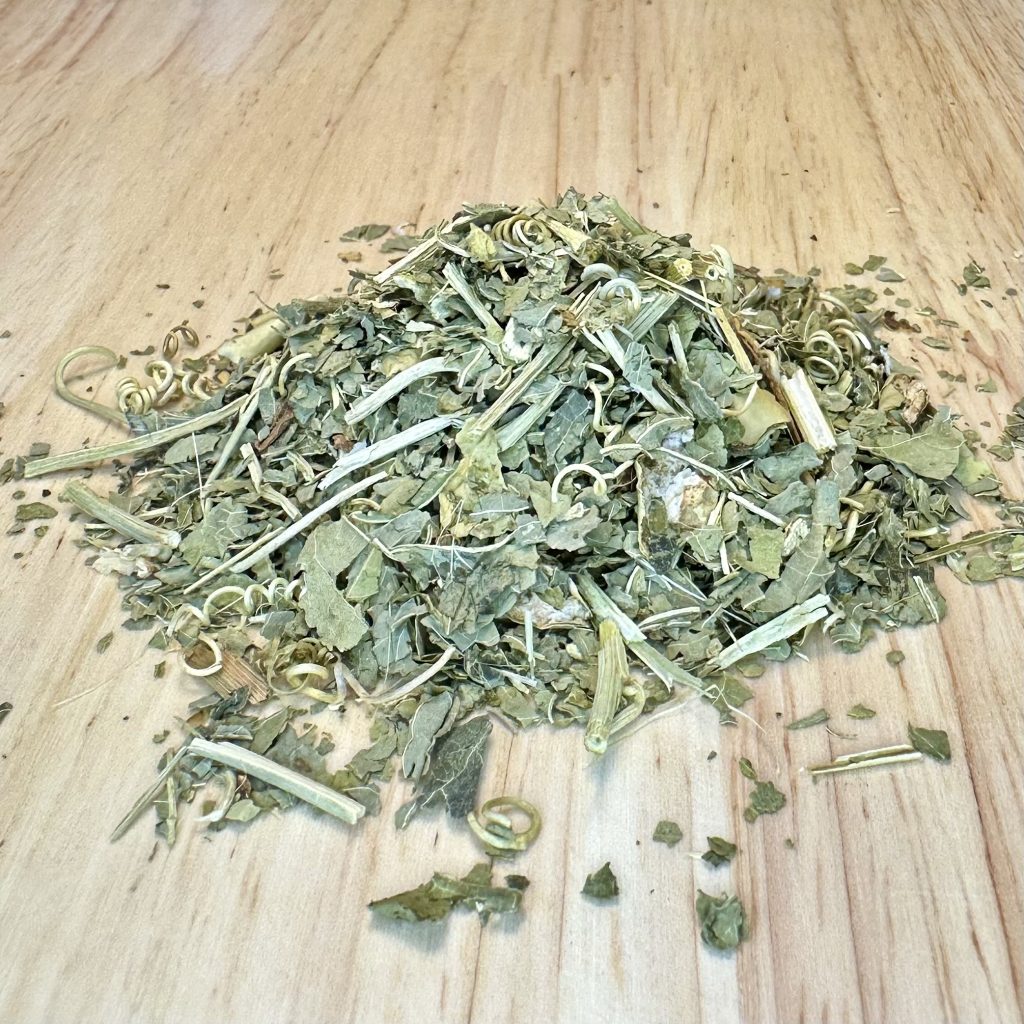
Passionflower (Passiflora incarnata)
Our sourcing partners uphold fair wages, safe working conditions, and inclusive practices that value the hands and hearts behind each harvest.
Every bag supports small-scale growers and the renewal of our soil, our communities, and our connection to the earth.
Native to the southeastern United States, Passionflower has long been used by Indigenous peoples as a calming and pain-relieving herb. European herbalists later adopted it for nervous tension, restlessness, and sleeplessness. Its gentle sedative qualities made it a favorite in traditional formulas for hysteria, anxiety, and circular thoughts, helping to quiet the mind and soothe the spirit.
Current Uses
-
Nervous System Support: Calms nervous tension and promotes relaxation without grogginess.
-
Sleep Aid: Helps ease the transition to sleep, especially for those with racing thoughts.
-
Anxiety Relief: Supports emotional balance during stress and overstimulation.
-
Muscle Relaxant: Eases muscle tightness and spasms associated with nervous tension.
-
Menstrual & PMS Support: Reduces discomfort associated with hormonal or emotional stress.
*To learn more about this plant’s traditional and modern uses, energetics, and potential contraindications, visit our Materia Medica section and search for this herb by name. There, you’ll find detailed notes on safe use and preparation methods.
$4.10

Thyme (Thymus vulgaris)
Our sourcing partners uphold fair wages, safe working conditions, and inclusive practices that value the hands and hearts behind each harvest.
Every bag supports small-scale regenerative growers and the renewal of our soil, communities, and connection to the earth.
Thyme has been used since ancient times by the Greeks, Egyptians, and Romans for its antiseptic and preservative properties. The Greeks used thyme in baths and burned it as incense in temples, believing it to be a source of courage and invigoration. The Egyptians used thyme in embalming practices, while the Romans employed it to purify rooms and as a remedy for poisoning. In the Middle Ages, it was placed under pillows to ward off nightmares and was commonly used to treat coughs and respiratory issues.
Current Uses:
- Respiratory health: Thyme is widely used today to help ease coughs, congestion, and bronchitis due to its expectorant and antimicrobial properties.
- Antimicrobial: The thymol content in thyme makes it a powerful antibacterial and antifungal herb, often used to treat infections both internally and externally.
- Immune support: Thyme is frequently included in immune-boosting teas and tinctures to help the body fight off colds, flus, and viral infections.
- Digestive aid: Thyme’s carminative properties make it helpful for soothing gas, bloating, and indigestion, while stimulating the digestive process.
- Topical use: Thyme oil is used in skincare for its antibacterial and antifungal effects, making it effective for treating acne, wounds, and fungal infections like athlete’s foot.
*To learn more about this plant’s traditional and modern uses, energetics, and potential contraindications, visit our Materia Medica section and search for this herb by name. There, you’ll find detailed notes on safe use and preparation methods.
$10.10
Elder Flower (Sambucus nigra)
Our sourcing partners uphold fair wages, safe working conditions, and inclusive practices that value the hands and hearts behind each harvest.
Every bag supports small-scale U.S. growers and the renewal of our soil, communities, and connection to the earth.
For centuries, Elder has been cherished in European, Indigenous, and folk medicine traditions as a sacred tree of protection and healing. The flowers were commonly used to promote sweating during fevers, ease congestion, and calm inflammation in the respiratory tract. The berries were prized as a nourishing winter remedy to ward off seasonal illnesses, strengthen vitality, and support longevity. Both parts were seen as guardians of balance—helping the body release what it no longer needs while replenishing strength and resilience.
Current Uses
Today, Elder remains one of the most beloved herbs for immune and seasonal wellness.
-
Immune Support: Promotes immune function and helps prevent or shorten colds, flu, and viral infections.
-
Antiviral: Inhibits viral replication and reduces the severity and duration of symptoms.
-
Anti-inflammatory: Helps calm inflammation in mucous membranes and joints.
-
Antioxidant: Protects cells from oxidative stress and supports overall vitality.
-
Respiratory Health: Eases coughs, sinus pressure, and congestion by promoting clear breathing.
*To learn more about this plant’s traditional and modern uses, energetics, and potential contraindications, visit our Materia Medica section and search for this herb by name. There, you’ll find detailed notes on safe use and preparation methods.
$4.90
Feverfew (Tanacetum parthenium)
Our sourcing partners uphold fair wages, safe working conditions, and inclusive practices that value the hands and hearts behind each harvest.
Every bag supports small-scale regenerative growers and the renewal of our soil, communities, and connection to the earth.
Historically, feverfew has been employed since ancient Greek and Roman times for fevers, headaches, menstrual pain, rheumatic conditions, and minor digestive spasms. Its bitter and aromatic nature made it suited for “hot inflammations” and the remedy of the nervous, vascular, and alimentary tracts.
Current Uses:
-
migraine headache prevention and reduction in frequency/severity
-
relief of tension headaches, vascular spasm and nervous-system cramping
-
support for mild digestive upsets, gas and bloating via its bitter carminative action
-
anti-inflammatory adjunct for musculoskeletal tension and period cramps
*To learn more about this plant’s traditional and modern uses, energetics, and potential contraindications, visit our Materia Medica section and search for this herb by name. There, you’ll find detailed notes on safe use and preparation methods.
$5.20