
Sub-Total: $0.00
Botanical Description
Explore our calendar of upcoming events, plant walks, and medicine-making classes.
TCM Perspective
Explore our calendar of upcoming events, plant walks, and medicine-making classes.
Ayurvedic Perspective
Explore our calendar of upcoming events, plant walks, and medicine-making classes.
Spiritual Associations
Explore our calendar of upcoming events, plant walks, and medicine-making classes.
Preparations
Explore our calendar of upcoming events, plant walks, and medicine-making classes.
Cautions
Explore our calendar of upcoming events, plant walks, and medicine-making classes.
Fun Facts
Explore our calendar of upcoming events, plant walks, and medicine-making classes.
Sacred Rituals
Explore our calendar of upcoming events, plant walks, and medicine-making classes.
Affirmations
Explore our calendar of upcoming events, plant walks, and medicine-making classes.
Known Chemical Constituents
Explore our calendar of upcoming events, plant walks, and medicine-making classes.
Chakra Associations
Explore our calendar of upcoming events, plant walks, and medicine-making classes.

Products containing Ingredient Template
Discover our collection of artisanal salves for holistic healing.

Echinacea Flowering Tops (Echinacea purpurea)
Our sourcing partners uphold fair wages, safe working conditions, and inclusive practices that value the hands and hearts behind each harvest.
Every bag supports small-scale regenerative growers and the renewal of our soil, communities, and connection to the earth.
Flowering Tops (Aerial Parts)
Historical Use:
Used fresh as poultices and washes for wounds, bites, and burns. The aerial parts were also made into teas or tinctures for mild infections, fevers, and colds when roots were less available.
Current Uses:
-
Supports early-stage or surface infections (sore throats, mild colds).
-
Encourages local immune activation and tissue repair at mucosal surfaces.
-
Gently stimulates lymphatic drainage and circulation without being overly heating or intense.
-
Excellent for preventive use and maintaining immune resilience over time.
-
Often used in combination with root preparations for a more balanced immune and lymphatic tonic.
-
Flowering tops are energetically lighter and more cooling than the root — suitable for long-term toning.
*To learn more about this plant’s traditional and modern uses, energetics, and potential contraindications, visit our Materia Medica section and search for this herb by name. There, you’ll find detailed notes on safe use and preparation methods.
$4.50
Marshmallow Leaf (Althaea officialis)
Our sourcing partners uphold fair wages, safe working conditions, and inclusive practices that value the hands and hearts behind each harvest.
Every bag supports small-scale regenerative growers and the renewal of our soil, communities, and connection to the earth.
Marshmallow (Althaea officinalis) has been used since ancient times in Greek, Roman, and Middle Eastern medicine for its soothing, moistening, and restorative properties. The whole plant was valued as an emollient — to cool, soften, and heal irritated tissues, both internally and externally. Its high mucilage content made it a cornerstone remedy for inflammation of the digestive, respiratory, and urinary tracts, as well as for burns and wounds.
Leaf (Folia)
Marshmallow Leaf was favored in European and Middle Eastern traditions as a lighter, airier version of the root — used in teas for coughs, bronchitis, and urinary discomfort. It was also used as a cooling compress or poultice for inflamed eyes, wounds, and insect bites.
Current Uses:
-
Respiratory Support: Eases irritation in the lungs and throat; beneficial in dry coughs and mild bronchial inflammation.
-
Urinary & Reproductive Health: Soothes mucosal inflammation in bladder infections or urinary irritation.
-
Digestive Tonic: Calms mild stomach upset and intestinal inflammation, especially in sensitive individuals.
-
Skin & Topical Use: Used as a gentle wash or compress for burns, rashes, or minor wounds; toning and softening to skin.
-
Mucosal Protection: Helps maintain hydration and integrity of mucous membranes in the mouth, throat, and urinary tract.
*To learn more about this plant’s traditional and modern uses, energetics, and potential contraindications, visit our Materia Medica section and search for this herb by name. There, you’ll find detailed notes on safe use and preparation methods.
$3.70
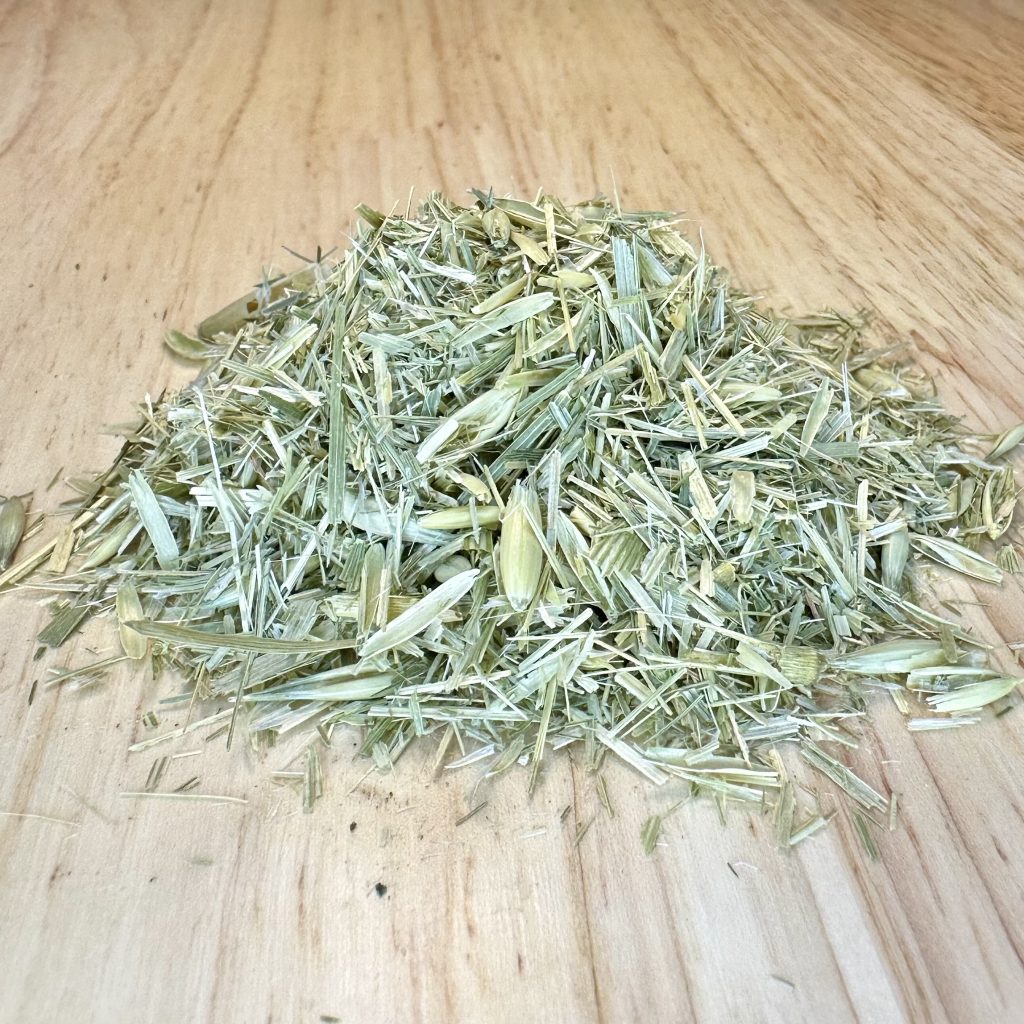
Oatstraw
Our sourcing partners uphold fair wages, safe working conditions, and inclusive practices that value the hands and hearts behind each harvest.
Every bag supports small-scale regenerative growers and the renewal of our soil, communities, and connection to the earth.
USES:
Traditionally used to soothe irritated skin and promote healthy digestion.
Used for centuries in Europe as a nervine to calm anxiety, stress, and nervous exhaustion. Valued as a tonic for restoring strength after illness or times of weakness.
Current Uses:
-
- Widely used to support nervous system health, promoting relaxation and emotional balance.
- Often used in skin care to relieve itching and moisturize dry skin, especially in cases of eczema and irritation.
- Oat straw is taken as a nourishing tonic for overall vitality, particularly after periods of stress or exhaustion.
*To learn more about this plant’s traditional and modern uses, energetics, and potential contraindications, visit our Materia Medica section and search for this herb by name. There, you’ll find detailed notes on safe use and preparation methods.
$2.55
Burdock (Arctium lappa) Root
Our sourcing partners uphold fair wages, safe working conditions, and inclusive practices that value the hands and hearts behind each harvest.
Every bag supports small-scale regenerative growers and the renewal of our soil, communities, and connection to the earth.
Blood Purifier:
Burdock has been traditionally used as a blood purifier due to its ability to detoxify the blood and promote the elimination of toxins through the skin and urinary system. In both Western herbalism and Traditional Chinese Medicine (TCM), it is commonly used to treat skin disorders and improve overall blood circulation.
Skin Health:
Burdock has long been valued for its role in treating skin conditions like eczema, acne, psoriasis, and boils. Its anti-inflammatory and antimicrobial properties make it a popular remedy for clearing up chronic skin problems by addressing internal imbalances and promoting detoxification through the skin.
Liver and Digestive Health:
Burdock root is used as a liver tonic, supporting liver function and improving the body’s natural detoxification processes. In Ayurveda and Western herbalism, it is used to promote digestion, relieve indigestion, and support a healthy balance of gut flora due to its high content of inulin, a prebiotic fiber.
Diuretic:
Burdock has traditionally been used as a diuretic, encouraging the excretion of excess water and toxins through the urine. This makes it effective in treating fluid retention, kidney stones, and urinary tract infections.
Anti-inflammatory:
Due to its potent anti-inflammatory properties, Burdock is used to treat conditions like arthritis and rheumatism, particularly in cases where inflammation causes joint pain and stiffness.
*To learn more about this plant’s traditional and modern uses, energetics, and potential contraindications, visit our Materia Medica section and search for this herb by name. There, you’ll find detailed notes on safe use and preparation methods.
$3.15