
Sub-Total: $0.00
Botanical Description
Explore our calendar of upcoming events, plant walks, and medicine-making classes.
TCM Perspective
Explore our calendar of upcoming events, plant walks, and medicine-making classes.
Ayurvedic Perspective
Explore our calendar of upcoming events, plant walks, and medicine-making classes.
Spiritual Associations
Explore our calendar of upcoming events, plant walks, and medicine-making classes.
Preparations
Explore our calendar of upcoming events, plant walks, and medicine-making classes.
Cautions
Explore our calendar of upcoming events, plant walks, and medicine-making classes.
Fun Facts
Explore our calendar of upcoming events, plant walks, and medicine-making classes.
Sacred Rituals
Explore our calendar of upcoming events, plant walks, and medicine-making classes.
Affirmations
Explore our calendar of upcoming events, plant walks, and medicine-making classes.
Known Chemical Constituents
Explore our calendar of upcoming events, plant walks, and medicine-making classes.
Chakra Associations
Explore our calendar of upcoming events, plant walks, and medicine-making classes.

Products containing Ingredient Template
Discover our collection of artisanal salves for holistic healing.
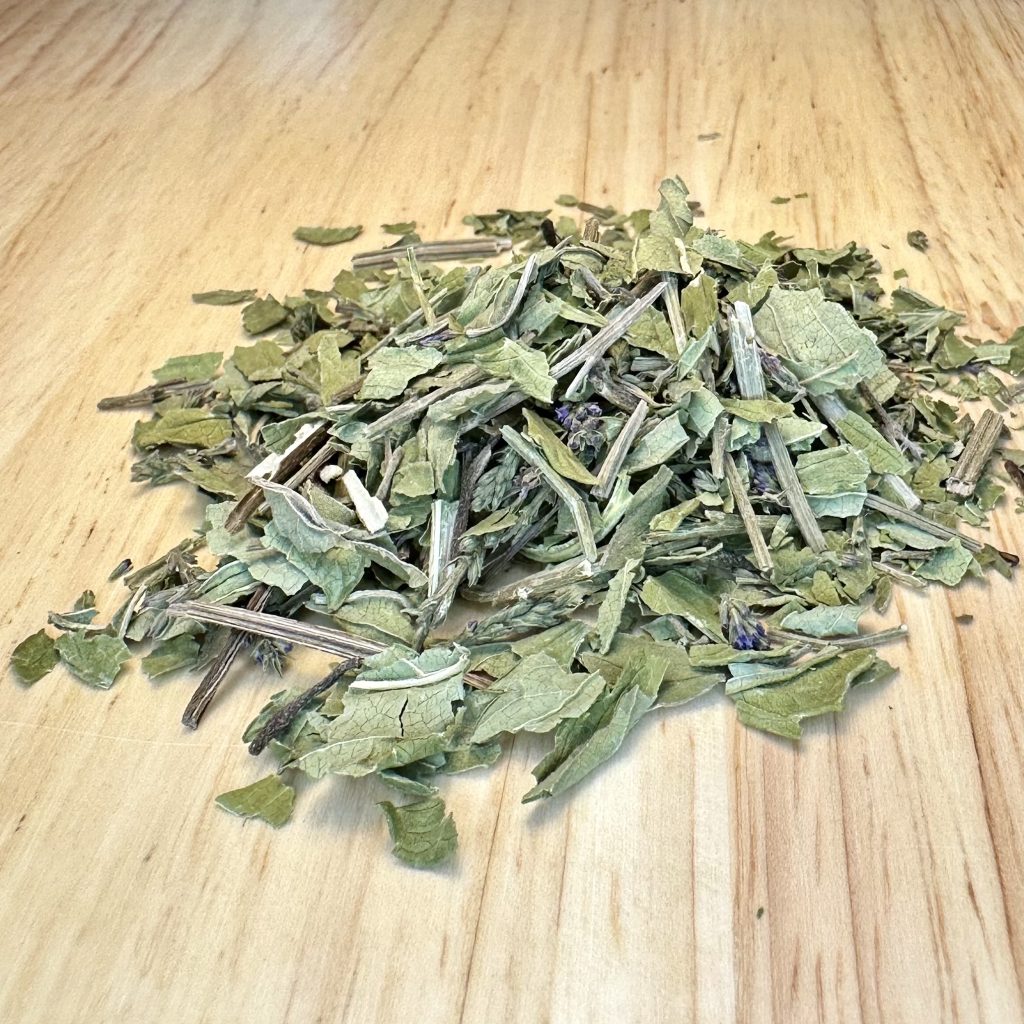
Blue Vervain (Verbena hastata)
Our sourcing partners uphold fair wages, safe working conditions, and inclusive practices that value the hands and hearts behind each harvest.
Every bag supports small-scale regenerative growers and the renewal of our soil, communities, and connection to the earth.
Nervine and Relaxant:
Blue Vervain is commonly used as a nervine to calm the nervous system, helping ease anxiety, nervous tension, and insomnia. It is especially helpful for individuals who tend to carry stress in their body, often leading to restlessness or irritability.
Digestive Aid:
As a bitter herb, it stimulates digestion and supports liver health, helping with sluggish digestion and symptoms related to liver congestion, such as bloating or irritability. It also aids in detoxification by promoting bile flow.
Liver Congestion:
Blue Vervain is traditionally used to help clear liver congestion, making it ideal for people with a sluggish liver or emotional tension that affects the liver. It promotes detoxification and relieves symptoms like irritability and anger caused by liver imbalance.
Male Impotence:
Verbena hastata has been used to relieve male impotence related to nervous tension or stress. It helps reduce stress-induced issues by calming the nervous system and improving the body’s response to tension.
Musculoskeletal Issues and Tension:
Known for relieving muscle tension, Blue Vervain is useful for people with tight neck and shoulder muscles or chronic tension due to stress. It acts as a muscle relaxant, alleviating pain and stiffness often linked to emotional stress.
Immune Support:
Blue Vervain supports the immune system during fevers, colds, and infections. Its febrifuge (reduce fever) properties help reduce fever by promoting sweating, making it beneficial for those experiencing fever alongside stress and tension.
Anti-inflammatory and Pain Relief:
This herb has anti-inflammatory and analgesic properties, making it effective for reducing muscle pain, joint inflammation, and symptoms of rheumatism. It is particularly helpful when these issues are accompanied by nervous tension or stress.
Women’s Health:
Blue Vervain is used to regulate menstrual cycles and relieve menstrual cramps by relaxing the uterine muscles. It is beneficial for those who experience menstrual pain alongside stress or emotional tension.
*To learn more about this plant’s traditional and modern uses, energetics, and potential contraindications, visit our Materia Medica section and search for this herb by name. There, you’ll find detailed notes on safe use and preparation methods.
$4.90
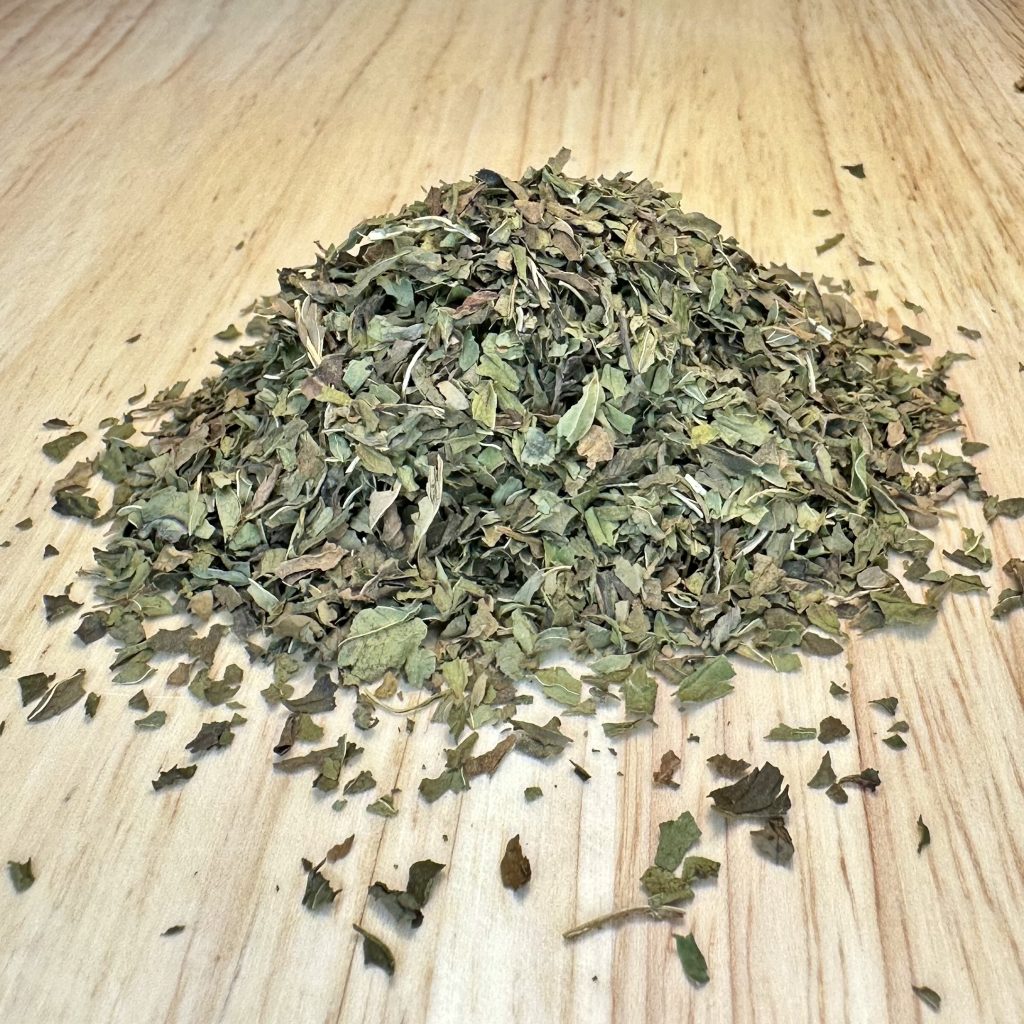
Peppermint (Mentha x piperita)
Our sourcing partners uphold fair wages, safe working conditions, and inclusive practices that value the hands and hearts behind each harvest.
Every bag supports small-scale regenerative growers and the renewal of our soil, communities, and connection to the earth.
Current Uses:
Digestive Aid: Peppermint has long been used to support digestion, reduce bloating, and ease nausea. Its carminative properties help to expel gas, making it a popular remedy for indigestion and IBS (Irritable Bowel Syndrome).
Nervous System Support: Peppermint’s cooling and invigorating effects extend to the nervous system, where it can help alleviate tension headaches, reduce stress, and promote mental clarity. It is used to calm the mind while energizing the body.
Respiratory Health: Traditionally used in steam inhalations, peppermint opens the airways and eases congestion, making it a natural choice for colds, sinus issues, and respiratory discomfort.
Topical Use for Pain Relief: Applied externally, peppermint oil provides a cooling and analgesic effect, often used to relieve muscle pain, tension, and even mild skin irritations. It is commonly found in balms and massage oils for sore muscles.
Antimicrobial Properties: Peppermint contains compounds that exhibit antimicrobial activity, making it useful for addressing mild infections, bad breath, and even oral health when used in mouthwashes.
*To learn more about this plant’s traditional and modern uses, energetics, and potential contraindications, visit our Materia Medica section and search for this herb by name. There, you’ll find detailed notes on safe use and preparation methods.
$7.30
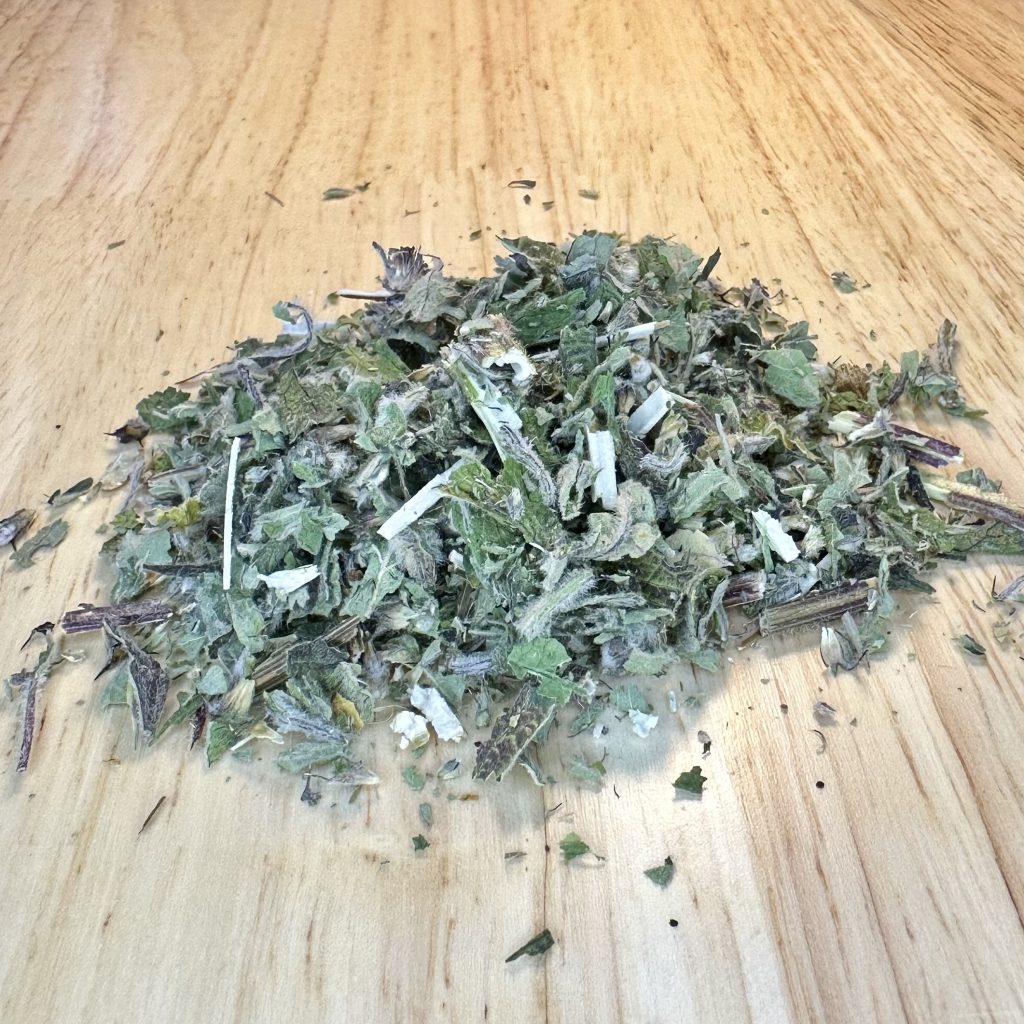
Motherwort (Leonurus cardiaca)
Our sourcing partners uphold fair wages, safe working conditions, and inclusive practices that value the hands and hearts behind each harvest.
Every bag supports small-scale regenerative growers and the renewal of our soil, communities, and connection to the earth.
Historically, motherwort was used to support women’s reproductive health, regulate menstrual cycles, ease cramps, and support childbirth. It was also considered a heart remedy for calming palpitations and mild tachycardia, and for its ability to ease anxiety and nervous tension.
Current Uses: Today, motherwort is valued as a gentle nervine to relieve stress and anxiety, particularly when it affects the heart. It remains popular for menstrual irregularities, emotional stress, and as a general tonic to calm the nervous system.
*To learn more about this plant’s traditional and modern uses, energetics, and potential contraindications, visit our Materia Medica section and search for this herb by name. There, you’ll find detailed notes on safe use and preparation methods.
$4.25
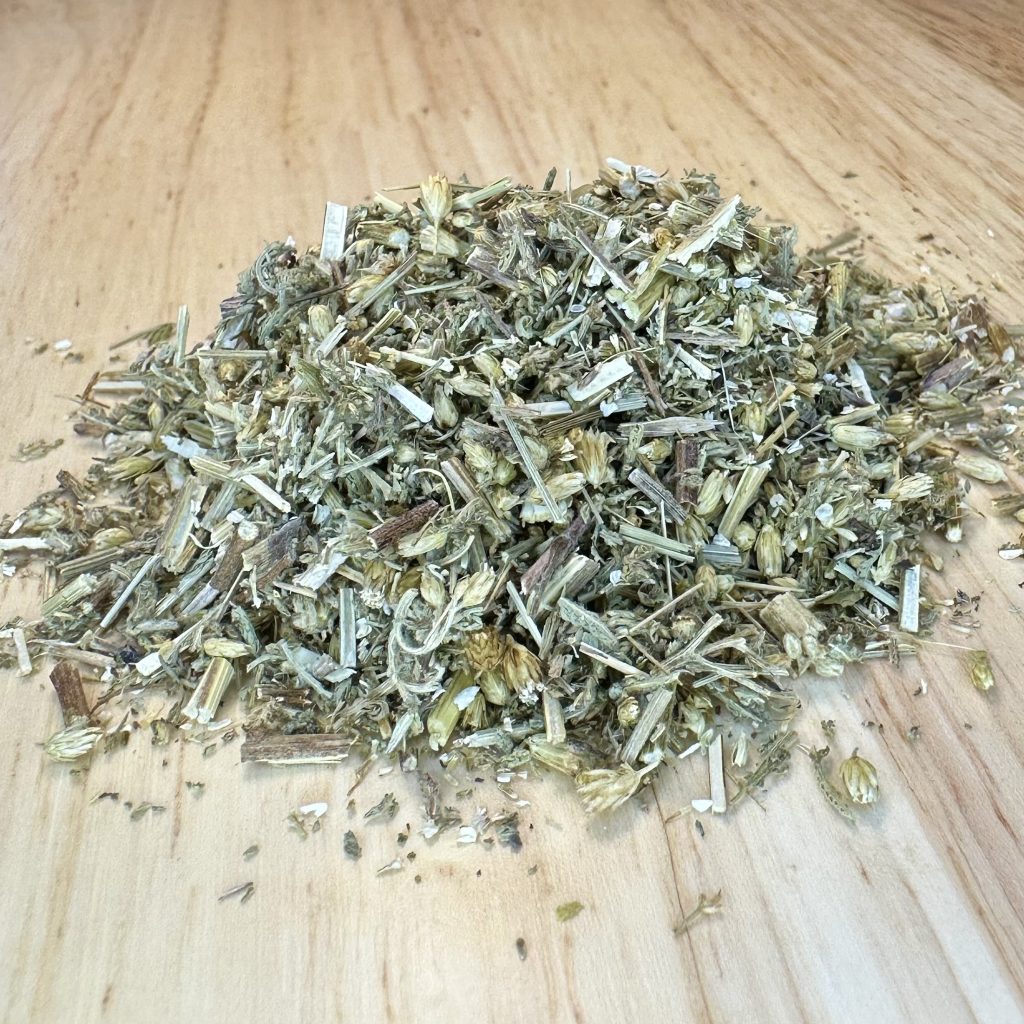
Yarrow (Achillea millefolium)
Our sourcing partners uphold fair wages, safe working conditions, and inclusive practices that value the hands and hearts behind each harvest.
Every bag supports small-scale regenerative growers and the renewal of our soil, communities, and connection to the earth.
USES:
Historical Uses:
Yarrow has been used for millennia by various cultures for its wound-healing and styptic properties. Ancient Greek soldiers reportedly used it on the battlefield to stop bleeding and treat wounds, giving rise to its association with Achilles. Native American tribes also utilized Yarrow for its antiseptic and anti-inflammatory properties, applying it topically to cuts, sores, and insect bites. In European folk medicine, it was used to reduce fevers, support digestion, and treat respiratory conditions. Yarrow was often used as a protective herb in magical practices, believed to ward off evil spirits and negative energy.
Current Uses:
- Wound healing: Yarrow is commonly used as a topical treatment for minor cuts, scrapes, and insect bites, due to its anti-inflammatory, astringent, and antiseptic properties.
- Styptic: Applied externally, Yarrow helps stop bleeding, making it useful for nosebleeds and small injuries.
- Digestive aid: Yarrow can be taken internally to stimulate digestion and relieve indigestion, cramps, and gas.
- Anti-inflammatory: Yarrow’s anti-inflammatory actions help reduce swelling and promote healing in both internal and external applications.
- Fever reduction: Used in teas or tinctures, Yarrow is helpful for promoting sweating and reducing fevers during colds and flu.
- Urinary support: Yarrow acts as a diuretic, supporting kidney function and urinary health.
*To learn more about this plant’s traditional and modern uses, energetics, and potential contraindications, visit our Materia Medica section and search for this herb by name. There, you’ll find detailed notes on safe use and preparation methods.
$4.55