
Sub-Total: $0.00
Botanical Description
Explore our calendar of upcoming events, plant walks, and medicine-making classes.
TCM Perspective
Explore our calendar of upcoming events, plant walks, and medicine-making classes.
Ayurvedic Perspective
Explore our calendar of upcoming events, plant walks, and medicine-making classes.
Spiritual Associations
Explore our calendar of upcoming events, plant walks, and medicine-making classes.
Preparations
Explore our calendar of upcoming events, plant walks, and medicine-making classes.
Cautions
Explore our calendar of upcoming events, plant walks, and medicine-making classes.
Fun Facts
Explore our calendar of upcoming events, plant walks, and medicine-making classes.
Sacred Rituals
Explore our calendar of upcoming events, plant walks, and medicine-making classes.
Affirmations
Explore our calendar of upcoming events, plant walks, and medicine-making classes.
Known Chemical Constituents
Explore our calendar of upcoming events, plant walks, and medicine-making classes.
Chakra Associations
Explore our calendar of upcoming events, plant walks, and medicine-making classes.

Products containing Ingredient Template
Discover our collection of artisanal salves for holistic healing.

Rose petals (Rosa centifolia)
Our sourcing partners uphold fair wages, safe working conditions, and inclusive practices that value the hands and hearts behind each harvest.
Every bag supports small-scale growers and the renewal of our soil, our communities, and our connection to the earth.
Roses have been revered across cultures for their beauty, fragrance, and medicinal virtues. Ancient Persian and Roman physicians used Rosa damascena and Rosa gallica in the preparation of rosewater and rose oil, valued for treating infections, inflammatory skin conditions, and emotional disturbances. Rosa gallica, known as the “Apothecary’s Rose,” became a cornerstone of European herbalism, cultivated for its astringent and tonic effects that supported wound healing, menstrual regularity, and digestive balance.
In North America, Indigenous peoples such as the Coast Salish and other tribes used the rose hips from wild species like Rosa nutkana as a concentrated source of vitamin C—brewed into teas and syrups to strengthen resilience during colds, fevers, and times of nutritional scarcity.
Rose Petals
Current Uses
-
Emotional & Nervous System Support: Soothes the heart and mind, easing grief, sadness, and emotional imbalance. Often used in teas, elixirs, or baths to restore calm and self-compassion.
-
Skin Health: Offers mild astringent and anti-inflammatory actions that tone and calm irritated skin; commonly used in toners, creams, and hydrosols.
-
Digestive Support: Gentle astringency helps relieve diarrhea, intestinal inflammation, and sluggish digestion.
-
Menstrual Health: Traditionally used to regulate menstrual flow, reduce pelvic congestion, and relieve cramping through mild tonifying and nervine effects.
-
Aromatherapeutic Use: The fragrance and volatile oils uplift mood and enhance emotional well-being through gentle stimulation of the parasympathetic nervous system.
*To learn more about this plant’s traditional and modern uses, energetics, and potential contraindications, visit our Materia Medica section and search for this herb by name. There, you’ll find detailed notes on safe use and preparation methods.
$7.15
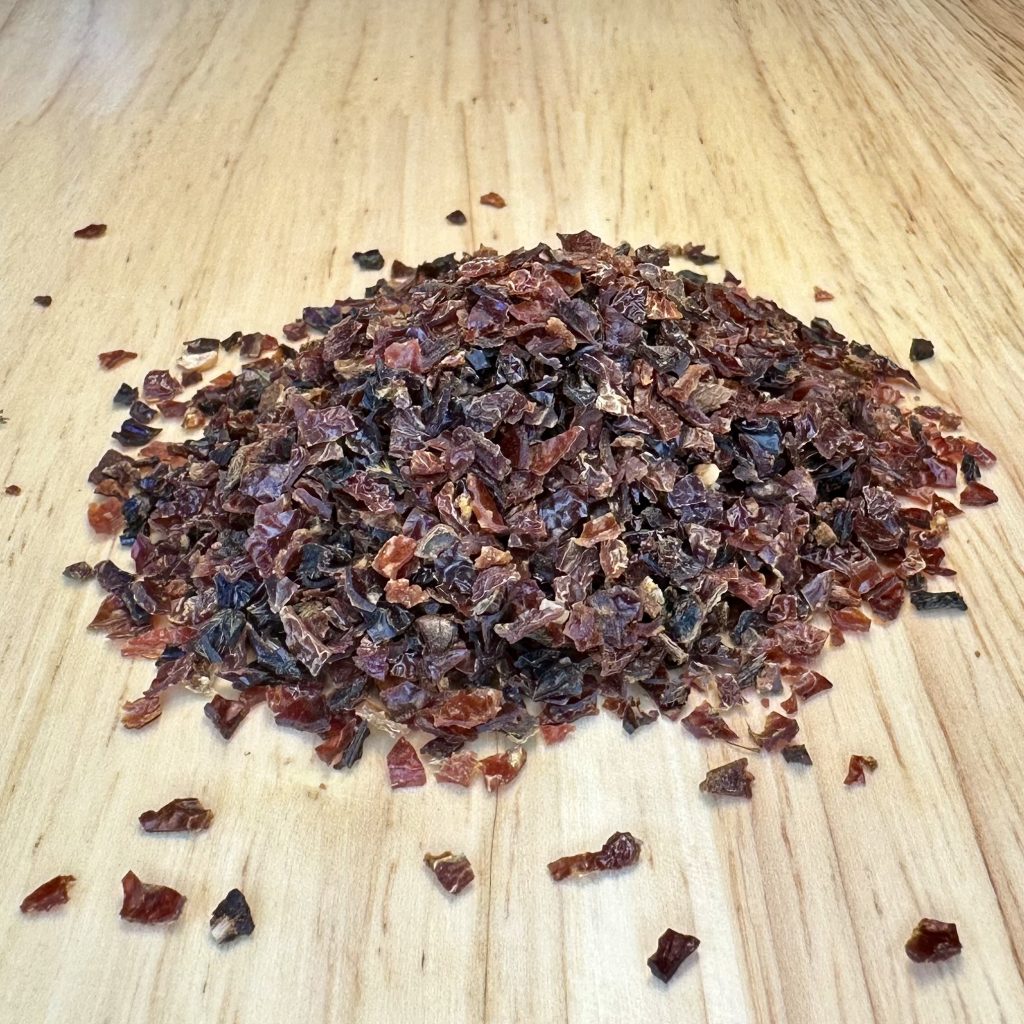
Rose hips (R. canina/ rubiginosa)
Our sourcing partners uphold fair wages, safe working conditions, and inclusive practices that value the hands and hearts behind each harvest.
Every bag supports small-scale growers and the renewal of our soil, our communities, and our connection to the earth.
Roses have been revered across cultures for their beauty, fragrance, and medicinal virtues. Ancient Persian and Roman physicians used Rosa damascena and Rosa gallica in the preparation of rosewater and rose oil, valued for treating infections, inflammatory skin conditions, and emotional disturbances. Rosa gallica, known as the “Apothecary’s Rose,” became a cornerstone of European herbalism, cultivated for its astringent and tonic effects that supported wound healing, menstrual regularity, and digestive balance.
In North America, Indigenous peoples such as the Coast Salish and other tribes used the rose hips from wild species like Rosa nutkana as a concentrated source of vitamin C—brewed into teas and syrups to strengthen resilience during colds, fevers, and times of nutritional scarcity.
Current Uses
-
Immune Support: Rich in natural vitamin C, flavonoids, and carotenoids that enhance immune function and reduce oxidative stress.
-
Antioxidant & Anti-inflammatory: Supports connective-tissue repair, joint comfort, and cardiovascular health.
-
Digestive & Tonic Support: Gently astringent and nourishing, aiding in digestion and recovery after illness.
-
Skin & Collagen Health: Promotes healthy aging and collagen formation through antioxidant activity.
*To learn more about this plant’s traditional and modern uses, energetics, and potential contraindications, visit our Materia Medica section and search for this herb by name. There, you’ll find detailed notes on safe use and preparation methods.
$2.90
Linden Leaf/Flower (Tilia spp.)
Our sourcing partners uphold fair wages, safe working conditions, and inclusive practices that value the hands and hearts behind each harvest.
Every bag supports small-scale growers and the renewal of our soil, our communities, and our connection to the earth.
Linden has been used in European herbal medicine for centuries as a calming and heart-supportive herb. Traditional preparations of the flowers were employed to ease nervous tension, anxiety, and insomnia, and to support emotional balance during periods of grief or stress. It was also used as a mild diaphoretic to reduce fever, as a gentle antispasmodic for digestive and muscular tension, and as a soothing agent for dry or irritated respiratory conditions.
Current Uses
Contemporary clinical and traditional applications recognize linden for its broad-acting nervine and circulatory support.
-
Anxiolytic / Nervine: Calms the nervous system, promoting relaxation and improving sleep quality.
-
Cardiovascular Support: May assist in reducing blood pressure and improving vascular tone through mild vasodilation and relaxation.
-
Digestive Aid: Eases functional digestive symptoms such as bloating, cramping, and indigestion associated with stress.
-
Respiratory Support: Provides demulcent and antitussive effects for dry, spasmodic coughs and upper respiratory irritation.
-
Diaphoretic: Encourages gentle perspiration to aid in the management of fevers and detoxification.
-
Antioxidant Action: Rich in flavonoids and phenolic compounds that protect against oxidative stress and support microcirculatory health.
*To learn more about this plant’s traditional and modern uses, energetics, and potential contraindications, visit our Materia Medica section and search for this herb by name. There, you’ll find detailed notes on safe use and preparation methods.
$5.40
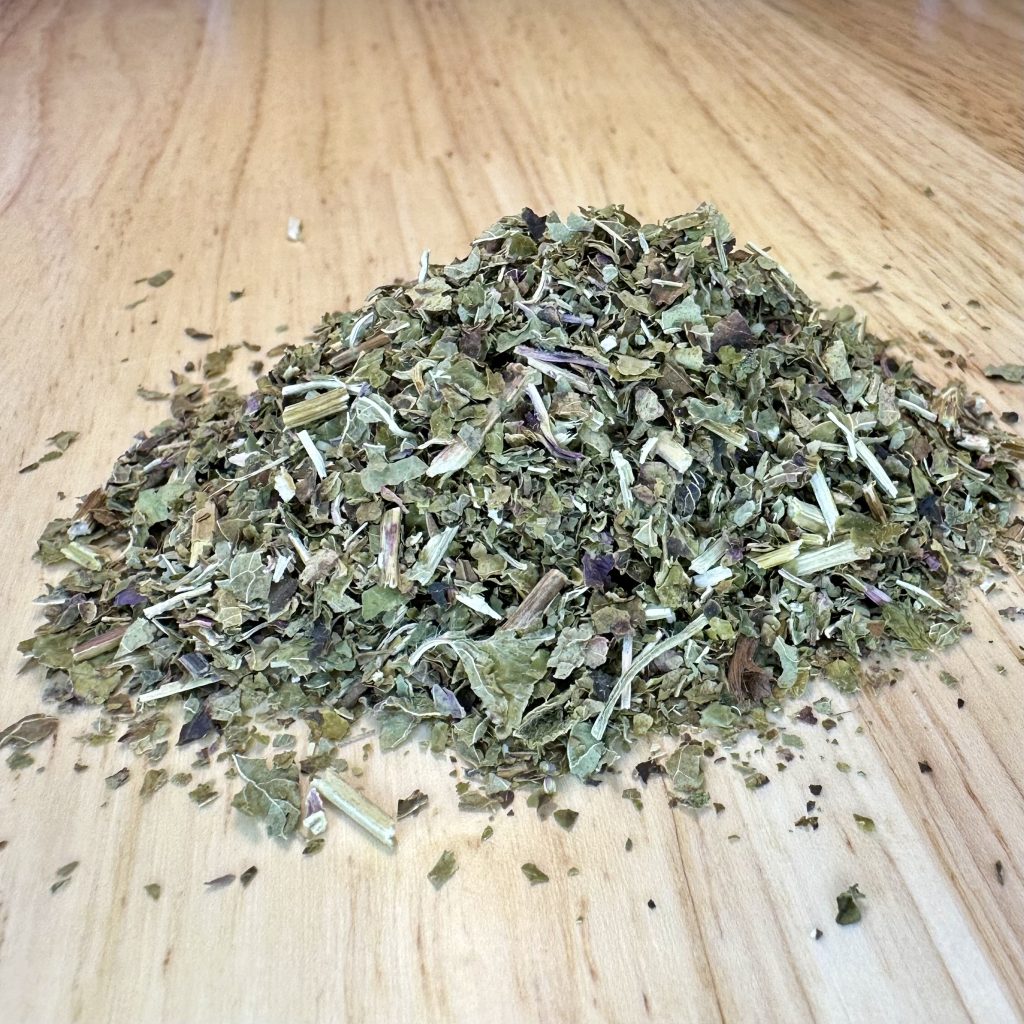
Melissa officinalis (Lemon Balm)
Our sourcing partners uphold fair wages, safe working conditions, and inclusive practices that value the hands and hearts behind each harvest.
Every bag supports small-scale growers and the renewal of our soil, our communities, and our connection to the earth.
For centuries, Lemon Balm has been celebrated in European and Mediterranean herbal traditions as a calming and uplifting herb for the spirit. It was prized by Greek and Roman physicians for easing melancholy and nervous tension, and by medieval monastic herbalists for promoting restful sleep and gentle digestion. Its aromatic, lemony leaves were steeped in teas and tinctures to soothe anxiety, relieve indigestion, and comfort the heart in times of emotional strain.
Current Uses:
-
Anxiety & Mood Support: Helps reduce stress and anxiety while gently uplifting the mood and promoting mental clarity.
-
Digestive Health: Soothes upset stomach, gas, and bloating—especially when symptoms stem from emotional tension.
-
Sleep Aid: Encourages relaxation and supports restorative sleep; often combined with valerian or lavender for synergistic calm.
-
Cognitive Support: Improves focus and concentration while easing overstimulation.
-
Antiviral Action (Topical): Research suggests that Lemon Balm’s antiviral effects—particularly against the herpes simplex virus (HSV-1)—are most pronounced in fresh-plant preparations or high-quality extracts, where volatile oils and polyphenolic compounds like rosmarinic acid and caffeic acid are best preserved. Topical applications made from fresh or recently dried leaves have shown efficacy in reducing the duration and discomfort of cold sores.
*To learn more about this plant’s traditional and modern uses, energetics, and potential contraindications, visit our Materia Medica section and search for this herb by name. There, you’ll find detailed notes on safe use and preparation methods.
$4.25