
Sub-Total: $0.00
Botanical Description
Explore our calendar of upcoming events, plant walks, and medicine-making classes.
TCM Perspective
Explore our calendar of upcoming events, plant walks, and medicine-making classes.
Ayurvedic Perspective
Explore our calendar of upcoming events, plant walks, and medicine-making classes.
Spiritual Associations
Explore our calendar of upcoming events, plant walks, and medicine-making classes.
Preparations
Explore our calendar of upcoming events, plant walks, and medicine-making classes.
Cautions
Explore our calendar of upcoming events, plant walks, and medicine-making classes.
Fun Facts
Explore our calendar of upcoming events, plant walks, and medicine-making classes.
Sacred Rituals
Explore our calendar of upcoming events, plant walks, and medicine-making classes.
Affirmations
Explore our calendar of upcoming events, plant walks, and medicine-making classes.
Known Chemical Constituents
Explore our calendar of upcoming events, plant walks, and medicine-making classes.
Chakra Associations
Explore our calendar of upcoming events, plant walks, and medicine-making classes.

Products containing Ingredient Template
Discover our collection of artisanal salves for holistic healing.

Yellow Dock (Rumex crispus)
Our sourcing partners uphold fair wages, safe working conditions, and inclusive practices that value the hands and hearts behind each harvest.
Every bag supports small-scale regenerative growers and the renewal of our soil, communities, and connection to the earth.
Yellow Dock has been used historically by Indigenous North American peoples and European herbal traditions for a variety of conditions including sluggish digestion, constipation, chronic skin issues, anemia, liver stagnation, and as a blood-cleansing tonic. Its deep yellow root (hence the name) was especially valued as an alterative and mild laxative, supporting detoxification pathways, lymphatic movement, and clearance of old metabolic waste.
Current Uses:
-
Gentle laxative support for sluggish bowel movement and mild constipation.
-
Liver and gallbladder support to stimulate bile flow and support detoxification.
-
Skin support (chronic skin conditions, eczema, acne) and lymphatic cleansing.
-
Support for iron‐deficiency anemia (nutrient rich, supports absorption) and mineral replenishment.
-
Mild diuretic / astringent support for lymphatic and vein health (hemorrhoids, sluggish circulation).
*To learn more about this plant’s traditional and modern uses, energetics, and potential contraindications, visit our Materia Medica section and search for this herb by name. There, you’ll find detailed notes on safe use and preparation methods.
$4.85
Marshmallow (Althaea officinalis) Root
Our sourcing partners uphold fair wages, safe working conditions, and inclusive practices that value the hands and hearts behind each harvest.
Every bag supports small-scale regenerative growers and the renewal of our soil, communities, and connection to the earth.
Uses:
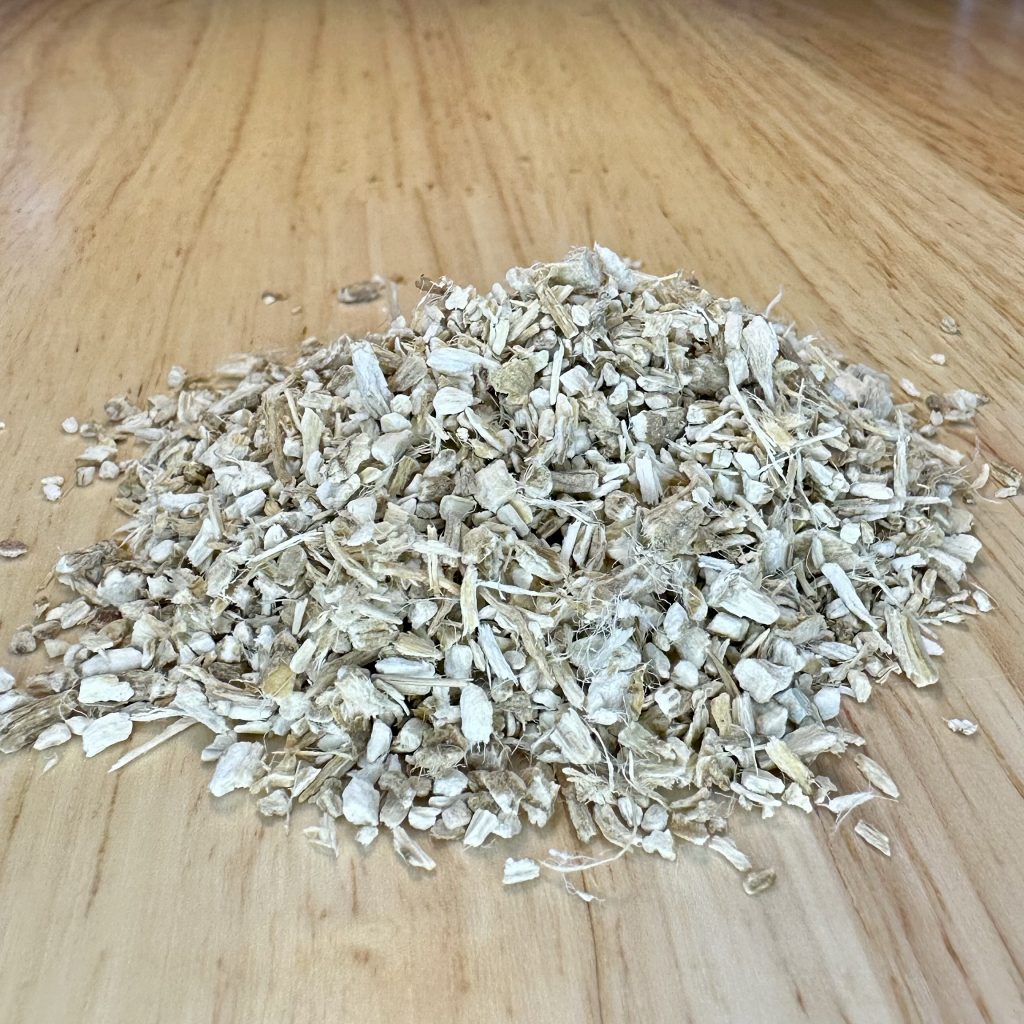
Soothing Digestive Relief: Historically, Marshmallow Root was used in Greek and Roman medicine to treat digestive disorders, including gastritis, ulcers, and indigestion. Its mucilage content made it particularly effective at coating the stomach lining and reducing irritation.
Respiratory Support: In European folk medicine, Marshmallow Root was commonly used as a remedy for coughs, bronchitis, and sore throats. It was brewed into teas or syrups to soothe inflammation in the lungs and throat, reducing dry, persistent coughs.
Topical Applications: Traditionally, Marshmallow Root was used as a poultice or salve to reduce skin inflammation, treat wounds, burns, and insect bites, and to calm eczema or other skin conditions.
Current Uses:
Demulcent for Digestive and Respiratory Health: Today, Marshmallow Root is used primarily for its demulcent properties to treat inflammation of the digestive and respiratory tracts. It is commonly found in herbal teas and cough syrups aimed at treating gastritis, acid reflux, sore throats, and dry coughs.
Urinary Health: Marshmallow is also used in modern herbal medicine to treat bladder infections, urinary tract inflammation, and kidney stones due to its ability to soothe mucous membranes in the urinary system.
Skin Care: The mucilage content of Marshmallow Root makes it a popular ingredient in natural skincare products, used for hydrating and calming irritated skin.
*To learn more about this plant’s traditional and modern uses, energetics, and potential contraindications, visit our Materia Medica section and search for this herb by name. There, you’ll find detailed notes on safe use and preparation methods.
$3.15
California Poppy (Eschscholzia californica)
Our sourcing partners uphold fair wages, safe working conditions, and inclusive practices that value the hands and hearts behind each harvest.
Every bag supports small-scale regenerative growers and the renewal of our soil, communities, and connection to the earth.
Uses:
Nervine and Sedative:
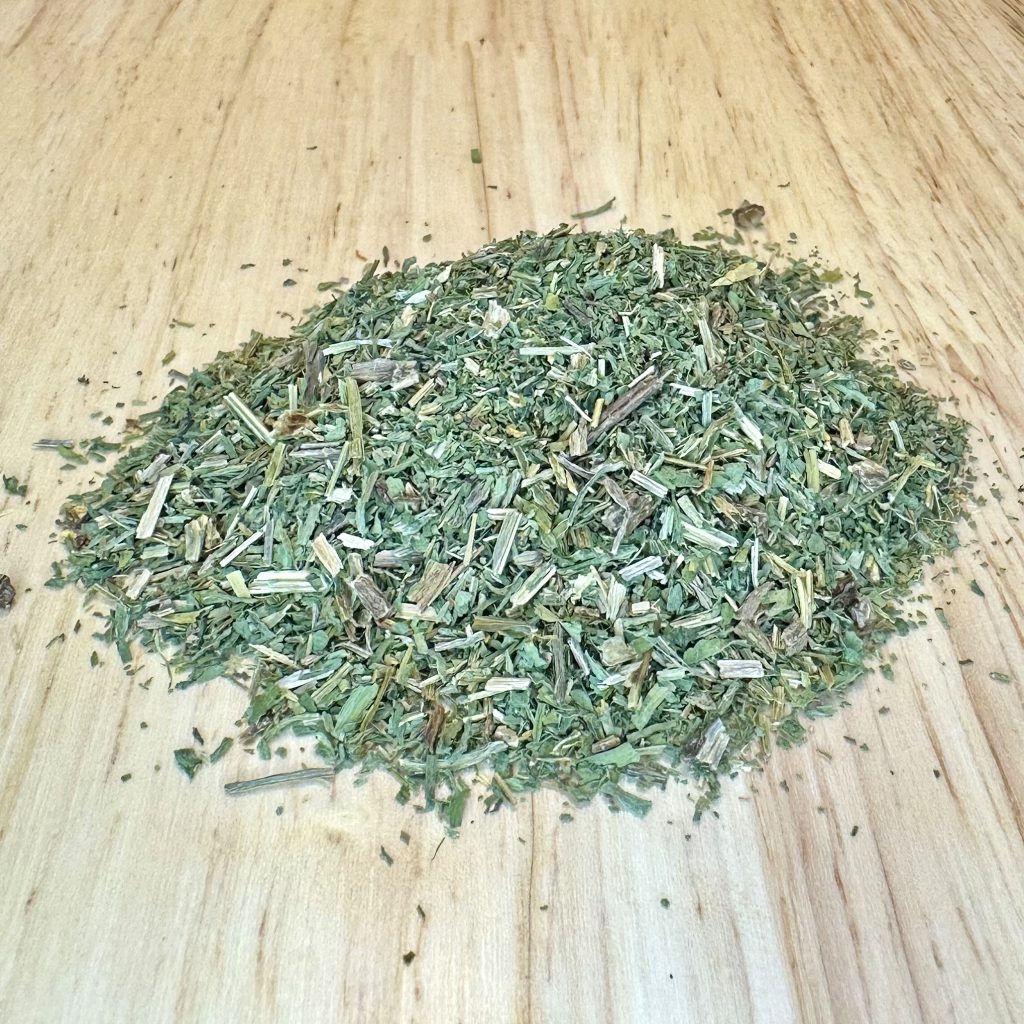
California poppy has been traditionally used as a gentle nervine and sedative to calm the nervous system. It is especially beneficial for people dealing with stress, anxiety, nervous tension, and insomnia. Unlike stronger sedatives, California poppy provides a soothing effect without causing grogginess, making it perfect for those needing to relax while staying alert.
Pain Relief:
In traditional herbal medicine, California poppy has been used as a mild analgesic for relieving pain, particularly in cases of muscle tension, headaches, nerve pain, and neuralgias. It is also effective in treating migraines and stress-related discomfort.
Normalizing Effect:
California poppy is known for its normalizing effect on both physical and psychological symptoms. It helps with issues such as nervous bowel, depression, anxiety, and even hyperactivity in children. This balancing effect on the nervous system makes it a versatile remedy for many types of nervous system imbalances.
Children’s Herb (Sleep, Bedwetting, Colic, and Crankiness):
Because of its gentle nature, California poppy has been safely used for children dealing with sleep disturbances, anxiety, bedwetting (nocturnal enuresis), colic, and crankiness. Its calming effects on the nervous system help promote restful sleep and reduce nighttime anxiety. In some traditions, it has been used to help children relax before bedtime and support nervous system balance, which may reduce bedwetting and colic episodes related to emotional stress or nervousness.
Circular Thoughts:
California poppy is also effective in calming circular thoughts that prevent sleep. For those who struggle with racing minds that loop over anxious or repetitive thoughts, California poppy helps to quiet mental chatter and promote more restful, uninterrupted sleep.
Digestive Support:
California poppy is also used for its effects on the digestive system, particularly when stress or emotional imbalances cause digestive upset. Its relaxing properties can help soothe nervous stomachs and cramps related to anxiety.
*To learn more about this plant’s traditional and modern uses, energetics, and potential contraindications, visit our Materia Medica section and search for this herb by name. There, you’ll find detailed notes on safe use and preparation methods.
$7.00
Anise Hyssop (Agastache foeniculum)
Our sourcing partners uphold fair wages, safe working conditions, and inclusive practices that value the hands and hearts behind each harvest.
Every bag supports small-scale regenerative growers and the renewal of our soil, communities, and connection to the earth.
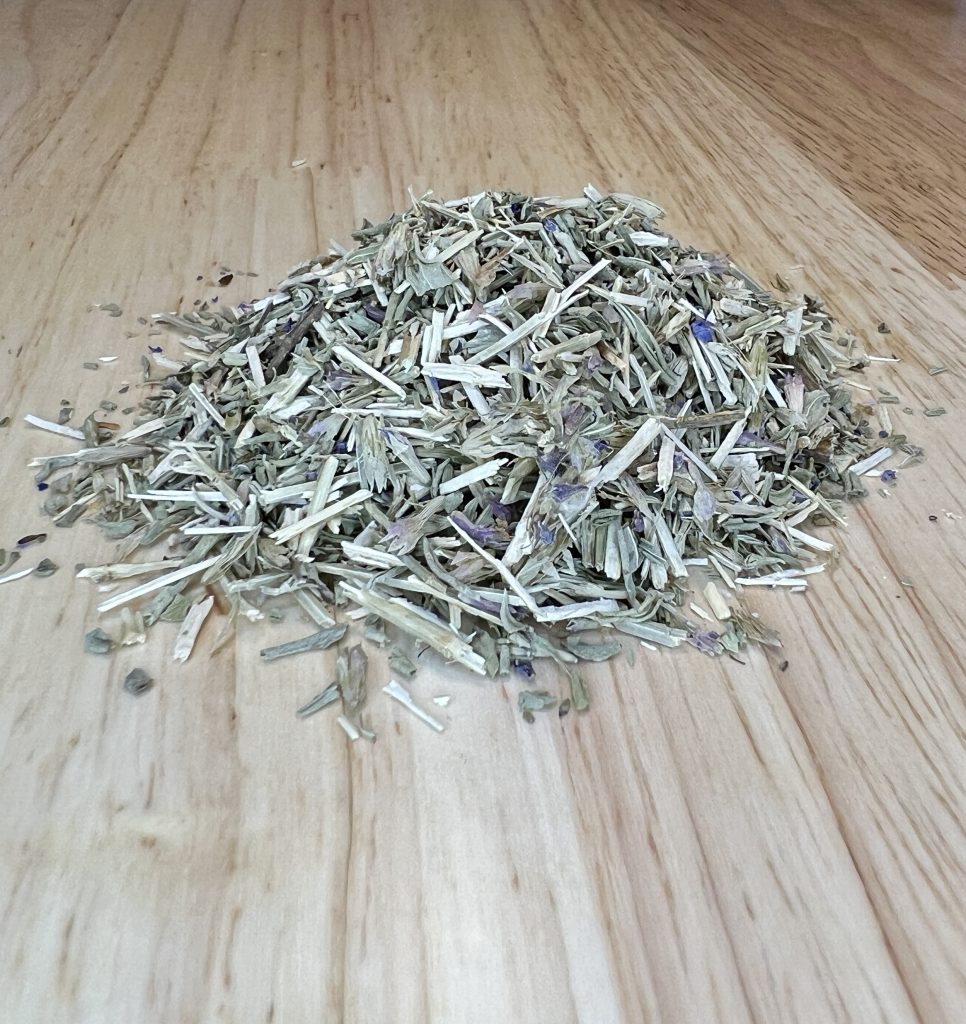
Native to North America, Anise Hyssop was used by Indigenous peoples, including the Cree and other Plains tribes, as both food and medicine. The leaves were brewed into teas for coughs, fevers, and respiratory infections, and also used as a warming digestive aid. Its aromatic nature made it a ceremonial herb, burned as incense to cleanse spaces and lift the spirit. Early settlers adopted it as a soothing tea for colds, mild fevers, and melancholy.
Current Uses:
In modern herbalism, Anise Hyssop is valued as a carminative, expectorant, and mild nervine. The leaves and flowers are used to support digestion, calm nervous tension, and ease mild respiratory congestion. Its pleasant, naturally sweet flavor makes it a favorite in herbal teas for colds, coughs, and stress relief.
Energetically, it uplifts the heart and lightens emotional heaviness, offering both comfort and clarity. Topically, its mild antiseptic properties make it useful in washes or steams for skin health and respiratory clearing.
*To learn more about this plant’s traditional and modern uses, energetics, and potential contraindications, visit our Materia Medica section and search for this herb by name. There, you’ll find detailed notes on safe use and preparation methods.
$5.85