
Sub-Total: $0.00
Discover

Quality Herbal Products
Explore our diverse range of herbal teas, tinctures, salves, supplements, and body care products.

Discover
Herbal
Explore our diverse range of herbal teas, tinctures, salves, supplements, and body care products.
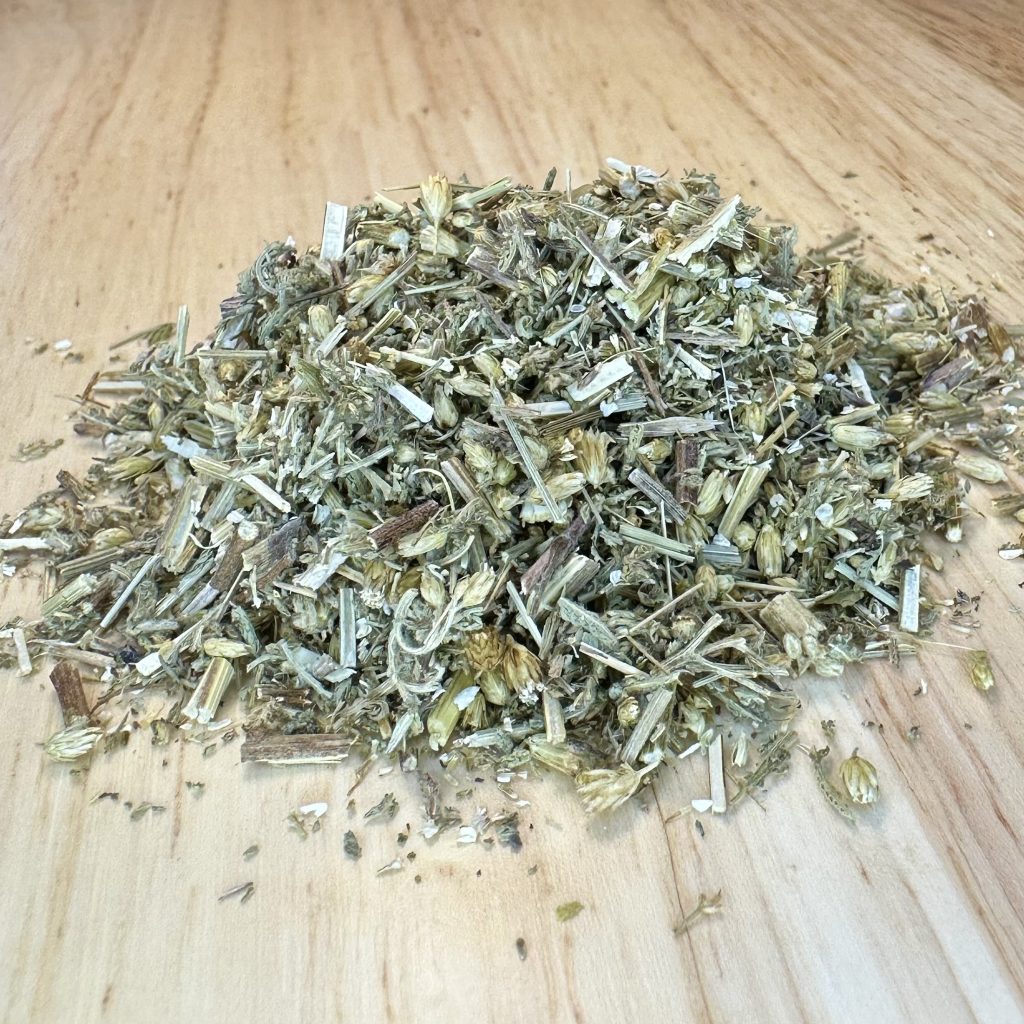
Yarrow (Achillea millefolium)
Our sourcing partners uphold fair wages, safe working conditions, and inclusive practices that value the hands and hearts behind each harvest.
Every bag supports small-scale regenerative growers and the renewal of our soil, communities, and connection to the earth.
USES:
Historical Uses:
Yarrow has been used for millennia by various cultures for its wound-healing and styptic properties. Ancient Greek soldiers reportedly used it on the battlefield to stop bleeding and treat wounds, giving rise to its association with Achilles. Native American tribes also utilized Yarrow for its antiseptic and anti-inflammatory properties, applying it topically to cuts, sores, and insect bites. In European folk medicine, it was used to reduce fevers, support digestion, and treat respiratory conditions. Yarrow was often used as a protective herb in magical practices, believed to ward off evil spirits and negative energy.
Current Uses:
- Wound healing: Yarrow is commonly used as a topical treatment for minor cuts, scrapes, and insect bites, due to its anti-inflammatory, astringent, and antiseptic properties.
- Styptic: Applied externally, Yarrow helps stop bleeding, making it useful for nosebleeds and small injuries.
- Digestive aid: Yarrow can be taken internally to stimulate digestion and relieve indigestion, cramps, and gas.
- Anti-inflammatory: Yarrow’s anti-inflammatory actions help reduce swelling and promote healing in both internal and external applications.
- Fever reduction: Used in teas or tinctures, Yarrow is helpful for promoting sweating and reducing fevers during colds and flu.
- Urinary support: Yarrow acts as a diuretic, supporting kidney function and urinary health.
*To learn more about this plant’s traditional and modern uses, energetics, and potential contraindications, visit our Materia Medica section and search for this herb by name. There, you’ll find detailed notes on safe use and preparation methods.
$4.55

Prickly Ash
Prickly Ash Bark (Zanthoxylum americanum) is a dynamic, warming tonic that encourages movement, clarity, and vitality. Traditionally used by Indigenous peoples and early North American herbalists, it is valued as a circulatory stimulant and nervine tonic — an ally for those who feel sluggish, chilled, or stagnant.
This vibrant bark enlivens the body’s rivers of circulation, stimulating both blood and lymphatic flow. Its gentle tingling on the tongue reflects its activating nature — awakening digestion, supporting healthy warmth, and promoting awareness in the periphery.
Energetically, Prickly Ash embodies the spark of renewal. It helps encourage a sense of warmth and natural circulation throughout the body, restoring aliveness and gentle momentum.
Crafted through a 60% organic cane ethanol extraction, this tincture preserves the bark’s full aromatic and bitter complexity, capturing its ancient wisdom and vital fire.
Dosage
Take 2-4 mL (approximately 20–40 drops) up to three times daily in a small amount of water or directly on the tongue.
Best taken before meals to support circulation and digestion, or as needed when feeling cold or energetically sluggish.
Pairs well with warming teas and practices that move energy — such as walking, breathwork, or gentle stretching.
Cautions
Generally well-tolerated at suggested dosages. Consult a qualified healthcare provider before use if you are:
-
Pregnant or nursing
-
Experiencing acute inflammation or hot, dry conditions
-
Managing gastrointestinal irritation or ulcers
-
Taking medications that affect circulation or blood clotting
Avoid excessive use; Prickly Ash is a stimulating herb best used in moderate amounts.
$25.00
Ashwagandha Root
A deeply restorative adaptogen, Ashwagandha Root (Withania somnifera) has been treasured in Ayurvedic tradition for centuries for its ability to strengthen resilience and restore balance. Known as a “rasayana” or rejuvenative tonic, it supports the body’s natural capacity to adapt to life’s daily stressors and maintain equilibrium across the nervous, endocrine, and immune systems.
This tincture offers a stabilizing, grounding energy — not stimulating, but harmonizing. It helps moderate the body’s stress response, nourishing depleted reserves and supporting healthy adrenal function over time.
Crafted through a 60% organic cane ethanol extraction to preserve its full spectrum of constituents, this formula embodies the adaptogenic principle described by herbalist David Winston: to normalize rather than force, to strengthen rather than overstimulate, and to build vitality that endures.
Like the resilient root itself, Ashwagandha invites you to slow your rhythm, find your center, and cultivate calm strength from within.
Dosage
Take 2–4 mL (approximately 40–80 drops) up to three times daily in a small amount of water or directly on the tongue.
Best taken consistently over time for cumulative benefit, particularly during periods of emotional strain, fatigue, or high output.
Pairs well with restorative practices such as breathwork, yoga nidra, journaling, or quiet moments in nature.
Cautions
Generally well-tolerated. Consult a qualified healthcare provider before use if you are:
-
Pregnant or nursing
-
Sensitive to plants in the nightshade (Solanaceae) family
-
Managing hemochromatosis (excess iron) or hyperthyroid conditions
-
Taking sedatives or thyroid medications
Discontinue use if any adverse effects occur.
$25.00
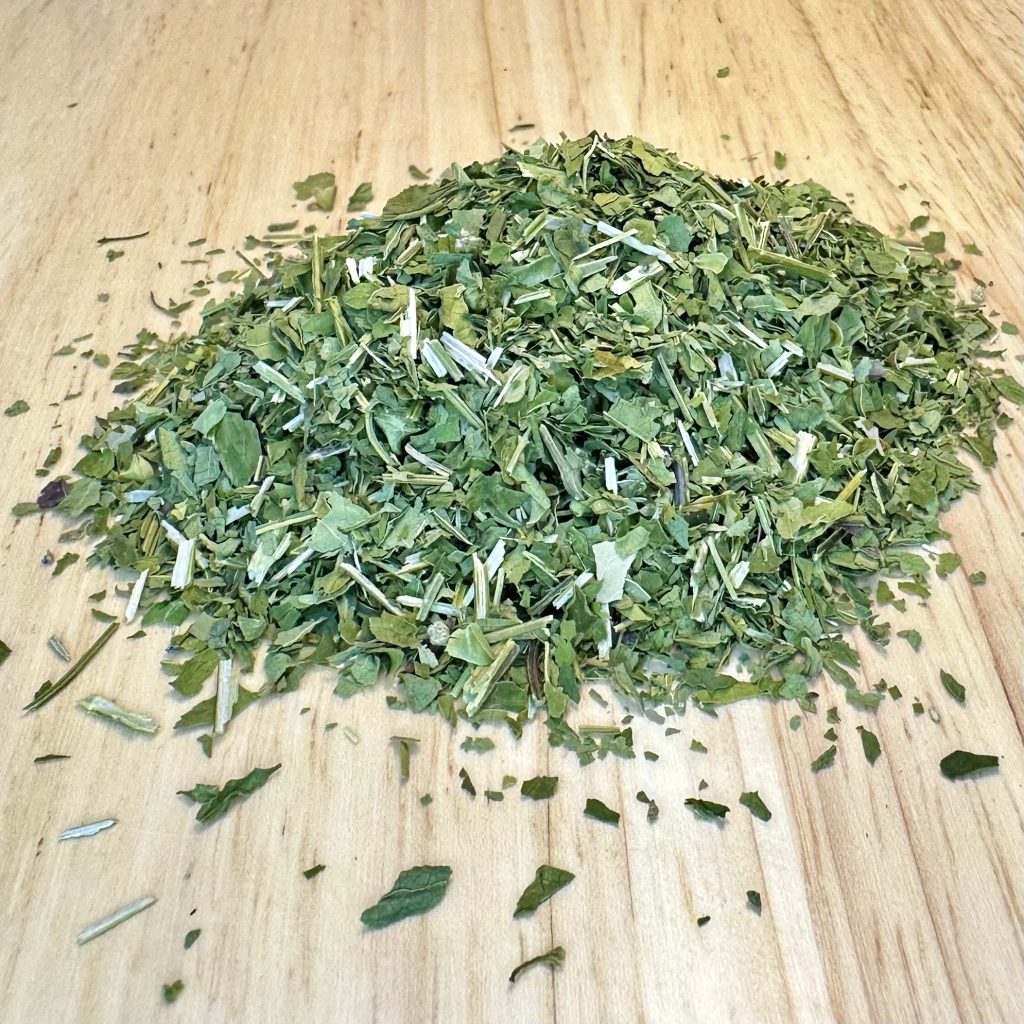
Skullcap (Scutellaria lateriflora)
Historical Uses:
Skullcap has a long history of use by Native American tribes for its calming effects on the nervous system, particularly in cases of anxiety and nervous tension. It was also used in early American medicine for treating conditions such as hysteria, rabies, and convulsions—which is how it earned the nickname Mad Dog Skullcap. Historically, it was often given to individuals suffering from nervous disorders to soothe the mind and promote sleep.
Current Uses:
- Nervous system support: Skullcap is widely used today to address anxiety, stress, and nervous tension. It is known for its ability to calm frazzled nerves without causing drowsiness.
- Sleep aid: While not as sedative as other herbs, Skullcap is often used as a mild sleep aid, particularly for individuals whose insomnia is caused by overthinking or mental stress.
- Headache relief: Skullcap is also used to relieve tension headaches, especially those associated with stress or emotional overwhelm.
- Muscle relaxation: Known for its antispasmodic properties, Skullcap can help relieve muscle tension and spasms, making it beneficial for muscular pain or cramps.
Want to learn more? Visit our Materia Medica section and search for this herb to explore its history, uses, energetics, and more.
$8.05
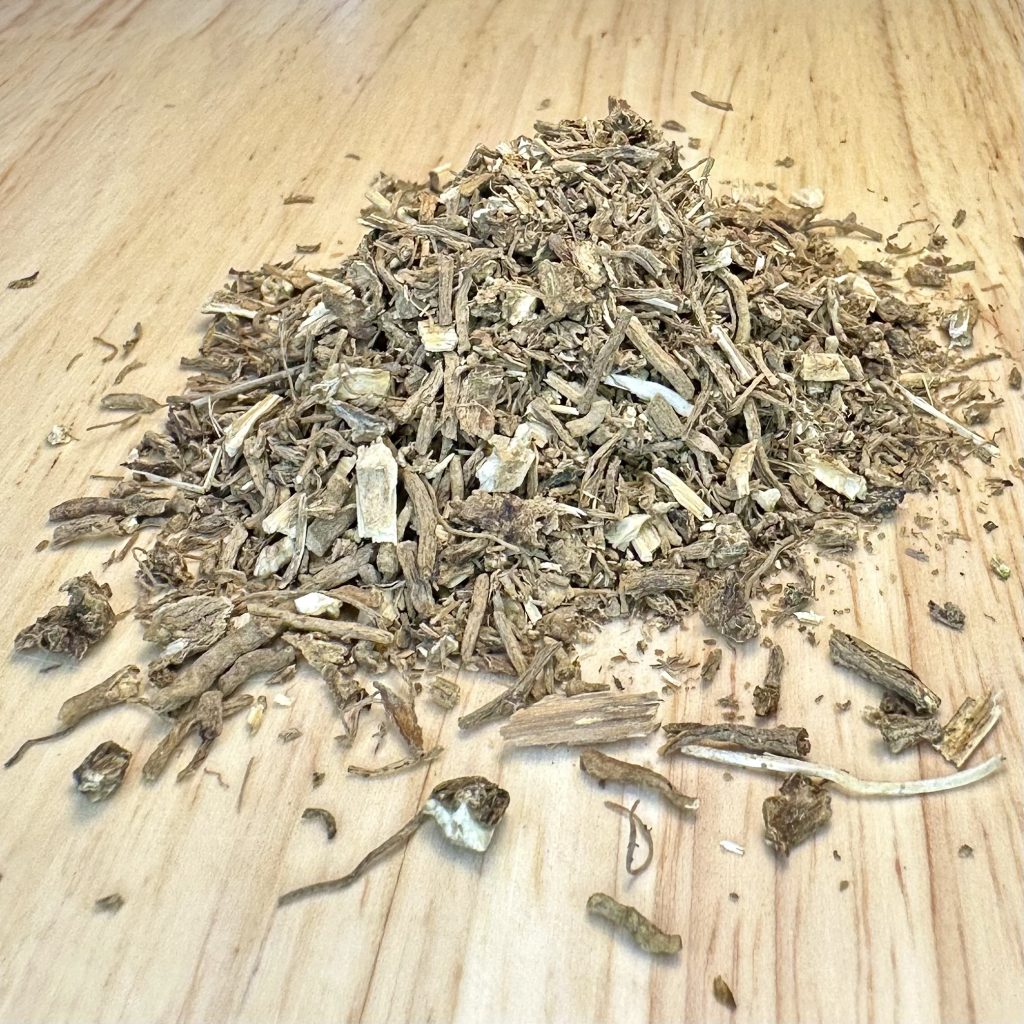
Valerian Root (Valeriana officinalis)
Historical Uses:
Valeriana officinalis has been used since ancient Greece and Rome as a nervine tonic, where it was prescribed for anxiety, insomnia, and nervous disorders. In medieval Europe, it was often called “All-Heal” for its versatile uses in treating wounds, pain, and restlessness. Valeriana sitchensis, on the other hand, was traditionally used by indigenous peoples of the Pacific Northwest for calming the mind, treating fevers, and enhancing dreams during spiritual rituals.
Current Uses:
- Valeriana officinalis: Widely used as a powerful sleep aid, this species is known for addressing insomnia, restlessness, and anxiety. Its fast-acting effects make it a favorite in herbal sleep and anxiety formulas.
- Valeriana sitchensis: A more gentle alternative, often used for mild anxiety, tension headaches, and to soothe the nervous system without the stronger sedative effects of V. officinalis. It is also valued in spiritual practices for its ability to enhance dreamwork and support emotional clarity.
Want to learn more? Visit our Materia Medica section and search for this herb to explore its history, uses, energetics, and more.
$7.85
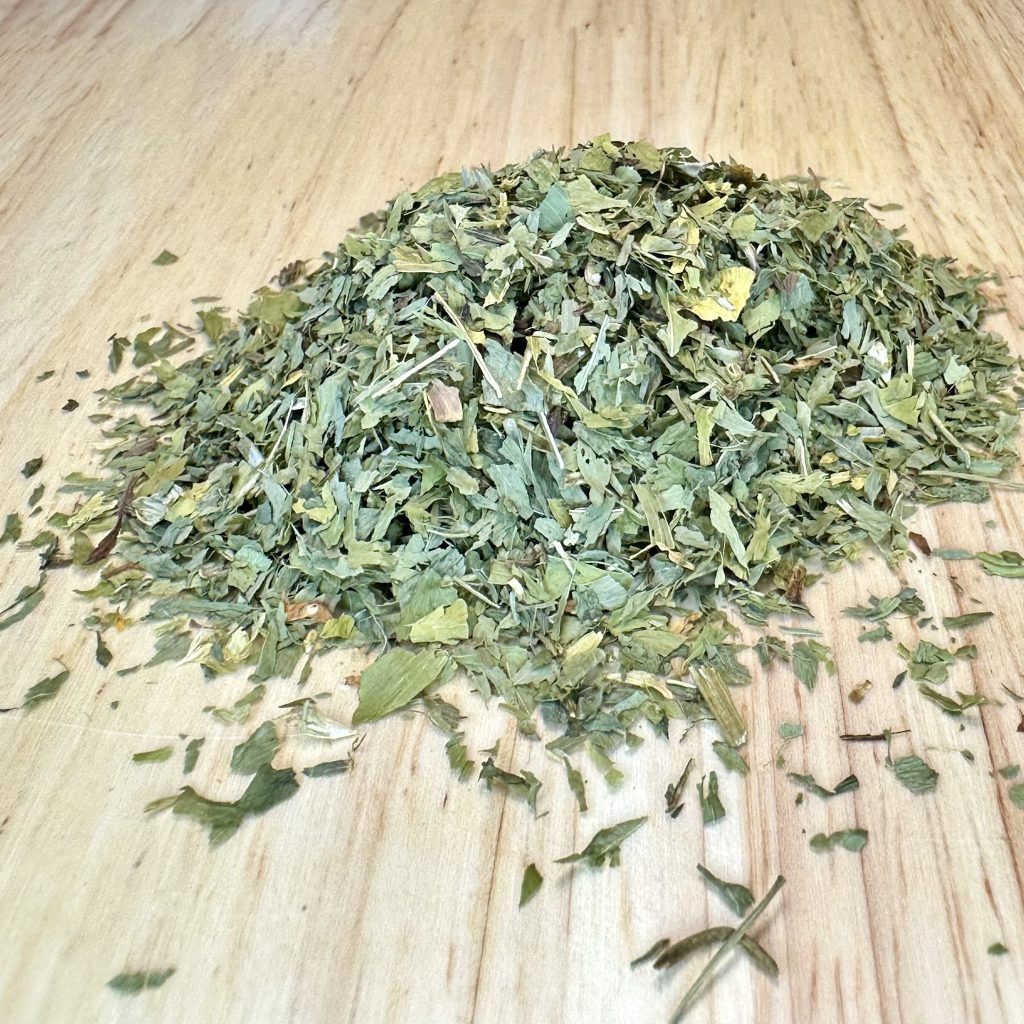
Red Clover (Trifolium pretense)
Historical Use:
Red clover has long been regarded in European and folk herbal traditions as a “blood purifier” and lymphatic tonic. Herbalists used the blossoms as an alterative to support the body’s natural detoxification processes, promote clearer skin, and ease stubborn, lingering congestion. The plant was also valued as a gentle expectorant to relieve coughs and bronchial irritation. Topically, poultices made from red clover were used to soothe rashes, eczema, and wounds.
Current Uses:
Today, red clover is most widely recognized for its phytoestrogenic properties. Isoflavones found in the blossoms have been studied for their ability to modulate estrogen activity, making red clover a common choice for easing menopausal symptoms such as hot flashes, night sweats, and mood swings.
Red clover also remains an important herb for lymphatic and “blood-cleansing” support in contemporary herbalism, used to promote healthy skin and gentle detoxification. It is sometimes included in formulations for chronic skin conditions, sluggish lymphatic flow, or recovery from long illness.
In cardiovascular health, red clover’s isoflavones have shown potential for improving vascular elasticity and supporting healthy lipid profiles, though research is mixed. Some practitioners also recommend red clover extracts for supporting bone density in postmenopausal women.
Respiratory uses continue today, with red clover being taken as a tea or syrup to support cough relief and promote the expectoration of mucus. Topically, it is used in salves, washes, and poultices to calm inflammatory skin conditions and support wound healing.
Learn More:
Want to explore more about energetics, history and more? Visit our Materia Medica section and search for this herb to deepen your understanding.
$4.15
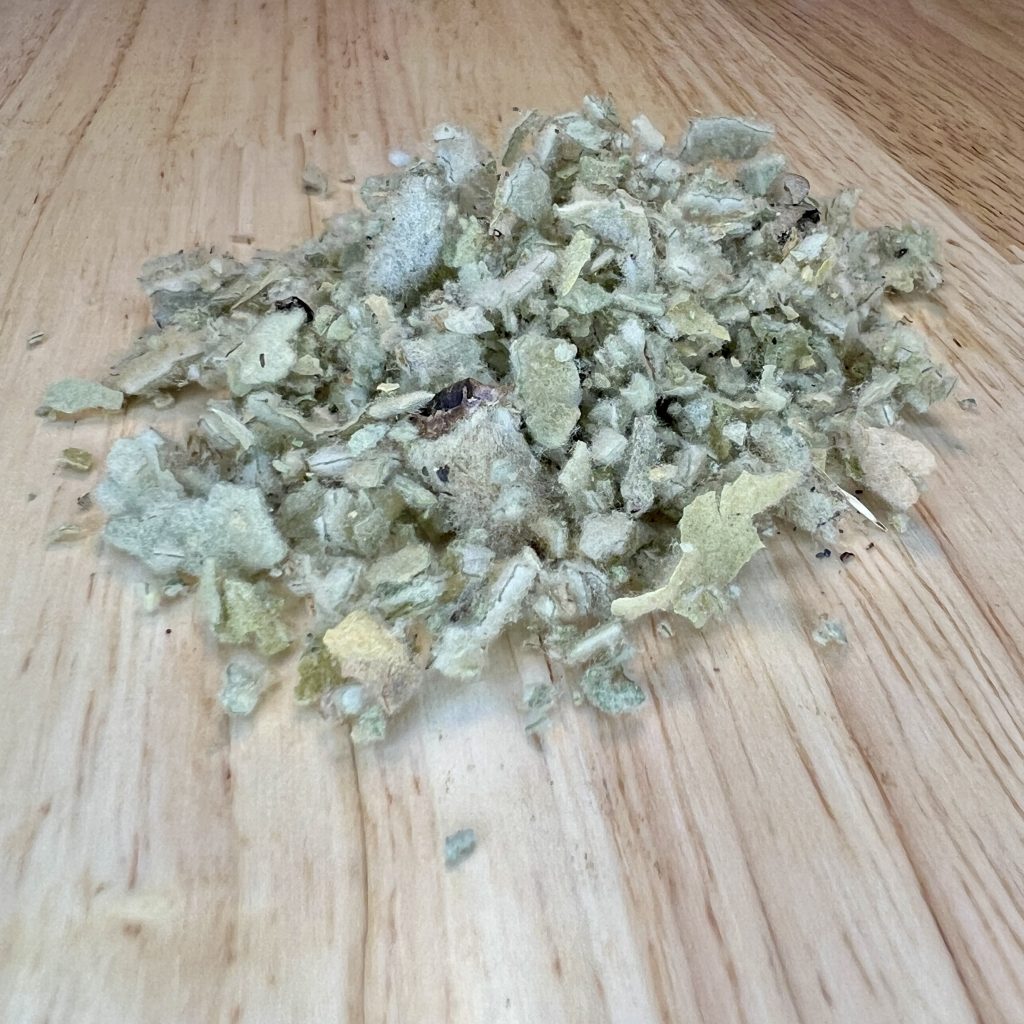
Mullein Leaf (Verbascum thapsus)
Historical Use:
Mullein has a long history of use in European folk medicine and among many Native American nations as a soothing herb for the lungs. The leaves and flowers were commonly brewed as a tea or smoked to ease coughs, bronchitis, and asthma. The plant’s soft, velvety leaves were applied as poultices to calm inflammation and promote healing of burns, wounds, and skin irritations. Mullein flowers were traditionally infused into oil to relieve earaches and reduce pain and swelling in the ear.
Current Uses:
Mullein remains a popular respiratory remedy. Its expectorant and demulcent properties help thin and move mucus, making coughs more productive and easing breathing during colds, bronchitis, and other congestive conditions. Teas, tinctures, and syrups are frequently used to soothe sore throats and support overall lung health.
Externally, mullein is applied in infused oils, poultices, and compresses to calm irritation, reduce inflammation, and assist with wound healing. Mullein flower oil continues to be a staple in ear drop preparations to ease ear discomfort and support a healthy inflammatory response.
Beyond respiratory and topical uses, mullein is sometimes used to soothe irritated mucous membranes in the digestive tract and gently support elimination when there is dryness or inflammation.
Learn More:
Want to explore more about energetics, history and more? Visit our Materia Medica section and search for this herb to deepen your understanding.
$4.05
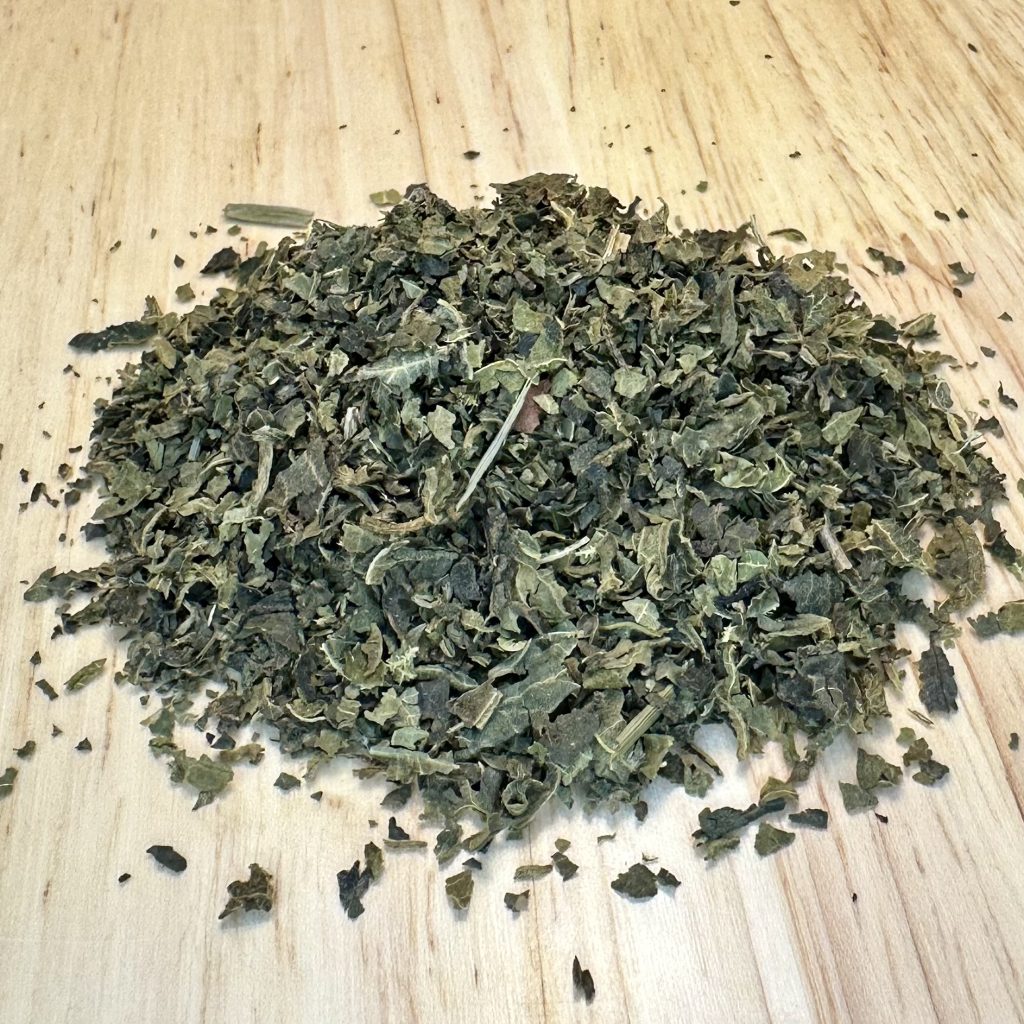
Nettle Leaf (Urtica dioica)
Our sourcing partners uphold fair wages, safe working conditions, and inclusive practices that value the hands and hearts behind each harvest.
Every bag supports small-scale regenerative growers and the renewal of our soil, communities, and connection to the earth.
Nettle has a long tradition of use across Europe and Asia as a strengthening spring tonic, valued for its ability to “cleanse the blood” and restore vitality after the winter months. Fresh nettles were sometimes used for urtication — intentionally brushed on the skin — to stimulate circulation and relieve joint pain or stiffness.
Current Uses:
Nettle leaf is now widely recognized as a nutrient-rich herb, abundant in vitamins A, C, K, and minerals such as calcium, magnesium, and iron. The leaf is taken as tea, infusion, or food to replenish nutrients, support general health, and gently build strength. Its anti-inflammatory actions make it a key ally for easing arthritis, joint pain, and muscle soreness. Many herbalists recommend nettle leaf for reducing seasonal allergies and supporting clear, healthy breathing, likely due to its influence on histamine pathways.
Nettle leaf is also used to encourage healthy kidney and urinary function and is considered mildly diuretic, supporting the removal of excess fluids. Externally and internally, nettle leaf has been used to support healthy skin and hair, helping reduce dandruff, strengthen hair, and soothe skin conditions such as eczema.
Nettle root is distinct in its action, most notably used to support urinary flow and prostate health in cases of benign prostatic hyperplasia (BPH). It is also considered mildly astringent and has been traditionally used to address excessive bleeding.
Nettle seed is prized as a nutritive tonic, rich in fatty acids and micronutrients. Contemporary herbalists use nettle seed as a rejuvenative herb, sometimes referred to as an adaptogen, to support energy, endurance, and overall vitality.
*To learn more about this plant’s traditional and modern uses, energetics, and potential contraindications, visit our Materia Medica section and search for this herb by name. There, you’ll find detailed notes on safe use and preparation methods.
$5.60
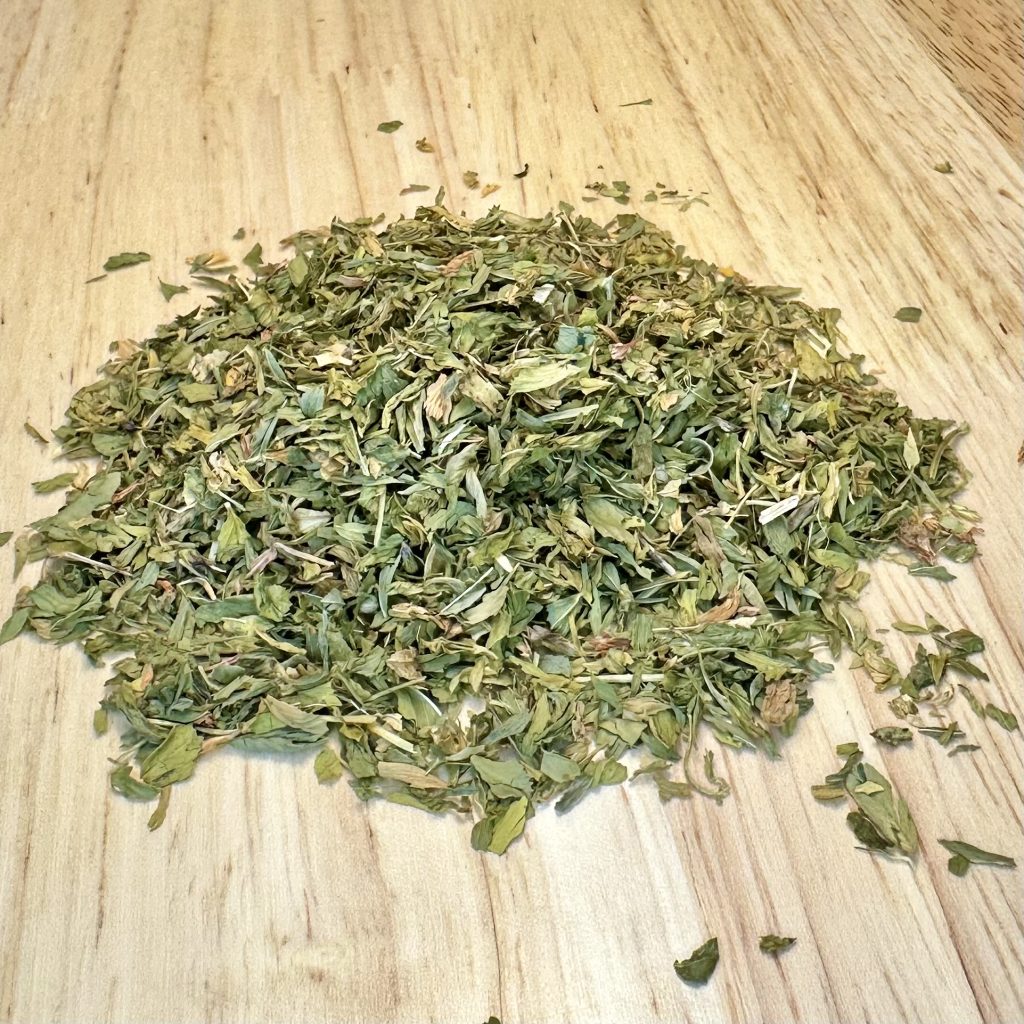
Alfalfa (Medicago sativa)
Our sourcing partners uphold fair wages, safe working conditions, and inclusive practices that value the hands and hearts behind each harvest.
Every bag supports small-scale regenerative growers and the renewal of our soil, communities, and connection to the earth.
Alfalfa (Medicago sativa) has a long history of use as a nourishing tonic. Traditional herbalists valued it as a “food herb” to help restore strength, vitality, and general health. Its leaves were often prepared as a tea or eaten fresh to support recovery from illness and improve nutritional status.
Current Uses:
Nutritional Support: Alfalfa is rich in vitamins A, C, E, and K, and minerals such as calcium, magnesium, potassium, and iron. Today, it is used as a nutrient-dense infusion to help replenish minerals and support overall wellness.
Digestive Health: Alfalfa has been used to stimulate appetite and ease digestion, supporting conditions like mild gastritis, bloating, and sluggish digestion.
Anti-inflammatory Support: The leaves contain compounds with mild anti-inflammatory properties, traditionally used to reduce discomfort from arthritis, joint pain, and muscle soreness.
Blood and Organ Support: Alfalfa is still regarded by herbalists as a “blood purifier,” believed to support healthy liver and kidney function, aiding in detoxification and promoting clearer skin and better overall vitality.
Hormonal Support: Due to its natural phytoestrogen content, alfalfa is used in modern herbalism to help support women experiencing menopausal symptoms such as hot flashes or irregular cycles.
Diuretic: Alfalfa may gently increase urine flow, helping to relieve water retention and support urinary tract health.
Cardiovascular Health: Modern research and tradition both support the use of alfalfa to help manage cholesterol levels and maintain healthy circulation.
*To learn more about this plant’s traditional and modern uses, energetics, and potential contraindications, visit our Materia Medica section and search for this herb by name. There, you’ll find detailed notes on safe use and preparation methods.
$2.25
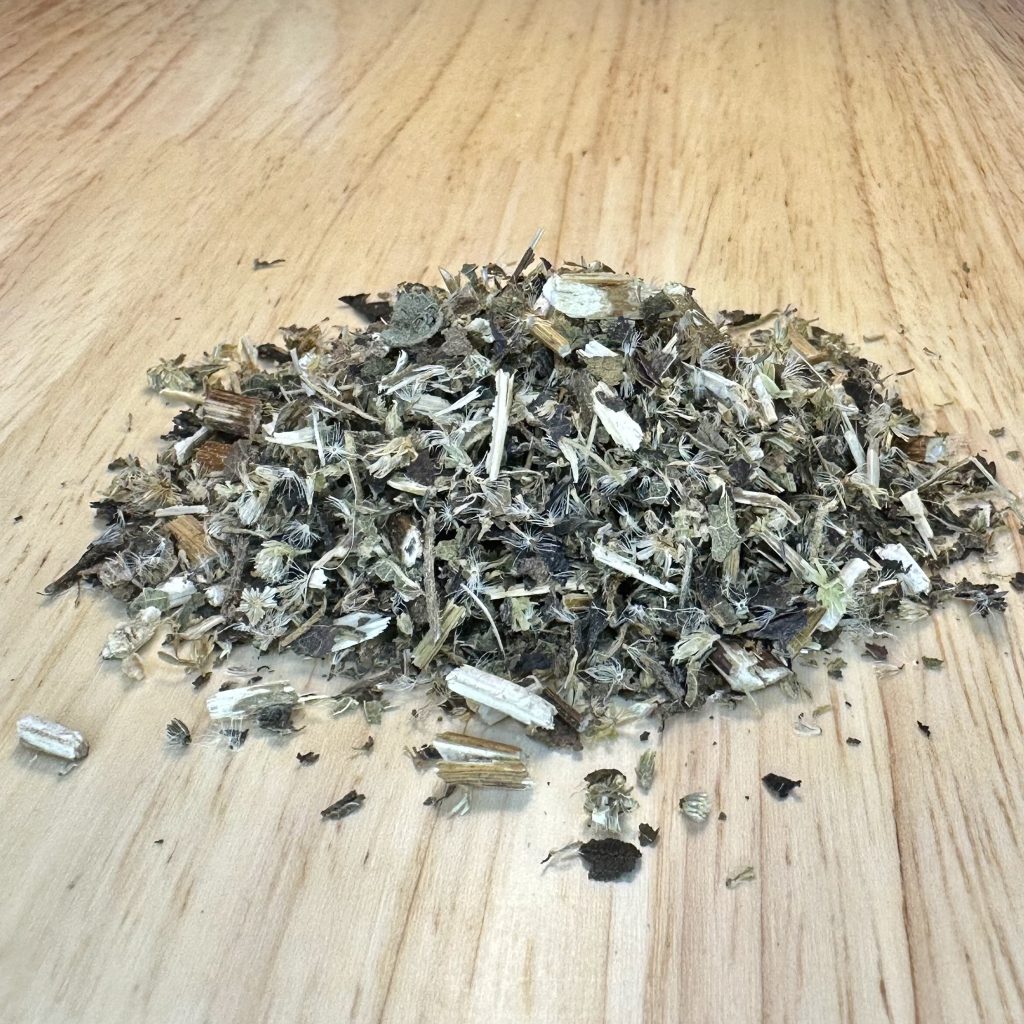
Boneset (Eupatorium perfoliatum)
Uses
Fever Reduction (Febrifuge):
Boneset is primarily known for its use in breaking fevers. Historically, it was used to promote sweating, helping the body cool down during high fevers caused by the flu, colds, or infections. Its diaphoretic action makes it highly effective for reducing body temperature naturally.
Treatment of Influenza and Cold Symptoms:
Traditionally, Boneset was a key herb in treating influenza and severe colds. It helps to alleviate body aches, chills, and congestion associated with these conditions. Native American tribes, particularly the Delaware and Iroquois, valued Boneset for its ability to relieve the “bone-breaking” pain that often accompanies these illnesses.
Digestive Support:
Boneset was also used as a mild laxative and digestive tonic. It helps relieve constipation and is thought to support the liver, promoting detoxification and improving overall digestive health.
Anti-inflammatory and Pain Relief:
Due to its anti-inflammatory properties, Boneset has traditionally been used to relieve rheumatic pains and other joint discomforts. It is particularly beneficial for treating inflammatory conditions that affect the bones, joints, and muscles.
Immune Support:
Boneset has historically been used to boost the immune system, particularly during viral infections. It helps to strengthen the body’s defenses, speeding recovery and preventing the recurrence of illness.
Learn More:
Want to explore more about energetics, history and more? Visit our Materia Medica section and search for this herb to deepen your understanding.
$7.20

Artisanal
Tinctures
Explore our range of handcrafted tinctures for holistic wellness.
Live Organic Milk Kefir Grains
PROBIOTICS & YEASTS
Kefir grains contain a diverse community of approximately 30–60 species of beneficial bacteria and yeasts, including Lactobacillus, Lactococcus, Streptococcus, and Saccharomyces species. These microorganisms produce enzymes and short-chain fatty acids that support digestion and metabolic health. They adhere to intestinal cells, strengthen the mucosal barrier, improve lactose digestion, and help regulate immune function.
ORGANIC ACIDS
During fermentation, kefir microbes produce organic acids—primarily lactic and acetic acid. These compounds lower gut pH, creating an environment that inhibits harmful and pathogenic bacteria. In combination with naturally occurring ethanol (trace amounts) and bacteriocins, they support a balanced and resilient gut ecosystem.
BIOACTIVE PEPTIDES
Milk proteins are broken down during fermentation into bioactive peptides. These compounds have demonstrated anti-inflammatory, antimicrobial, and immune-modulating effects. They help regulate inflammatory signaling and may reduce intestinal inflammation associated with chronic conditions.
KEFIRAN
Kefiran is a unique polysaccharide produced by kefir cultures that forms the structural matrix of the grains. It functions as a prebiotic, selectively feeding beneficial bacteria. Kefiran has antioxidant and anti-inflammatory properties and may enhance mucosal immunity by increasing secretory IgA.
CONTRAINDICATIONS & PRECAUTIONS
Kefir is generally well tolerated; however, use caution if you are:
• Pregnant or breastfeeding (limited research available) • Immunocompromised (live cultures may pose risk) • Sensitive to dairy or histamines
When first introducing kefir, mild symptoms such as bloating, cramping, or constipation may occur. Kefir contains trace amounts of naturally occurring alcohol due to fermentation; individuals taking medications such as disulfiram should avoid use. Consult a healthcare professional if you have underlying conditions or are on immunosuppressive therapy.
REFERENCES
- Prado MR, Blandón LM, Vandenberghe LPS, et al. Milk kefir: composition, microbial cultures, biological activities, and related products. Front Microbiol. 2015;6:1177.
- Bourrie BCT, Willing BP, Cotter PD. The microbiota and health promoting characteristics of the fermented beverage kefir. Front Microbiol. 2016;7:647.
- Leite AMO, Miguel MAL, Peixoto RS, et al. Microbiological, technological and therapeutic properties of kefir: a natural probiotic beverage. Braz J Microbiol. 2013;44(2):341-349.
- Rosa DD, Dias MMS, Grześkowiak ŁM, Reis SA, Conceição LL, Peluzio MDCG. Milk kefir: nutritional, microbiological and health benefits. Nutr Res Rev. 2017;30(1):82-96.
- Farnworth ER. Kefir – a complex probiotic. Food Sci Technol Bull Funct Foods. 2005;2(1):1-17.
- Fiorda FA, de Melo Pereira GV, Thomaz-Soccol V, Rakshit SK, Pagnoncelli MGB, Soccol CR. Microbiological, biochemical, and functional aspects of sugary kefir fermentation. Food Microbiol. 2017;66:86-95.
$10.00
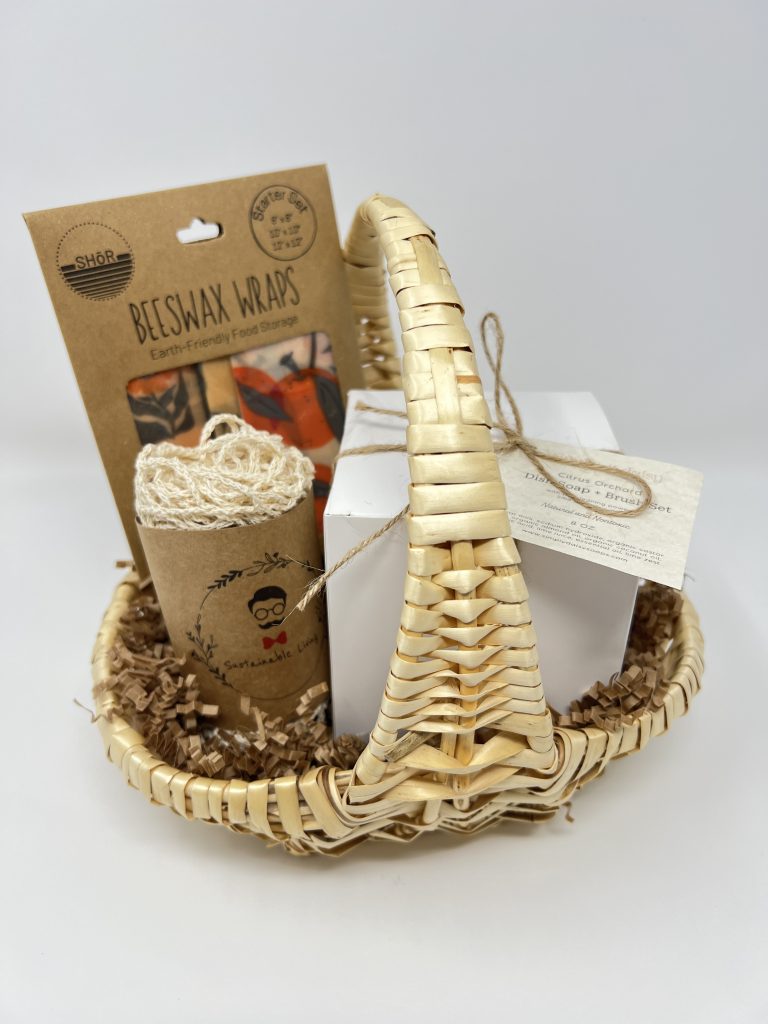
The Everyday Steward Gift Collection
The Everyday Steward honors the small, repeated actions that care for a home. This basket brings together reusable kitchen essentials—each chosen to replace single-use items with natural, functional alternatives that feel good to use.
With tools for cleaning, storing, and gathering food, this collection supports a mindful kitchen without excess or complication. It’s a steady, grounding gift for those who value simplicity, sustainability, and the beauty of well-used things.
Includes:
-
Oval Split White Willow Basket
-
Solid Dish Soap + Bamboo Dish Brush Set
-
Beeswax Wrap Starter Set
-
Reusable Organic Cotton Mesh Market Bag

The Finishing Touch Gift Collection
The Finishing Touch is a gift for those who appreciate how small details transform the everyday. This curated set brings together exceptional olive oil and balsamic, aromatic herb blends, a refined pour spout, and a luxurious truffle finishing salt—each chosen to layer flavor, texture, and intention into daily cooking.
Presented in a natural rattan tray, this collection encourages drizzling, dipping, and savoring with care. It’s equally at home on a kitchen counter, a dining table, or gifted to someone who finds joy in good food and simple rituals done well.
Includes:
-
Handwoven Rattan Tray
-
Terra Verde Extra Virgin Olive Oil (250 ml)
-
Fig Balsamic Vinegar (250 ml)
-
Garlic & Herb Dipping Spices
-
Italian Bread Dipping Spices
-
Gold Pour Spout
-
Black Truffle Finishing Salt
Price range: $6.25 through $21.50

Black Truffle Finishing Salt
This Black Truffle Finishing Salt blends delicate sea salt with the rich, earthy essence of real black truffles. Aromatic and deeply satisfying, just a light sprinkle is enough to transform everyday dishes into something indulgent and memorable.
Bold yet beautifully balanced, this finishing salt is meant to be used at the table or just before serving—where its flavor and aroma can truly shine. It’s one of those quiet pantry luxuries that turns simple meals into something special, again and again.
Flavor Profile & Uses
-
Savory, earthy, and aromatic
-
Rich black truffle depth with clean sea salt
-
Designed as a finishing salt
Excellent for:
-
Pasta and risotto
-
Roasted vegetables
-
Eggs and omelets
-
Popcorn
-
Steak and grilled meats
-
Finishing warm breads or potatoes
Ingredients
Sea salt, black truffles, truffle flavor
Dietary & Lifestyle Friendly
Non-GMO
No antibiotics
No added hormones
No nitrates or nitrites
No artificial sweeteners
No preservatives
Storage & Shelf Life
-
Shelf-stable
-
Store in a cool, dry place
-
Shelf life: 24–36 months
Details
-
Weight: 5.44 oz (154.22 g)
-
Made in: United States
-
Product language: English
Craft & Origin
Heirloom Spice Co.
Tempe, Arizona
Sustainability Notes
-
Thoughtfully sourced ingredients
-
Designed for long shelf life and intentional use
$12.00

Handcrafted
Salves
Discover our collection of artisanal salves for holistic healing.
Live Organic Milk Kefir Grains
PROBIOTICS & YEASTS
Kefir grains contain a diverse community of approximately 30–60 species of beneficial bacteria and yeasts, including Lactobacillus, Lactococcus, Streptococcus, and Saccharomyces species. These microorganisms produce enzymes and short-chain fatty acids that support digestion and metabolic health. They adhere to intestinal cells, strengthen the mucosal barrier, improve lactose digestion, and help regulate immune function.
ORGANIC ACIDS
During fermentation, kefir microbes produce organic acids—primarily lactic and acetic acid. These compounds lower gut pH, creating an environment that inhibits harmful and pathogenic bacteria. In combination with naturally occurring ethanol (trace amounts) and bacteriocins, they support a balanced and resilient gut ecosystem.
BIOACTIVE PEPTIDES
Milk proteins are broken down during fermentation into bioactive peptides. These compounds have demonstrated anti-inflammatory, antimicrobial, and immune-modulating effects. They help regulate inflammatory signaling and may reduce intestinal inflammation associated with chronic conditions.
KEFIRAN
Kefiran is a unique polysaccharide produced by kefir cultures that forms the structural matrix of the grains. It functions as a prebiotic, selectively feeding beneficial bacteria. Kefiran has antioxidant and anti-inflammatory properties and may enhance mucosal immunity by increasing secretory IgA.
CONTRAINDICATIONS & PRECAUTIONS
Kefir is generally well tolerated; however, use caution if you are:
• Pregnant or breastfeeding (limited research available) • Immunocompromised (live cultures may pose risk) • Sensitive to dairy or histamines
When first introducing kefir, mild symptoms such as bloating, cramping, or constipation may occur. Kefir contains trace amounts of naturally occurring alcohol due to fermentation; individuals taking medications such as disulfiram should avoid use. Consult a healthcare professional if you have underlying conditions or are on immunosuppressive therapy.
REFERENCES
- Prado MR, Blandón LM, Vandenberghe LPS, et al. Milk kefir: composition, microbial cultures, biological activities, and related products. Front Microbiol. 2015;6:1177.
- Bourrie BCT, Willing BP, Cotter PD. The microbiota and health promoting characteristics of the fermented beverage kefir. Front Microbiol. 2016;7:647.
- Leite AMO, Miguel MAL, Peixoto RS, et al. Microbiological, technological and therapeutic properties of kefir: a natural probiotic beverage. Braz J Microbiol. 2013;44(2):341-349.
- Rosa DD, Dias MMS, Grześkowiak ŁM, Reis SA, Conceição LL, Peluzio MDCG. Milk kefir: nutritional, microbiological and health benefits. Nutr Res Rev. 2017;30(1):82-96.
- Farnworth ER. Kefir – a complex probiotic. Food Sci Technol Bull Funct Foods. 2005;2(1):1-17.
- Fiorda FA, de Melo Pereira GV, Thomaz-Soccol V, Rakshit SK, Pagnoncelli MGB, Soccol CR. Microbiological, biochemical, and functional aspects of sugary kefir fermentation. Food Microbiol. 2017;66:86-95.
$10.00
The Everyday Steward Gift Collection
The Everyday Steward honors the small, repeated actions that care for a home. This basket brings together reusable kitchen essentials—each chosen to replace single-use items with natural, functional alternatives that feel good to use.
With tools for cleaning, storing, and gathering food, this collection supports a mindful kitchen without excess or complication. It’s a steady, grounding gift for those who value simplicity, sustainability, and the beauty of well-used things.
Includes:
-
Oval Split White Willow Basket
-
Solid Dish Soap + Bamboo Dish Brush Set
-
Beeswax Wrap Starter Set
-
Reusable Organic Cotton Mesh Market Bag
The Finishing Touch Gift Collection
The Finishing Touch is a gift for those who appreciate how small details transform the everyday. This curated set brings together exceptional olive oil and balsamic, aromatic herb blends, a refined pour spout, and a luxurious truffle finishing salt—each chosen to layer flavor, texture, and intention into daily cooking.
Presented in a natural rattan tray, this collection encourages drizzling, dipping, and savoring with care. It’s equally at home on a kitchen counter, a dining table, or gifted to someone who finds joy in good food and simple rituals done well.
Includes:
-
Handwoven Rattan Tray
-
Terra Verde Extra Virgin Olive Oil (250 ml)
-
Fig Balsamic Vinegar (250 ml)
-
Garlic & Herb Dipping Spices
-
Italian Bread Dipping Spices
-
Gold Pour Spout
-
Black Truffle Finishing Salt
Price range: $6.25 through $21.50
Black Truffle Finishing Salt
This Black Truffle Finishing Salt blends delicate sea salt with the rich, earthy essence of real black truffles. Aromatic and deeply satisfying, just a light sprinkle is enough to transform everyday dishes into something indulgent and memorable.
Bold yet beautifully balanced, this finishing salt is meant to be used at the table or just before serving—where its flavor and aroma can truly shine. It’s one of those quiet pantry luxuries that turns simple meals into something special, again and again.
Flavor Profile & Uses
-
Savory, earthy, and aromatic
-
Rich black truffle depth with clean sea salt
-
Designed as a finishing salt
Excellent for:
-
Pasta and risotto
-
Roasted vegetables
-
Eggs and omelets
-
Popcorn
-
Steak and grilled meats
-
Finishing warm breads or potatoes
Ingredients
Sea salt, black truffles, truffle flavor
Dietary & Lifestyle Friendly
Non-GMO
No antibiotics
No added hormones
No nitrates or nitrites
No artificial sweeteners
No preservatives
Storage & Shelf Life
-
Shelf-stable
-
Store in a cool, dry place
-
Shelf life: 24–36 months
Details
-
Weight: 5.44 oz (154.22 g)
-
Made in: United States
-
Product language: English
Craft & Origin
Heirloom Spice Co.
Tempe, Arizona
Sustainability Notes
-
Thoughtfully sourced ingredients
-
Designed for long shelf life and intentional use
$12.00

Natural
Supplements
Discover our range of natural supplements and body care products.
Live Organic Milk Kefir Grains
PROBIOTICS & YEASTS
Kefir grains contain a diverse community of approximately 30–60 species of beneficial bacteria and yeasts, including Lactobacillus, Lactococcus, Streptococcus, and Saccharomyces species. These microorganisms produce enzymes and short-chain fatty acids that support digestion and metabolic health. They adhere to intestinal cells, strengthen the mucosal barrier, improve lactose digestion, and help regulate immune function.
ORGANIC ACIDS
During fermentation, kefir microbes produce organic acids—primarily lactic and acetic acid. These compounds lower gut pH, creating an environment that inhibits harmful and pathogenic bacteria. In combination with naturally occurring ethanol (trace amounts) and bacteriocins, they support a balanced and resilient gut ecosystem.
BIOACTIVE PEPTIDES
Milk proteins are broken down during fermentation into bioactive peptides. These compounds have demonstrated anti-inflammatory, antimicrobial, and immune-modulating effects. They help regulate inflammatory signaling and may reduce intestinal inflammation associated with chronic conditions.
KEFIRAN
Kefiran is a unique polysaccharide produced by kefir cultures that forms the structural matrix of the grains. It functions as a prebiotic, selectively feeding beneficial bacteria. Kefiran has antioxidant and anti-inflammatory properties and may enhance mucosal immunity by increasing secretory IgA.
CONTRAINDICATIONS & PRECAUTIONS
Kefir is generally well tolerated; however, use caution if you are:
• Pregnant or breastfeeding (limited research available) • Immunocompromised (live cultures may pose risk) • Sensitive to dairy or histamines
When first introducing kefir, mild symptoms such as bloating, cramping, or constipation may occur. Kefir contains trace amounts of naturally occurring alcohol due to fermentation; individuals taking medications such as disulfiram should avoid use. Consult a healthcare professional if you have underlying conditions or are on immunosuppressive therapy.
REFERENCES
- Prado MR, Blandón LM, Vandenberghe LPS, et al. Milk kefir: composition, microbial cultures, biological activities, and related products. Front Microbiol. 2015;6:1177.
- Bourrie BCT, Willing BP, Cotter PD. The microbiota and health promoting characteristics of the fermented beverage kefir. Front Microbiol. 2016;7:647.
- Leite AMO, Miguel MAL, Peixoto RS, et al. Microbiological, technological and therapeutic properties of kefir: a natural probiotic beverage. Braz J Microbiol. 2013;44(2):341-349.
- Rosa DD, Dias MMS, Grześkowiak ŁM, Reis SA, Conceição LL, Peluzio MDCG. Milk kefir: nutritional, microbiological and health benefits. Nutr Res Rev. 2017;30(1):82-96.
- Farnworth ER. Kefir – a complex probiotic. Food Sci Technol Bull Funct Foods. 2005;2(1):1-17.
- Fiorda FA, de Melo Pereira GV, Thomaz-Soccol V, Rakshit SK, Pagnoncelli MGB, Soccol CR. Microbiological, biochemical, and functional aspects of sugary kefir fermentation. Food Microbiol. 2017;66:86-95.
$10.00
The Everyday Steward Gift Collection
The Everyday Steward honors the small, repeated actions that care for a home. This basket brings together reusable kitchen essentials—each chosen to replace single-use items with natural, functional alternatives that feel good to use.
With tools for cleaning, storing, and gathering food, this collection supports a mindful kitchen without excess or complication. It’s a steady, grounding gift for those who value simplicity, sustainability, and the beauty of well-used things.
Includes:
-
Oval Split White Willow Basket
-
Solid Dish Soap + Bamboo Dish Brush Set
-
Beeswax Wrap Starter Set
-
Reusable Organic Cotton Mesh Market Bag
The Finishing Touch Gift Collection
The Finishing Touch is a gift for those who appreciate how small details transform the everyday. This curated set brings together exceptional olive oil and balsamic, aromatic herb blends, a refined pour spout, and a luxurious truffle finishing salt—each chosen to layer flavor, texture, and intention into daily cooking.
Presented in a natural rattan tray, this collection encourages drizzling, dipping, and savoring with care. It’s equally at home on a kitchen counter, a dining table, or gifted to someone who finds joy in good food and simple rituals done well.
Includes:
-
Handwoven Rattan Tray
-
Terra Verde Extra Virgin Olive Oil (250 ml)
-
Fig Balsamic Vinegar (250 ml)
-
Garlic & Herb Dipping Spices
-
Italian Bread Dipping Spices
-
Gold Pour Spout
-
Black Truffle Finishing Salt
Price range: $6.25 through $21.50
Black Truffle Finishing Salt
This Black Truffle Finishing Salt blends delicate sea salt with the rich, earthy essence of real black truffles. Aromatic and deeply satisfying, just a light sprinkle is enough to transform everyday dishes into something indulgent and memorable.
Bold yet beautifully balanced, this finishing salt is meant to be used at the table or just before serving—where its flavor and aroma can truly shine. It’s one of those quiet pantry luxuries that turns simple meals into something special, again and again.
Flavor Profile & Uses
-
Savory, earthy, and aromatic
-
Rich black truffle depth with clean sea salt
-
Designed as a finishing salt
Excellent for:
-
Pasta and risotto
-
Roasted vegetables
-
Eggs and omelets
-
Popcorn
-
Steak and grilled meats
-
Finishing warm breads or potatoes
Ingredients
Sea salt, black truffles, truffle flavor
Dietary & Lifestyle Friendly
Non-GMO
No antibiotics
No added hormones
No nitrates or nitrites
No artificial sweeteners
No preservatives
Storage & Shelf Life
-
Shelf-stable
-
Store in a cool, dry place
-
Shelf life: 24–36 months
Details
-
Weight: 5.44 oz (154.22 g)
-
Made in: United States
-
Product language: English
Craft & Origin
Heirloom Spice Co.
Tempe, Arizona
Sustainability Notes
-
Thoughtfully sourced ingredients
-
Designed for long shelf life and intentional use
$12.00

Gold Pour Spout
The Gold Pour Spout brings quiet refinement and everyday practicality to oil, vinegar, and condiment bottles. Designed for smooth, controlled pouring, it helps reduce drips and mess while making even the simplest bottle feel intentional and well-considered.
With a polished gold finish and durable construction, this spout elevates pantry staples into something gift-worthy—perfect for pairing with olive oils, balsamic vinegars, or infused oils. Sold individually, it’s a small addition that makes a noticeable difference in daily use.
Features & Uses
-
Clean, controlled pour with smooth flow
-
Helps prevent drips and spills
-
Ideal for:
-
Olive oil
-
Balsamic vinegar
-
Infused oils
-
$10.00

Garlic & Herb Dipping Spices
This Garlic & Herb Dipping Spices blend brings together bold garlic and classic herbs designed to be enjoyed simply and often. When mixed with extra virgin olive oil and a small amount of water, it creates a rich, savory dip that’s perfect for bread, vegetables, or spooning over finished dishes.
Aromatic and deeply satisfying without being overpowering, this blend supports slow meals, shared plates, and easy weeknight cooking. It pairs beautifully with high-quality olive oil and works just as well as a finishing sauce for pasta, bruschetta, or roasted meats and vegetables.
Flavor Profile & Uses
Savory, garlic-forward herb blend
Aromatic and well balanced
Designed for olive oil dipping
Excellent for:
-
Bread dipping
-
Drizzling over roasted vegetables
-
Finishing pasta or grains
-
Mixing into marinades or dressings
-
Seasoning chicken, beef, pork, or lamb
Dietary & Lifestyle Friendly
Alcohol-free
Dairy-free
Gluten-free
Grain-free
Nut-free
Soy-free
Sugar-free
Vegan
Low sodium
No antibiotics
No added hormones
No nitrates or nitrites
No artificial sweeteners
No preservatives
How to Use
Combine 1–2 teaspoons of the spice blend with a small amount of water and 2–3 tablespoons of extra virgin or infused olive oil. Stir and allow to rest briefly so the herbs can bloom.
Optional additions:
-
A splash of balsamic vinegar
-
Grated parmesan or pecorino
-
A pinch of crushed red pepper
Ingredients
Garlic, sea salt, salt flakes, basil, pepper, spices, oregano, shallots
Storage & Shelf Life
Store in a cool, dry place
Keep sealed between uses
Shelf-stable with a shelf life of 6–12 months
Details
Use: Culinary seasoning / bread dipping blend
Form: Dried herb and spice blend
Sustainability Notes
Plastic-free product
Recyclable packaging
Ethically sourced ingredients
$6.25